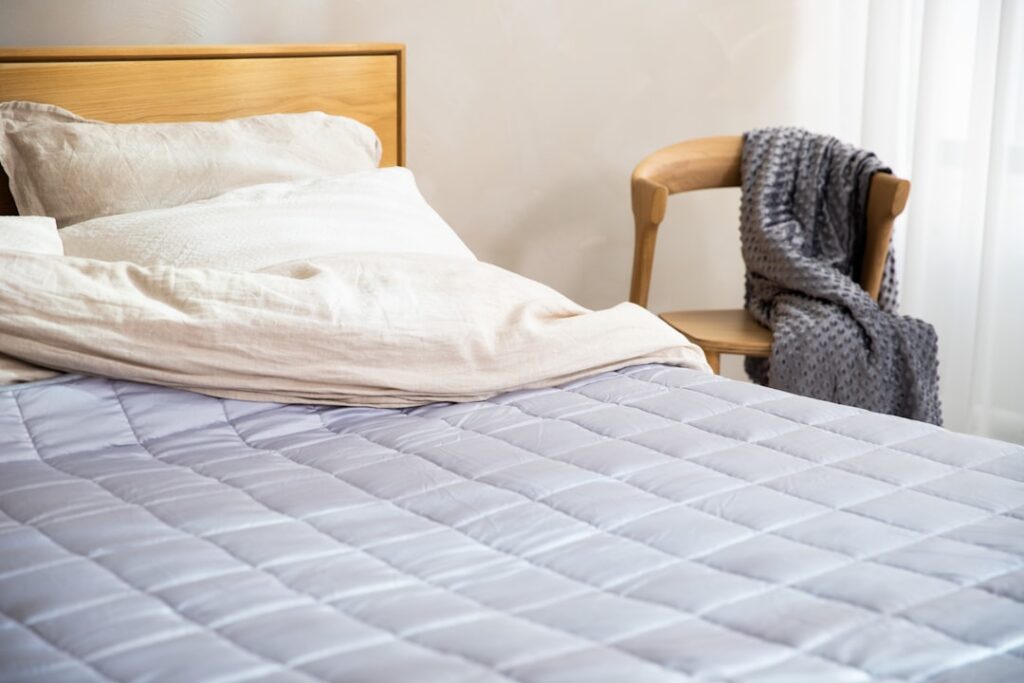
A cold bed on a January night is one of those small miseries that never quite gets easier to tolerate. An electric mattress pad queen size solves it by warming the sleeping surface from underneath rather than trapping heat above you like a heavy comforter. Because the heat sits below your body, it feels more even and it lets you turn the thermostat down a few degrees, which quietly trims your winter heating bill.
Choosing the right one is not just a matter of grabbing the cheapest option on the shelf. Wattage, zone control, cord placement, machine washability, and safety certifications all shape how satisfied you will be a year from now. This guide walks through everything that actually matters for a queen-size heated pad.
- How an Electric Mattress Pad Differs From a Heated Blanket
- Dual-Zone Control Is Worth It on a Queen
- Understanding Watts and Heat Output
- Safety Features to Insist On
- Materials, Feel, and Thickness
- Fit, Skirt Depth, and Cord Length
- Price Ranges: What You Get at Each Tier
- Care and Washing
- Frequently Asked Questions
- The Bottom Line
How an Electric Mattress Pad Differs From a Heated Blanket
People use the terms loosely, but the products are not the same. A heated blanket lies on top of you, so much of its warmth escapes into the room. A mattress pad sits under the fitted sheet, directly beneath your body, so the heat radiates upward into you and the mattress. The result is a warmer core temperature using less electricity.
Pads also stay put. A blanket slides off in the night; a pad is anchored by elastic skirt corners or straps, so the heating wires keep their position and warm the areas you expect. For anyone with cold feet, poor circulation, or achy joints in the morning, an under-body pad usually beats a top blanket for consistent comfort.
Dual-Zone Control Is Worth It on a Queen
A queen bed is 60 inches wide, and two sleepers rarely agree on temperature. Look for a model with dual-zone controllers, meaning a separate dial or app control for each side. One person can run their side on level 3 while the other runs level 8, and neither compromises.
Single-zone queen pads exist and cost less, but if you share the bed, dual controls are the single upgrade most owners say they would never give up. Preheat is another feature worth having: it blasts the pad to full heat for 10 to 30 minutes so the bed is warm by the time you climb in, then settles to your chosen level.
Understanding Watts and Heat Output
Wattage tells you how quickly and how intensely the pad heats. A queen electric mattress pad typically draws somewhere between 100 and 180 watts total across both zones. Higher wattage warms faster and reaches a higher ceiling temperature, which matters if your bedroom drops into the 50s.
Running cost is modest. At 150 watts and roughly 15 cents per kilowatt-hour, running the pad for eight hours costs about 18 cents a night, or a little over five dollars a month. Most pads also auto-lower after they reach the set temperature, so real-world consumption is lower than the peak rating suggests.
Safety Features to Insist On
Because this is a heating element you sleep on, safety is not optional. Prioritize these features:
- UL or ETL certification. An independent lab has tested the product against fire and shock standards. Never buy an uncertified heated pad.
- Auto shut-off timer. The pad powers down after 8, 10, or 12 hours so it cannot run indefinitely if you forget.
- Overheat protection. Sensors woven along the wires cut power to any spot that gets too hot, guarding against hot spots from a folded corner.
- Low-EMF wiring. Some brands shield the wires to reduce electromagnetic field exposure, a selling point for cautious buyers.
Do not use an electric mattress pad on an adjustable base with sharp bend points unless the maker approves it, and never fold or bunch the pad while it is running. Both create pressure on the wires that can lead to premature failure.
Materials, Feel, and Thickness
The surface you feel through your sheet varies a lot. Basic pads use a thin polyester quilt; premium versions add plush cotton, microplush, or a quilted fiberfill top that adds cushioning as well as warmth. If you want the pad to double as a comfort layer, choose one with at least a modest fiberfill loft rather than a paper-thin panel.
The heating wires themselves have gotten thinner over the years. Better pads use micro-thin, flexible wiring you genuinely cannot feel through the quilting. Cheaper ones can leave you aware of the wire grid, which some sleepers find distracting.
Fit, Skirt Depth, and Cord Length
A queen pad should have a fitted skirt deep enough for your mattress. Standard skirts stretch to fit 14- to 16-inch mattresses; if you own a pillow-top or a mattress plus topper stacking over 16 inches, confirm the skirt depth before buying or it will pop off the corners.
Check the cord routing too. The controllers connect at the foot or the sides, and the cord needs to reach an outlet. Measure the gap from your mattress corner to the nearest receptacle. Some kits include a 6- to 8-foot cord; a bed floating away from the wall may need an extension rated for the load.
Price Ranges: What You Get at Each Tier
Queen electric mattress pads span a wide range, and the tiers are fairly predictable.
- $40 to $70: Entry level. Often single-zone, thinner quilting, basic 10-hour timer. Fine for a guest room or occasional use.
- $70 to $130: The sweet spot. Dual-zone control, preheat, plush top, deep-pocket skirt, low-EMF wiring. This is where most shoppers should land.
- $130 to $220: Premium. App or voice control, 10-plus heat levels per side, heavier fiberfill, longer warranties, and refined controllers.
Spending in the middle tier gets you the features that matter most without paying for smart-home extras you may never use.
Care and Washing
Nearly all modern pads are machine washable, but the wiring is not indestructible. Disconnect the controllers first, wash on a gentle cold or warm cycle, and never dry-clean, wring, or iron the pad. Tumble dry on low for only a few minutes, then air-dry the rest of the way to protect the wires. Store it loosely rolled, never sharply folded, during the summer months.
Frequently Asked Questions
Is an electric mattress pad queen safe to leave on all night?
Yes, if it is UL or ETL certified and has auto shut-off. The timer powers it down after a set number of hours, and overheat sensors guard against hot spots. Older, uncertified pads are the ones associated with fire risk.
Can I put a mattress topper over the heated pad?
A thin topper is fine, but a thick memory-foam topper on top of the pad will block heat from reaching you. If you use a topper, place the electric pad above it and directly under your fitted sheet for the best warmth transfer.
Does it work with an adjustable bed?
Many do, but check the label. Repeated sharp bending stresses the wires, so the maker should specifically state adjustable-base compatibility before you trust it on a bed that folds.
How long do they last?
A quality queen pad used seasonally lasts about five to eight years. Washing it gently, avoiding tight folds, and unplugging it in warm months all extend its life considerably.
The Bottom Line
For a shared queen bed, buy a certified, dual-zone pad with preheat and a deep-pocket skirt in the $70 to $130 range. That combination delivers even warmth, independent side control, and the safety features you need for something you sleep on all winter. Skip the uncertified bargains, measure your mattress depth first, and treat the wiring gently, and a good heated pad will pay for itself in comfort and lower thermostat settings for years.