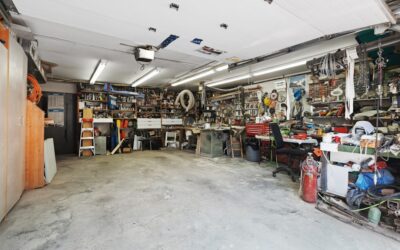
South African homeowners and businesses have driven a major shift toward epoxy systems over the past decade — driven by humid coastal conditions, garage-to-living-space conversions, and the growing food and pharmaceutical industries that demand seamless hygienic floors. Epoxy flooring South Africa markets now offer everything from R150-per-square-meter DIY garage kits to R2,000-per-square-meter industrial systems with chemical resistance certifications. This guide explains the system types, pricing in ZAR, what separates reputable installers from problem shops, and the climate considerations that matter from Cape Town to Johannesburg.
The Main Types of Epoxy Systems
Not all epoxy is the same. Understanding the system categories prevents overpaying for capabilities you don’t need or underspecifying for the conditions you’ll face.
- Solvent-based epoxy: Older formulation with strong odors during cure. Mostly phased out for residential use due to VOC concerns.
- Water-based epoxy: Lower VOCs, easier DIY application, thinner film build. Suitable for low-traffic residential garages and laundries.
- 100% solids epoxy: The current professional standard. No solvents, thicker mil build (typically 350 to 1,500 microns), excellent chemical and abrasion resistance.
- Polyaspartic and polyurea systems: Faster cure (often same-day return to service), UV-stable, premium pricing. Increasingly popular for commercial and high-end residential installs.
- Self-leveling epoxy: Used for industrial applications requiring perfectly flat surfaces over uneven concrete substrates.
Common Applications Across South Africa
Epoxy serves dramatically different markets in residential and commercial contexts:
- Residential garages: Decorative chip systems with anti-slip aggregate. Most common installation.
- Open-plan living conversions: Polished epoxy with metallic pigments for designer looks at lower cost than stone.
- Restaurants and food processing: Antimicrobial systems with cove bases for hygienic compliance.
- Warehouses and factories: Heavy-duty chemical-resistant systems rated for forklift traffic.
- Pharmaceutical and laboratories: ESD-dissipative epoxy for static control and contamination prevention.
- Pool decks and patios: UV-stable polyaspartic with anti-slip texture.
Pricing in ZAR
Prices vary by region, with Gauteng and Western Cape generally 10% to 20% higher than KwaZulu-Natal or Eastern Cape due to material logistics. Indicative ranges as of 2026:
- Basic water-based residential garage system: R150 to R350 per square meter installed
- Decorative chip flake system: R450 to R750 per square meter installed
- Metallic pigment epoxy: R650 to R1,200 per square meter installed
- Polyaspartic premium residential: R900 to R1,800 per square meter installed
- Industrial 100% solids system: R800 to R2,000 per square meter installed
- Self-leveling industrial epoxy: R1,500 to R3,500 per square meter installed
DIY garage kits run R2,500 to R6,000 for a standard double garage of about 36 square meters in materials only. Add tools and the prep equipment and total DIY cost ranges R3,500 to R8,500.
Climate and Substrate Considerations
South African conditions create specific challenges for epoxy installations:
- Coastal humidity (Durban, Cape Town): Concrete moisture levels often exceed 4% — installers must perform calcium chloride or RH probe testing before application.
- Highveld temperature swings (Johannesburg, Pretoria): Day-night temperature differences of 20°C cause concrete movement; epoxy systems should include flexible primer layers.
- UV exposure (Northern Cape, Free State): Standard epoxy yellows in direct sun; outdoor or sun-exposed installations need polyaspartic or UV-stable topcoats.
- Existing concrete condition: Older South African slabs often lack vapor barriers, meaning rising damp can blister an unprotected epoxy floor within months.
The Installation Process
A proper professional installation takes 2 to 4 days depending on system and surface area:
- Surface preparation: Diamond grinding or shot blasting opens the concrete pores. This step alone determines 80% of the floor’s lifespan.
- Crack and joint repair: All cracks wider than 1 mm are V-cut and filled with epoxy mortar.
- Primer application: Penetrating primer seals the concrete and creates the bond layer.
- Base coat: Pigmented epoxy laid at the specified thickness using rollers or squeegees.
- Decorative elements: Chips, flakes, or metallic pigments broadcast or swirled while wet.
- Topcoat: Clear protective layer providing chemical, abrasion, and UV resistance.
- Cure time: Light foot traffic typically 24 hours, full cure and vehicle traffic 5 to 7 days.
Choosing a Reputable Installer
The South African epoxy market has plenty of fly-by-night operators. Filter applicants with these checks:
- Membership in CFASA (Concrete Flooring Association of South Africa) or equivalent industry body
- Minimum 5 years of trading history under the same business name
- Manufacturer training certificates from major brands (Sika, Mapei, Flowcrete, ChemMate)
- Portfolio of completed projects you can physically inspect
- Detailed written quotation specifying mil thickness, system layers, and cure times
- Warranty of at least 2 years on workmanship and 5 years on material defects
Avoid quotes that don’t specify the system manufacturer or that price significantly below market — cheap installations almost always cut corners on surface prep, which causes the floor to fail within 12 to 24 months.
DIY Considerations
Water-based residential garage kits are achievable for handy DIYers, but realistic expectations matter. Surface preparation is the hard part — without a diamond grinder rental (R800 to R1,500 per day from rental shops) the bond will fail. Acid etching with hydrochloric acid is the budget alternative but produces inconsistent results.
Plan a full weekend with one day for prep (grinding, cleaning, repairs) and one day for application. Temperatures should stay between 10°C and 30°C throughout cure. Avoid summer applications in coastal regions where humidity exceeds 70%.
Maintenance and Lifespan
A properly installed epoxy floor in a residential garage lasts 10 to 20 years before needing recoating. Industrial floors with heavy traffic may need a topcoat refresh every 5 to 8 years.
Routine maintenance: sweep weekly, mop with pH-neutral cleaner monthly, immediately wipe spills of oil, brake fluid, or harsh chemicals. Avoid abrasive cleaners and wire brushes — they scratch the topcoat and create entry points for damage.
Pros and Cons Summary
Pros: Seamless and easy to clean, customizable colors and finishes, chemical and abrasion resistant, increases property value, lifespan of 10+ years on quality installs.
Cons: Long installation time (cure days when space is unusable), cold and hard underfoot, can yellow under UV without proper topcoat, expensive to remove or change once installed, surface prep failures cause expensive failures.
Final Thoughts
The South African epoxy market has matured significantly in the past decade, with quality manufacturers, trained installers, and a wide range of systems now available across all major centres. The most important decision is matching the system to your actual conditions and getting the surface prep right — those two factors determine whether your floor lasts two years or twenty.