Most homeowners who ask for “dark wood” end up with espresso kitchen cabinets and they rarely regret it. Unlike true black, espresso carries warm brown undertones that photograph beautifully under 3000K kitchen lighting and hide everyday fingerprints far better than high-gloss ebony finishes. The stain sits somewhere between a dark walnut and a near-black chocolate, and it has been one of the top three cabinet colors sold in America since 2012. Here is what you actually need to know before pulling the trigger.
What Exactly Is an Espresso Finish?
Espresso is a stain color, not a wood species. Manufacturers apply it over maple, birch, oak, or occasionally cherry, and the undertones shift depending on the base. On maple you get a smooth, near-opaque dark brown. On oak, you see the grain pattern cutting through, which reads as more rustic. Cherry takes the stain unevenly but develops a reddish warmth after about a year of sun exposure.
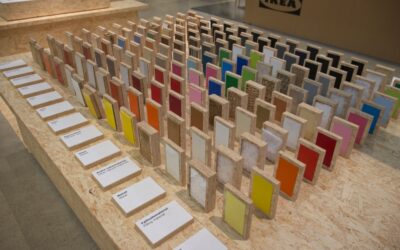
Home Depot, Lowe’s, and IKEA all sell espresso lines under different trade names like Java, Mocha, Truffle, and Dark Chocolate. Always request a finish sample and hold it against your floor and countertop under both daylight and your evening bulbs before committing.
Best Countertops to Pair With Espresso
Dark cabinets need bright counters or the room collapses into a cave. Three combinations consistently work across thousands of remodels.
- White quartz ($55-$85 per sq ft installed) — Calacatta or Carrara-look quartz creates the highest contrast and keeps resale value strong
- Light granite ($45-$75 per sq ft) — Colonial White or Alaska White granite adds subtle veining without competing with the cabinet grain
- Cream butcher block ($25-$55 per sq ft) — warms the space up if you want farmhouse rather than modern
Avoid black, dark gray, or heavy-veined counters. The whole kitchen turns into one flat dark mass and buyers consistently rank it lowest in appraiser aesthetic surveys.
Flooring That Works Underneath
Espresso cabinets dominate visually, so the floor should recede. Mid-tone hickory, natural white oak, and light gray luxury vinyl plank all perform well. Stay at least two shades lighter than the cabinets, and avoid matching the exact espresso tone on the floor. Matching creates a tunnel effect and makes the kitchen feel smaller than it actually is.
Lighting Requirements
A kitchen with espresso kitchen cabinets typically needs 30-40% more lumens than the same room with white cabinets. Plan for three lighting layers:
- Recessed cans at roughly 4 feet on center, 800-1000 lumens each
- Under-cabinet LED strips rated 3000K, minimum 300 lumens per linear foot
- Pendants or a chandelier over the island to break up the dark mass
Skip the 2700K warm white bulbs many builders default to. They push espresso toward muddy red. Stick with 3000K to 3500K.
Hardware Choices
Brushed nickel reads dated against espresso in 2026. Current top sellers are matte black (paradoxically disappearing into the finish for a minimalist look), polished nickel, unlacquered brass, and oil-rubbed bronze. Pull length matters — 5 inch pulls look undersized on 24 inch drawer fronts. Scale your pulls to roughly one-third of the drawer width.
Expected Lifespan and Maintenance
A quality espresso finish from Kraftmaid, Shiloh, or similar mid-range manufacturers lasts 15-20 years before the finish dulls. Cheaper stock cabinets from big-box stores often show white scratches along edges within five years because the core is MDF painted dark rather than stained wood. Ask specifically whether the finish is a conversion varnish or a cheaper lacquer — the conversion varnish costs about 15% more upfront and pays for itself twice over.
Clean with a microfiber cloth and a 50/50 mix of water and white vinegar. Never use Pledge or orange-oil cleaners. They build up over time and leave hazy rings that are almost impossible to remove without a full refinish.
Realistic Cost Expectations
For a standard 10-by-10 kitchen layout, stock espresso cabinets run $4,500-$7,500, semi-custom lands at $9,000-$15,000, and full custom starts around $18,000. Add roughly $1,200 for soft-close hardware if it is not already included, and another $800-$1,500 for crown molding installation.
When to Skip Espresso
If your kitchen has one small window and faces north, or if you cook daily and generate heavy grease splatter, consider a lighter alternative. Grease shows up as dull patches on dark finishes within months. Medium-tone walnut or a painted greige cabinet gives you the warmth without the visibility problem.
Frequently Asked Questions
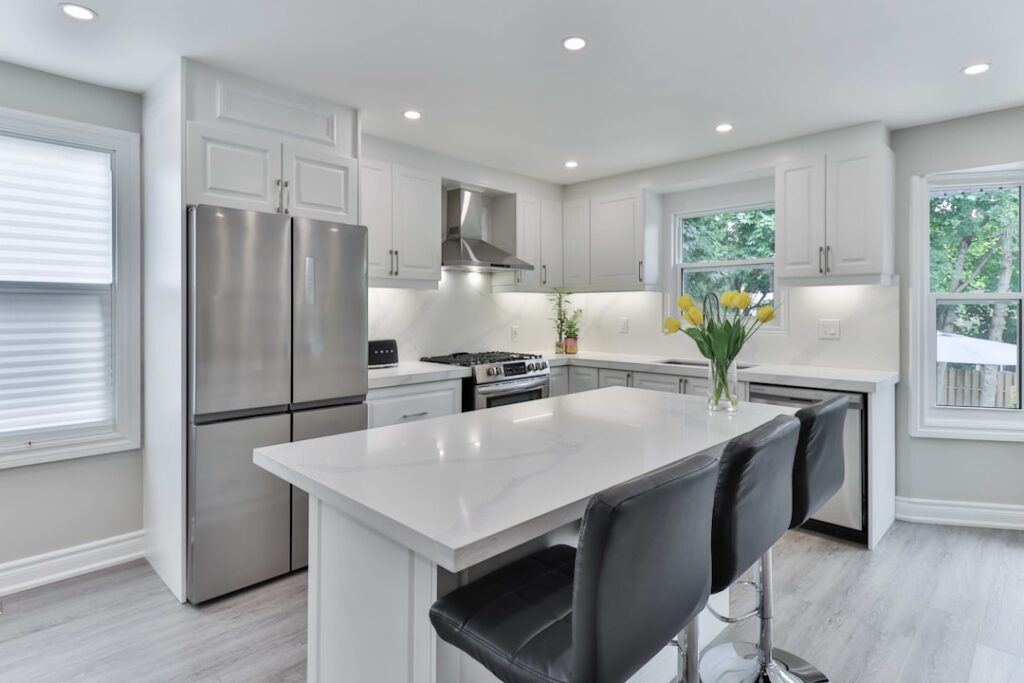
Do espresso cabinets make a small kitchen look smaller? Only if you pair them with dark counters and dark floors. With a white quartz countertop, light gray or natural oak flooring, and 3000K lighting, a 10-by-10 galley kitchen reads as intimate rather than cramped. The dark lowers actually recede visually when you balance them with a light upper half of the room — painted white upper cabinets or open shelving with white tile backsplash.
Can I repaint espresso cabinets white later? Yes, but expect a three-weekend project. Dark stains bleed through fewer than three coats of paint, so you need Zinsser BIN shellac-based primer (about $22 per quart), two coats of cabinet enamel like Benjamin Moore Advance ($55 per gallon), and a full degloss with TSP first. DIY cost lands near $350 in materials for an average kitchen. Professional refinishing runs $2,500-$4,500.
What sheen level works best for the cabinet finish? Satin or semi-gloss. Matte finishes on espresso show every fingerprint and smudge. Semi-gloss cleans easily but shows brushstrokes on any touch-ups. Satin is the practical middle ground and what 80% of cabinet shops default to when you order.
Wall Colors That Pair Well
Espresso cabinets need wall paint that pushes the room brighter, not darker. Four colors consistently photograph well and test high with appraisers: Benjamin Moore White Dove (OC-17) at $55 per gallon, Sherwin-Williams Accessible Beige (SW 7036), Benjamin Moore Revere Pewter (HC-172) for a slightly moodier warm gray, and Farrow & Ball Skimming Stone for a softer off-white. Avoid pure cool whites like Extra White — they read blue against the brown cabinet undertones and create visual conflict.