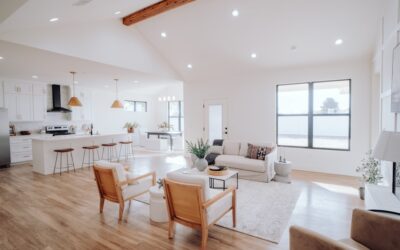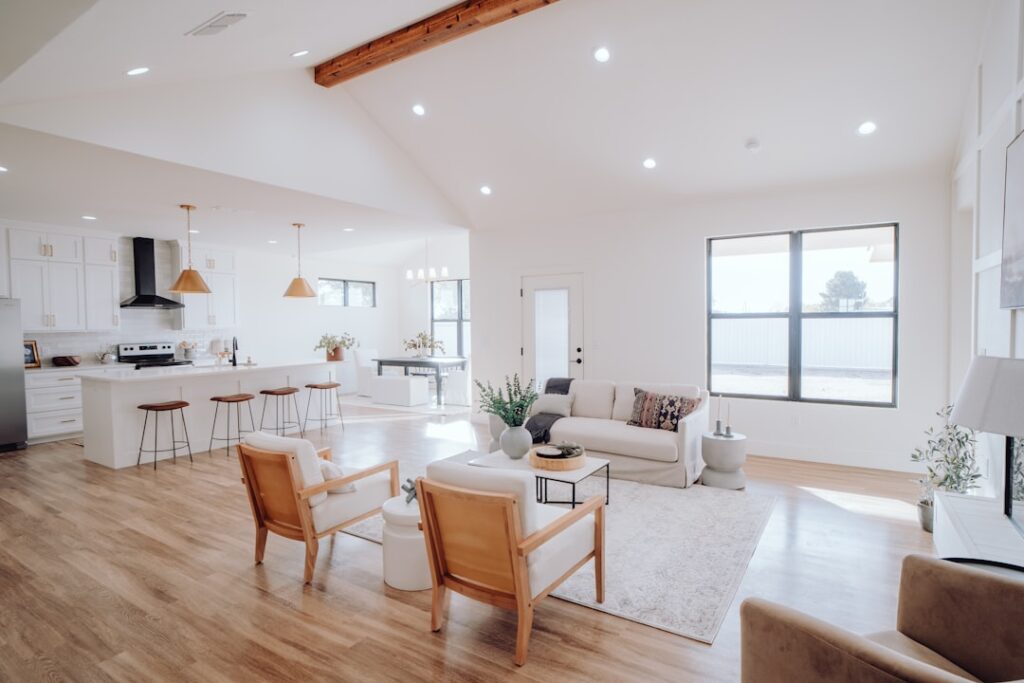
Walk into a regional flooring outlet in the Midwest or Southeast and you will see Evolution boxes stacked between Shaw and Mohawk. The brand is not a household name like Pergo, but it has quietly built a reputation among contractors who want a private-label SPC and WPC line at price points that beat the big brands by 15 to 25 percent. Evolution flooring sits in the value-engineered tier — better than no-name imports, not quite at the premium feel of Mohawk RevWood or COREtec Pro Plus. For the right project, the math works.
What Evolution Actually Sells
The Evolution name appears on rigid-core SPC luxury vinyl plank, WPC vinyl, traditional laminate at 8 mm and 12 mm, and a budget engineered hardwood line. The product is manufactured overseas — primarily in China and Vietnam — and imported by US distributors who sell through independent flooring retailers rather than big-box stores. That distribution model is why pricing varies regionally.
Plank dimensions across the LVP lines run 7 inches wide by 48 to 60 inches long, with thickness from 5 mm to 8 mm including the attached IXPE underlayment pad. Wear layers vary from 12 mil on the entry tier to 22 mil on the commercial grade.
The Pros That Drive Sales
Price-to-spec ratio is the headline. An Evolution SPC plank with a 20-mil wear layer runs $2.50 to $3.50 per sq ft. The equivalent Mohawk SolidTech or Shaw Floorte Pro lands at $3.50 to $4.50. For a 1,500 sq ft project, that delta is $1,500 in your pocket — enough to upgrade the underlayment or add a backsplash.
Visuals have improved dramatically. The 2024 and 2025 Evolution collections use 8-pass digital printing and embossed-in-register (EIR) texture that follows the printed grain. From four feet away, the better lines pass for real wood. Common decors include weathered oak, hickory, walnut, and a handful of stone-look porcelain visuals.
The click-lock joint on Evolution SPC is licensed from Unilin or Välinge depending on the line, so installation matches the major brands. Tap blocks fit standard, joints lock cleanly, and a competent DIYer can floor a 12-by-15 room in a weekend.
The Cons to Know
Warranty support is the soft spot. Evolution offers a “lifetime residential” warranty on most rigid-core lines, but claims must go through the original retailer, not direct to the manufacturer. If that retailer closes — which happens with independent stores — your warranty effectively vanishes. Keep your receipt and lot numbers, and document the install with photos.
Color consistency between production runs is hit or miss. Buy 10 percent overage from the same lot, because matching across lots two years later for repairs is rarely successful.
The lower tier (12-mil wear layer at $2 per sq ft) does not hold up to dog claws, dragged furniture, or sand. Skip it for the mid-tier 20-mil minimum if you have any of those.
Wear Layer and What It Means
Wear layer is the clear urethane top coat that protects the printed visual from scratches and stains. Thickness is measured in mils (thousandths of an inch). Evolution’s tiers map cleanly:
- 12 mil — light residential, bedrooms only, 10-year wear warranty
- 20 mil — full residential, kitchens and hallways, lifetime residential
- 22 mil — light commercial, rentals and offices, 10-year commercial
For a single-family home with kids or pets, 20 mil is the floor (literal and figurative). The price jump from 12 to 20 is roughly $0.75 per sq ft and pays for itself in year three.
Installation Method
Evolution SPC and WPC install as a floating floor over almost any flat substrate. Acclimate boxes 48 hours at 65 to 85 degrees Fahrenheit. Maximum subfloor flatness tolerance is 3/16 inch over 10 feet — flatter than required for laminate. Concrete subfloors need an ASTM F1869 calcium chloride test or F2170 RH probe to confirm moisture below 5 lbs per 1,000 sq ft per 24 hours or 75 percent RH.
Expansion gaps of 1/4 inch are required at every wall and vertical obstacle. For rooms longer than 30 feet or wider than 25 feet, transition strips are recommended at room thresholds. Skipping these on long open-concept layouts is the most common installation failure.
Evolution vs Major Brands
Versus Mohawk SolidTech, Evolution sells for less but feels marginally softer underfoot due to a less dense SPC core. Versus Shaw Floorte, the visual quality is comparable on the top Evolution tier. Versus COREtec, Evolution lacks the cork-backed acoustic layer that gives COREtec its quieter footfall but saves you $1 to $2 per sq ft.
The honest comparison: Evolution is a smart pick for landlords, second homes, basement remodels, and budget-conscious primary residences. For premium new construction or houses you plan to keep 20+ years, the major brands’ warranty network is worth the upcharge.
Maintenance
Vacuum or dust mop weekly with a soft-head attachment. Damp mop monthly with a pH-neutral cleaner like Bona Pro Series Hard-Surface Floor Cleaner. Avoid steam mops — the heat degrades the wear layer over time and can void warranty. Furniture sliders or felt pads under every leg. Area rugs at entryways to catch grit before it reaches the wear layer.
Plank Format Options
Evolution’s standard plank runs 7 inches wide by 48 inches long across most collections, with the wider Heritage line stretching to 9 inches by 60 inches. The wider format reduces visible joints in open-concept spaces by roughly 30 percent — a meaningful upgrade in living rooms and great rooms longer than 20 feet. Tile-look SKUs come in 12 inches by 24 inches and 18 inches by 24 inches formats, useful for kitchen and bath visuals where the rectangular plank format reads off.
Bottom Line on Evolution Flooring
Evolution flooring delivers solid mid-tier rigid-core LVP at prices 15 to 25 percent below the major brands. The visual and click-lock quality on the 20-mil and 22-mil tiers is genuinely competitive. The compromise is warranty support tied to retailer health and slightly softer underfoot feel. Match the product to the project, buy from a retailer that has been in business 10+ years, and you get a floor that wears beautifully without paying for marketing.
Prefer to explore on your own?
See how new flooring looks in your actual room in seconds — free, no signup.
Try the free Floor Studio →