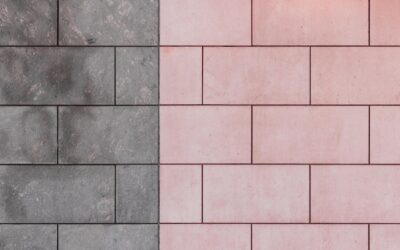
The stone that looks stunning on a kitchen floor can crack, spall, and turn dangerously slick the first winter it spends outdoors. Choosing exterior stone tile is a different game from picking indoor tile, because the material has to survive freeze-thaw cycles, resist slipping when wet, and stand up to sun, rain, and ground moisture year-round. Get the selection right and you gain a patio, walkway, or pool deck that ages beautifully for decades. Get it wrong and you are relaying cracked tile within a couple of seasons. This guide covers the materials, ratings, and installation details that matter outdoors.
What Makes Tile Suitable for Outdoors
Three properties separate a durable exterior stone tile from an indoor product that will fail outside. First is water absorption: tiles with low porosity resist absorbing water that freezes, expands, and cracks the stone. Second is slip resistance, since a wet patio or pool deck must provide traction underfoot. Third is freeze-thaw durability, the ability to survive repeated cycles of freezing and thawing without spalling or flaking.
In climates with real winters, freeze-thaw rating is non-negotiable. A dense, low-absorption stone or a vitrified porcelain will shrug off the cycle, while a soft, porous stone will absorb water and break apart. Always confirm a product is rated for exterior use in your climate before buying.
Popular Exterior Stone Tile Materials
Several natural stones and stone-look options perform well outdoors, each with its own character.
- Granite: Extremely hard, dense, and low-absorption, granite is one of the most durable choices for patios and steps, with excellent freeze resistance.
- Slate: Naturally textured and slip-resistant, slate offers rich, earthy color, though quality varies and softer slates can flake.
- Travertine: A popular pool-deck stone that stays cool underfoot and offers natural traction, but it is porous and must be sealed and rated for freeze-thaw.
- Porcelain pavers (stone-look): Not natural stone but engineered to mimic it, these are dense, low-maintenance, and among the best performers outdoors.
- Sandstone and limestone: Attractive and traditional, but more porous and best suited to milder climates with proper sealing.
For a low-maintenance, high-durability option, many homeowners now choose porcelain pavers that look like stone, since they never need sealing and resist freeze, stains, and fading.
Prioritize Slip Resistance
Outdoor tile gets wet, and a slick surface is a genuine hazard, especially around pools and on steps. Look for a textured, honed, tumbled, or flamed finish rather than a polished one, and check the tile’s coefficient of friction rating if the manufacturer provides it. Naturally textured stones like slate and flamed granite offer good grip, while smooth, polished surfaces should be avoided anywhere they will be walked on wet.
Around pools and on stairs in particular, a textured finish is worth prioritizing over looks. A slightly rougher surface is a small aesthetic trade for a floor that stays safe in the rain.
Sealing and Maintenance
Most natural exterior stone tile needs sealing, and how often depends on the stone and the sealer. Porous stones like travertine, limestone, and sandstone should be sealed with a penetrating exterior sealer at installation and resealed periodically, often every one to three years, to resist water absorption and staining. Dense granite needs less frequent sealing, and porcelain pavers need none at all.
Routine care is simple: sweep debris, rinse with water, and clean occasionally with a stone-safe cleaner. Avoid harsh acids on calcareous stones like travertine and limestone, which etch. In freezing climates, use plastic shovels rather than metal and skip de-icing salts that can damage stone and grout; sand provides traction without the chemical attack.
Installation Considerations
Outdoor tile installation is more demanding than indoor work because of moisture and movement. The base is everything. Exterior stone tile is typically set over a properly prepared and sloped concrete slab or a compacted gravel-and-mortar base that drains water away from the house, usually with a slope of about a quarter inch per foot. Standing water is the enemy of any exterior floor.
Use an exterior-rated, polymer-modified thinset mortar and an exterior grout, and plan for movement joints to accommodate thermal expansion. For pedestal-set porcelain pavers over a deck or flat roof, no mortar is needed at all; the pavers sit on adjustable supports that create a level surface with built-in drainage. Whichever method you use, proper drainage and a stable base prevent the cracking that dooms many outdoor tile projects.
Cost Expectations
Pricing varies widely by material and installation method. As a general guide for materials alone, sandstone and basic travertine often run $3 to $8 per square foot, slate $4 to $10, granite $5 to $15, and premium porcelain pavers $5 to $12. Professional installation typically adds $10 to $25 per square foot depending on base preparation, site access, and pattern complexity, with a full mortar-set patio costing more than a simple pedestal-paver install.
Factor in the base work, since a proper slab or compacted base is often the largest hidden cost and the one most responsible for a long-lasting result.
Matching Stone to Your Climate
Where you live should drive your material choice more than any showroom photo. In cold northern climates with hard freezes, freeze-thaw durability is the top priority, which favors dense granite and vitrified porcelain pavers that absorb almost no water. Porous stones like soft sandstone and unsealed limestone are risky choices in these areas because absorbed water expands as it freezes and flakes the surface apart over a few winters.
In hot, sunny regions the concerns shift. Dark stone absorbs heat and can become uncomfortably hot underfoot around a pool, which is why light-colored travertine remains a perennial pool-deck favorite; it stays noticeably cooler than dark granite or slate in direct sun. In coastal areas, salt spray and constant moisture reward dense, low-absorption materials and stainless or corrosion-resistant fasteners for any edging. Whatever your climate, confirm the specific product carries the right ratings for freeze, slip, and outdoor exposure, because a stone that thrives in Arizona may fail in Minnesota, and vice versa.
The Bottom Line
Exterior stone tile can turn a plain yard into a durable, beautiful outdoor living space, but success depends on choosing material rated for your climate, prioritizing slip resistance, and installing it over a well-drained base. Dense stones like granite and low-maintenance porcelain pavers offer the easiest long-term performance, while porous stones like travertine reward you with beauty in exchange for regular sealing. Match the material to your weather and your maintenance appetite, and your patio or walkway will look great for decades.
Prefer to explore on your own?
See how new flooring looks in your actual room in seconds — free, no signup.
Try the free Floor Studio →