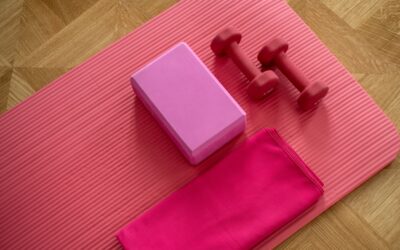
A standard yoga mat is about 2 feet wide, which is fine until you try a burpee, a lateral lunge, or a jumping jack and land half on the rug. An extra large workout mat solves that by giving you one continuous surface, commonly 6 by 4 feet, 7 by 5 feet, or 6 by 8 feet, big enough to move in every direction without stepping off. For living-room cardio, HIIT, and stretching, it is the simplest way to protect your floor and your joints at the same time.
The right mat depends on three things: how much you move, what you are standing on, and how much space you can clear. A 6 by 4 foot mat suits most stretching and bodyweight routines. Anyone doing jump training or dance cardio will usually want at least 7 by 5 feet. Thickness around 6 to 7 millimeters is the sweet spot for most people, and the material you pick determines grip, smell, and how long it lasts.
Worth noting: this is about single, roll-out large exercise mats you can put away. Permanent gym flooring, like interlocking foam tiles or rubber rolls that cover a whole room, is a different project with different trade-offs.
Choosing an Extra Large Workout Mat by Activity
Size is the first decision, and it should follow how you actually train. Measure your wingspan and your longest stride, then add a little margin.
| Mat size | Best for | Notes |
|---|---|---|
| 6 x 2.5 ft | Yoga, floor core | Wide yoga mat; still tight for cardio |
| 6 x 4 ft | Stretching, Pilates, bodyweight strength | Fits most living rooms |
| 7 x 5 ft | HIIT, jump rope, cardio videos | Room for lateral moves |
| 6 x 8 ft and up | Two people, dance, kickboxing | Needs dedicated floor space |
Cardio and HIIT
Jumping moves need space in front, behind, and to the sides. Skaters, lateral shuffles, and mountain climbers all push you off a small mat. A 7 by 5 foot surface keeps every landing on cushioned material, and taller people over about 6 feet should favor longer options.
Stretching and Mobility
Lying flat with arms out is the real test. A 6 by 4 foot mat lets you stretch overhead and sideways without touching the floor, and it is still easy to roll and store behind a sofa.
Strength Training
Bodyweight and light dumbbell work fits on almost any large mat. Heavy weights are another matter. Foam and PVC mats dent under dropped weights, so if you lift heavy, treat the mat as a warm-up zone and use a dedicated rubber platform for lifting.
Thickness: How Much Cushion Do You Need?
Thicker is not always better. Too much cushion makes balance and quick footwork harder, while too little leaves knees and wrists sore on hard floors.
- 3-5 mm: Firm and stable. Good for standing balance work, but thin on hardwood or tile for kneeling.
- 6-7 mm: The best all-rounder for cardio, HIIT, and stretching. Enough to soften jump landings without feeling mushy.
- 8-10 mm and up: Plush for floor exercises, sensitive joints, or older adults. Less stable for fast lateral moves.
If you share the space with downstairs neighbors, a 6 to 8 millimeter mat noticeably dulls the thud of jumping, especially when combined with shoes that have soft soles.
Material Choices Compared
PVC
Many large-format exercise mats are PVC. It is affordable, durable, and easy to wipe clean, with good grip when dry. Downsides include an initial vinyl odor and a slicker surface once you sweat. Look for phthalate-free options.
Polyurethane-Topped Rubber
A natural rubber base with a PU top layer gives the best wet grip and a stable, dense feel. It is heavier and more expensive, and anyone with a latex allergy should avoid natural rubber.
TPE
Thermoplastic elastomer is lighter than rubber, usually low-odor, and reasonably grippy. It is less durable under shoes and sharp pivots and can compress over time.
NBR Foam
Nitrile rubber foam is thick and very soft, great for floor work and cheap. It tears easily under shoes and is too squishy for fast footwork.
For most people who want one large exercise mat for cardio in sneakers, a dense PVC or PU-rubber mat around 6 to 7 millimeters is the practical pick. Shoes-on use is the key question: many mats are made for bare feet, so check that the one you choose is rated for shoe traffic.
Using a Big Mat on Carpet vs Hard Floors
Carpet
Carpet adds give, which sounds nice but can make a thick mat wobbly. On plush or high-pile carpet, a thinner, denser mat around 4 to 6 millimeters stays more stable. Mats with a textured underside grip carpet better than smooth backs. Expect some shifting during jump work, and don’t place a mat over a rug that itself slides.
Hardwood, Laminate, and Vinyl Plank
Hard floors are where a large mat earns its keep. It prevents scuffs from shoes, protects the finish from sweat, and cushions joints. Use a mat with a non-slip, non-staining backing. Some rubber backings can discolor vinyl or finished wood over time, so if the mat stays down for weeks, lift it periodically and let the floor breathe, or add a breathable felt layer underneath.
Tile and Concrete
Go thicker, 7 millimeters or more, because these floors have zero give. Cold concrete in a basement or garage can also make mats stiffen and curl, so let it warm to room temperature before use.
Setting Up and Staying Safe
- Clear the zone. Leave a foot or two of clear floor around the mat and keep furniture corners and coffee tables well back.
- Flatten it first. New mats arrive rolled and curl at the ends. Lay it flat for a day, or reverse-roll it briefly. Curled edges are a trip hazard.
- Check the backing grip. Push the mat with your foot. If it slides on hardwood or tile, add a thin rug pad or reposition it.
- Keep edges flat and visible. In shared living spaces, roll it up after workouts so no one trips over it at night.
- Mind sweat. Wipe puddles quickly; a wet PVC surface gets slick. A towel near the mat helps.
Cleaning and Care
Wipe the mat after sessions with a damp cloth and a few drops of mild dish soap, then let it air-dry flat before rolling. Avoid bleach, solvents, and essential-oil-heavy sprays, which can degrade rubber and PVC. Keep it out of direct sun and away from radiators, since UV and heat break down most mat materials. Store it rolled with the top surface facing out to reduce edge curl, or lay it flat under a bed if you have room.
Troubleshooting Common Issues
Strong smell. PVC and some rubbers off-gas when new. Unroll the mat in a ventilated room for a few days before using it indoors.
Mat slides on the floor. Dust underneath reduces grip, so clean the floor and the backing. A thin non-slip rug pad fixes stubborn cases.
Edges keep curling. Roll it the opposite way for an hour, or weigh the corners down with books overnight.
Surface is too slick. Sweat and oils build up; clean more often. Barefoot slipping may mean you need a PU-topped surface.
Indentations. Furniture and weights leave dents in foam. Most PVC mats recover partially if left flat, but deep dents in soft foam are permanent.
Cost Ranges
Budget roughly $40 to $80 for a basic 6 by 4 foot PVC or foam mat, $80 to $150 for larger 7 by 5 and 6 by 8 foot options, and $150 or more for dense rubber mats with PU tops. Paying more generally buys better grip, less odor, and a surface that tolerates shoes. For comparison, covering a whole room with interlocking foam tiles or rubber rolls can cost less per square foot but is a more permanent commitment.
When a Mat Isn’t Enough
A single extra large workout mat covers most home fitness needs. If you are building out a dedicated home gym with heavy weights, rowers, or treadmills, consider permanent rubber flooring or a lifting platform instead, and check that your floor structure can handle the load if the gym is on an upper level. For basements with moisture issues, sort out dampness first, since trapped moisture under any mat or flooring can lead to odors and mold.
Frequently Asked Questions
What size is an extra large workout mat?
Most extra large exercise mats run 6 by 4 feet, 7 by 5 feet, or 6 by 8 feet. Anything wider than a standard 2-foot yoga mat and long enough to lie flat with arms overhead generally fits the category.
Can I wear shoes on a large exercise mat?
Many large mats are designed for shoes, especially dense PVC and rubber models. Thin foam and some TPE mats tear under shoe pivots, so check that the mat is rated for footwear before cardio sessions.
Is 6 mm thick enough for HIIT?
Yes, 6 to 7 millimeters is the typical choice for HIIT. It cushions jump landings while staying firm enough for quick lateral moves. Go thicker only for mostly floor-based routines.
Will a workout mat damage hardwood floors?
Some rubber backings can discolor finished wood or vinyl if left down for long periods. Choose a non-staining backing, keep the floor underneath clean and dry, and lift the mat now and then to let the surface breathe.
How do I keep a big mat from sliding on carpet?
Choose a mat with a textured, grippy underside and keep it on low-pile carpet if possible. A thinner, denser mat also moves less than a thick, soft one during jumping exercises.