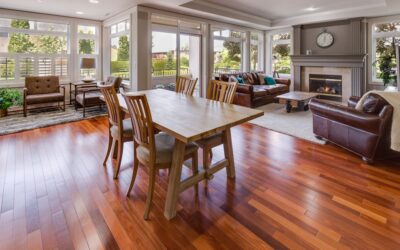
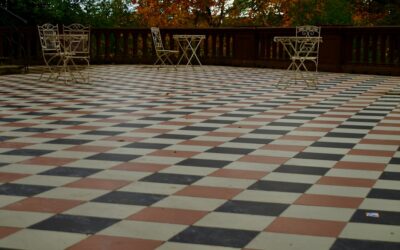
Walk into a luxury hotel lobby and the floor is usually the first thing that registers, even if you never consciously notice it. That is the quiet power of fancy flooring: it sets the tone of a room before a single piece of furniture arrives. Homeowners chasing that high-end look have more options than ever, from $4 designer vinyl to $30-per-square-foot marble. The trick is matching the wow factor to your budget, your subfloor, and how much foot traffic the space actually sees.
- What Actually Counts as Fancy Flooring
- The Most Popular Fancy Flooring Materials
- Pros of Going Fancy
- The Drawbacks You Should Know
- What Fancy Flooring Really Costs Installed
- How to Choose the Right Fancy Floor
- Installation and Care Tips From the Field
- Fancy Patterns That Make a Statement
- Achieving the Fancy Look on a Budget
- Matching Fancy Floors to Your Home's Style
What Actually Counts as Fancy Flooring
There is no industry definition, but in practice “fancy” means flooring with visual drama, premium materials, or intricate installation patterns. A plain oak plank is handsome; the same oak laid in a 90-degree herringbone with a beveled edge is fancy. Material matters, but so does layout, finish, and the precision of the install.
The most common categories homeowners ask about are wide-plank European white oak, natural stone like marble and travertine, patterned porcelain, and high-end luxury vinyl that convincingly mimics all three. Borders, medallions, and mixed-material inlays push any of these into showpiece territory.
The Most Popular Fancy Flooring Materials
Each material trades cost against durability and upkeep. Here is how the headliners stack up before installation labor:
- Wide-plank white oak — $8 to $16 per sq ft. Planks 7 to 10 inches wide read as luxurious; engineered versions handle humidity better than solid.
- Marble (Carrara, Calacatta) — $15 to $30 per sq ft. Stunning veining, but it etches with lemon juice and needs sealing twice a year.
- Herringbone or chevron wood — $10 to $20 per sq ft installed, partly because the labor doubles.
- Porcelain with marble look — $5 to $12 per sq ft. Nearly indestructible and waterproof, ideal where real stone is impractical.
- Designer luxury vinyl (LVT) — $4 to $9 per sq ft. The budget route to a high-end look with full waterproofing.
Pros of Going Fancy
The upside is more than vanity. Distinctive flooring is one of the few renovations that buyers remember during a walkthrough, and appraisers reward it. A herringbone foyer or a marble entry can lift perceived value far beyond its raw cost.
Premium materials also tend to last. Solid oak can be sanded and refinished six or seven times across 75-plus years. Porcelain shrugs off scratches that would gouge laminate. When you amortize the price over decades, the per-year cost often beats cheaper floors you replace twice.
The Drawbacks You Should Know
Cost is the obvious hurdle, but maintenance is the sneaky one. Natural marble stains if you spill red wine and walk away; it needs pH-neutral cleaners and periodic resealing. Wide planks can cup or gap if the subfloor moisture exceeds 12 percent or the wood was not acclimated for the recommended 5 to 7 days.
Patterned installs also magnify mistakes. A chevron layout that drifts an eighth of an inch per row becomes a visible wave by the far wall. This is not the project for a first-time DIYer or a budget contractor working by the hour.
What Fancy Flooring Really Costs Installed
Plan on labor running $3 to $8 per square foot for straight-lay material and $6 to $12 for patterns or stone. A 200-square-foot dining room in herringbone oak typically lands between $4,000 and $6,000 all in. Marble in the same room can hit $8,000 once you add demolition, mortar bed, and sealing.
Hidden costs add up fast: floor leveling ($1 to $3 per sq ft), moisture barriers, transition strips, and an extra 10 to 15 percent material overage for pattern cuts. Get those line items in writing before you sign.
How to Choose the Right Fancy Floor
Start with the room’s job. A kitchen or mudroom wants waterproof porcelain or premium LVT. A formal living room can carry solid oak or stone that would be impractical near water. Match the scale of the pattern to the room, too: oversized chevron overwhelms a small powder room, while a tight herringbone looks busy in a great room.
Pull samples and view them in your own light at three times of day. Marble that looked crisp white in the showroom can turn gray under warm LED bulbs. Order a single box of LVT and live with a loose-laid section for a week before committing the whole floor.
Installation and Care Tips From the Field
Hire a contractor who can show you finished pattern work in person, not just straight planks. Ask specifically about their subfloor prep, since 90 percent of fancy-floor failures trace back to an uneven or damp base. A good crew checks flatness to within 3/16 inch over 10 feet before laying a single board.
Once installed, protect your investment. Use felt pads under furniture, keep indoor humidity between 35 and 55 percent for wood, and reseal stone on schedule. Done right, fancy flooring is the rare upgrade that still looks intentional and expensive 20 years later.
Fancy Patterns That Make a Statement
Layout is often what separates an ordinary floor from a showpiece, and you do not always need exotic material to get there. Herringbone arranges rectangular planks in a zigzag at 90 degrees, while chevron cuts the plank ends at an angle so they meet in clean points — a more formal, French look. Both instantly elevate plain oak or even quality LVP into something that reads as designed.
For real drama, consider inlaid borders, medallions, or mixed-material fields that combine wood with stone or metal strips. A simple marble border framing a wood floor, or a parquet pattern in a foyer, signals craftsmanship the moment someone walks in. These details add labor cost, but they deliver disproportionate visual impact for the square footage involved.
Achieving the Fancy Look on a Budget
You do not need a stone-mason’s budget to get the high-end effect. Premium luxury vinyl now convincingly mimics wide-plank oak, marble, and herringbone at $4 to $9 per square foot, fully waterproof and far easier to live with than the real thing. A herringbone LVP foyer can fool most guests at a fraction of solid-wood cost.
Another budget strategy is to concentrate the splurge. Lay fancy material only in the spaces people notice most — the entry, the dining room, a powder room — and use simpler flooring elsewhere. Large-format marble-look porcelain delivers stone drama for $5 to $12 per square foot, a third of natural marble, with none of the etching worries. Smart placement makes a modest budget look lavish.
Matching Fancy Floors to Your Home’s Style
The most expensive floor still falls flat if it clashes with the architecture. Wide-plank European oak suits modern and transitional interiors, while intricate parquet and dark stained herringbone feel at home in traditional and formal rooms. Marble and travertine lean classic and Mediterranean, and polished concrete or large-format porcelain read contemporary and minimalist.
Scale matters as much as style. An oversized chevron overwhelms a small powder room, while a tight herringbone looks busy across a great room. Pull large samples, view them against your wall colors and cabinetry in your own light, and live with a loose-laid section for several days before committing. Matched to the home, fancy flooring becomes the foundation of a cohesive, high-end interior rather than a costly mismatch.
Prefer to explore on your own?
See how new flooring looks in your actual room in seconds — free, no signup.
Try the free Floor Studio →