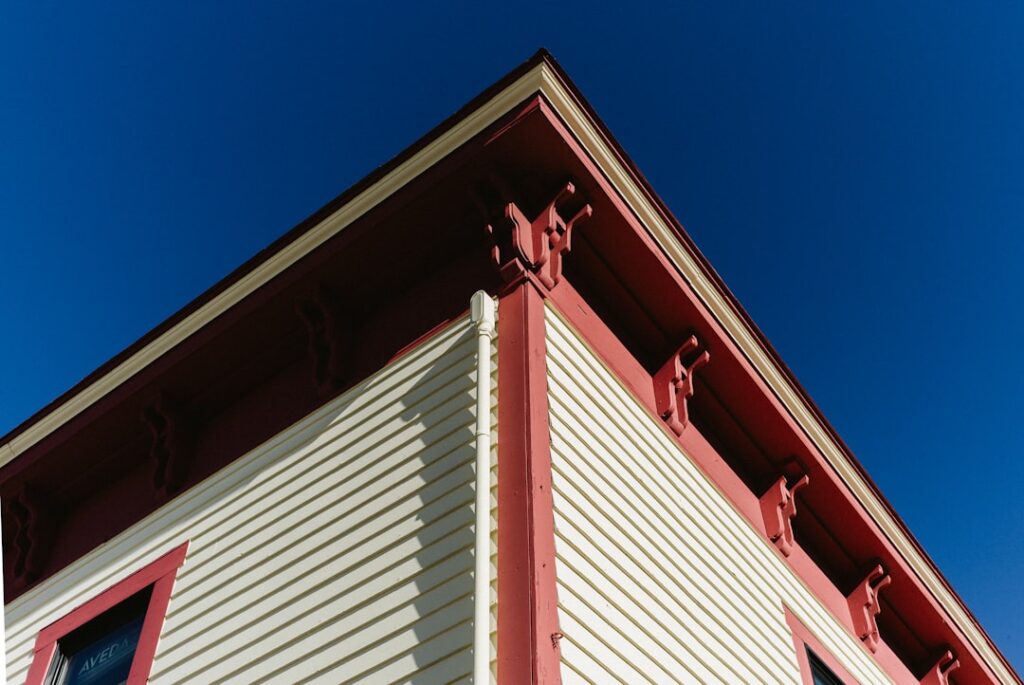
The two boards running along the edge of your roof do more work than almost any homeowner realizes. Your fascia and soffit close off the eaves, carry the gutters, and — done right — feed cool air into the attic that keeps your shingles and insulation dry. I have torn off plenty of both, and the state of these boards tells me the health of the whole roof edge before I ever get up top. Learn to read them and you catch a $600 repair before it becomes a $6,000 rafter job.
Fascia vs. Soffit: What Each One Does
They work as a pair but do different jobs. The fascia is the vertical board that caps the ends of the roof rafters, running horizontally along the roof edge. It is what your gutters bolt to, and it is the trim line your eye follows around the house. The soffit is the horizontal underside panel that bridges the gap from the fascia back to the exterior wall, tucked up under the overhang.
Think of it this way: the fascia is the face, the soffit is the floor of the overhang. The fascia takes the weather and the gutter load; the soffit seals the underside and, when vented, lets the attic breathe. Damage to one almost always threatens the other, which is why they are usually inspected, priced, and replaced together.
Material Options
You have four mainstream choices, each with real trade-offs.
- Wood. Traditional, paintable, and easy to match on older homes. Pine or fir fascia looks right on a historic house but demands paint upkeep and rots the moment a gutter overflows behind it. Expect to repaint every 5 to 8 years.
- Aluminum. Most often used as a wrap (fascia cover, or “coil stock”) over wood fascia and as vented soffit panels. It will not rot, resists moisture, and comes pre-finished. Dents if a ladder slams it, but it is the workhorse of gutter contractors.
- Vinyl. Popular for soffit because vented vinyl panels are cheap, light, and never need paint. It can sag in extreme heat and grow brittle in hard freezes, and cheap grades look plasticky. Solid choice on a budget.
- Fiber cement. Products like James Hardie trim boards resist rot, insects, and fire, hold paint for 15-plus years, and look like wood. Heavier and pricier to install, but the premium long-term pick, especially in humid or termite-prone regions.
A common real-world combo is fiber cement or wood fascia wrapped in aluminum, paired with vented vinyl or aluminum soffit. You get the paintable face and the maintenance-free underside.
Ventilation: The Part That Protects Your Roof
This is where fascia and soffit earn their keep. Vented soffit panels are the intake side of your attic’s ventilation system. Cool outside air enters through the soffit, rises as it warms, and exits through ridge or gable vents at the top. That continuous wash of air does two critical things: it carries away summer heat that would otherwise cook your shingles from below, and it removes winter moisture before it condenses on the underside of the roof deck.
Kill that airflow and you invite trouble. Blocked soffit vents are the number-one cause of ice dams in cold climates and premature shingle curling in hot ones. When I see stained or rotting fascia, I almost always find the attic could not breathe.
Keep the intake open
- Confirm your soffit is actually vented — perforated panels or a continuous vent strip, not solid board painted to look like vents.
- Install baffles (rafter vents) at each bay so blown-in insulation cannot smother the intake.
- Aim for a rough 1:300 ratio of net free vent area to attic floor, split roughly half intake (soffit) and half exhaust (ridge).
Signs Yours Need Replacing
Get on a ladder once a year and look for these:
- Peeling or bubbling paint on the fascia — moisture is getting behind it.
- Soft, spongy wood you can push a screwdriver into. That is active rot.
- Sagging or dropped gutters, which usually means the fascia behind them has failed.
- Dark water stains or streaks on the soffit underside.
- Wasp nests, or worse, evidence of squirrels or birds nesting in gaps — a sign panels have opened up.
Catch soft wood early and you replace a board or two. Ignore it and the rot travels into the rafter tails, and now you are into structural repair.
Replacement Cost
Budget by the linear foot, since that is how the work is measured. Replacement typically runs $6 to $20 per linear foot installed, materials and labor combined. Where you land depends on the material and access:
- Vinyl soffit: roughly $6 to $10 per linear foot — the value option.
- Aluminum fascia and soffit: about $8 to $16 per linear foot.
- Wood: $6 to $14 per linear foot, more if it needs priming and painting.
- Fiber cement: $10 to $20-plus per linear foot, reflecting the heavier board and slower install.
For an average single-story home with about 200 linear feet of roof edge, a full fascia-and-soffit replacement commonly lands between $1,500 and $4,000. Two stories, steep pitches, or rotted rafter tails push it higher because of staging, ladders, and added carpentry. Always get the gutters priced in the same conversation, since they usually come off and go back on.
How the Replacement Job Actually Goes
Knowing the sequence helps you judge a contractor’s bid and spot corners being cut. A proper fascia-and-soffit replacement runs roughly like this:
- Gutters come off. They bolt to the fascia, so they have to be removed and stored or replaced. A crew reusing old gutters should hang them back dead level.
- Old material is torn off. Fascia boards and soffit panels come down, exposing the rafter tails and the sub-fascia behind them.
- The framing gets inspected. This is the moment that matters. Any soft rafter tails or rotted sub-fascia must be cut back to sound wood and sistered or replaced. Painting over rot here is the classic hack job.
- New soffit goes up first, then the fascia caps the ends. Vented panels or continuous strip vent must stay open, not smothered by trim.
- Fascia is wrapped or painted, gutters go back on, and everything gets sealed at the joints.
On a typical single-story ranch, a two-person crew wraps the whole perimeter in two to four days depending on how much rotten framing turns up once the old boards are off. Two-story homes and steep roofs run longer because every foot of work happens off ladders or staging.
Maintenance That Extends Their Life
Fascia and soffit fail almost entirely because of water, and most of that water comes from clogged gutters overflowing behind the boards. Clean your gutters twice a year — spring and late fall — and the single biggest threat to these boards goes away. While you are up there, look for peeling paint and touch it up before bare wood drinks in moisture. Keep the soffit vents clear of paint, dirt, and wasp nests so the attic keeps breathing. Small habits here add a decade to the roof edge.
Repair or Replace?
Spot rot on one or two boards on a sound roof edge? Cut out the bad section, treat the neighbors, and splice in new material — a reasonable repair. But if you find rot in several places, or the soffit venting has been failing for years, replacing the whole run is the smarter money. New continuous material seals better, vents properly, and you are not back up the ladder next spring chasing the next soft spot.
Hiring Out vs. DIY
A handy homeowner can replace a short, single-story wood fascia section and snap in vinyl soffit panels over a weekend with a circular saw, a nail gun, and a solid ladder setup. Where I tell people to hire a pro: any two-story work, anything involving rafter-tail rot, and jobs where the gutters must come down and go back level. The material cost is modest; the risk is the height. If you are not fully comfortable working off a ladder along the entire roofline, this is a job worth paying for — and worth doing before a small leak turns your roof edge into a rebuild.