Stacking a television directly above a fireplace has become the signature look of modern living rooms, but done carelessly it cooks your TV and leaves you craning your neck all evening. A well-designed built in TV and fireplace wall solves both problems by managing heat, setting the screen at a comfortable height, and integrating the wiring so nothing dangles. The payoff is a single dramatic focal wall that anchors the whole room. This guide covers the design decisions, heat clearances, materials, and realistic costs before you commit to the build.
Deciding on Your Fireplace Type
The fireplace you choose drives every downstream decision, especially how much heat rises toward the TV. Three types dominate these builds.
- Electric fireplace: The easiest and most TV-friendly. Units like the Dimplex or Touchstone Sideline vent heat forward or downward, not straight up, so the screen above stays cool. Prices run $300 to $1,200 and installation is largely a framing job.
- Gas fireplace: Provides real flame and strong heat output. Requires a gas line, proper venting, and generous clearance above the firebox. Expect $2,500 to $6,000 installed.
- Wood-burning fireplace: The most heat and the strictest clearances. Rarely paired directly with a TV without a substantial mantel and offset to protect the electronics.
For a clean TV-over-fireplace look, an electric unit is the practical winner. It sidesteps most of the heat headaches that make the other two risky for delicate electronics.
Managing Heat to Protect Your TV
Heat is the number one killer of TVs mounted above fireplaces. Consumer electronics are generally rated to operate below about 100 to 105 degrees Fahrenheit, and a gas or wood firebox can drive the wall above it far hotter than that.
Build in protection from the start. A projecting mantel that extends 8 to 12 inches out deflects rising heat away from the screen. Keep at least 12 inches of clearance between the top of the firebox opening and the bottom of the TV, more for gas or wood. An electric insert that vents heat out the front is the safest choice, and some models let you run the flame effect with the heater off entirely. When in doubt, hold your hand where the TV will sit after running the fireplace for 30 minutes; if it feels hot, add clearance or a mantel.
Getting the TV Height Right
The classic complaint about TVs over fireplaces is neck strain, and it comes from mounting the screen too high. Ideal viewing puts the center of the screen near seated eye level, roughly 42 to 48 inches from the floor. A fireplace pushes the TV well above that, so you compensate with smart choices.
Use a full-motion or tilting mount that angles the screen downward toward the seating, which corrects much of the viewing angle. Keep the fireplace itself lower in the wall design so the TV can sit as low as clearances allow. Recessing the TV into the wall at the correct height, rather than surface-mounting it high, is the premium solution many custom builds use. Measure from your actual couch position before you frame anything.
Framing and Wall Materials
The structure behind the finish carries the fireplace, the TV, and any shelving, so frame it to handle real weight. Build the wall out from the existing surface with 2×4 studs to create a chase for wiring and to recess the fireplace and TV.
Popular finish materials
- Drywall with paint: The most affordable clean look, easy to update later.
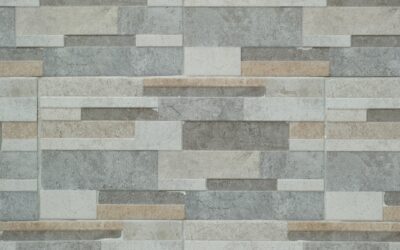
- Stone veneer: Manufactured stacked stone panels run $8 to $15 per square foot and deliver a rugged, high-end texture.
- Shiplap or wood slats: Warm, on-trend, and DIY-friendly for around $3 to $7 per square foot.
- Porcelain slab or large-format tile: A sleek modern face, though heavier and pricier to install.
Whatever the finish, use non-combustible cement board directly around a gas or wood firebox and follow the manufacturer’s clearance-to-combustibles specs to the letter.
Hiding the Wires
Nothing ruins a built-in faster than a power cord snaking down the wall. Since you are framing the wall out anyway, run everything inside the cavity. Install an in-wall rated power outlet directly behind the TV location and a low-voltage bracket for HDMI and network cables.
Code prohibits running a standard TV power cord inside a wall, so use a recessed power kit such as a PowerBridge, about $40, which provides a code-compliant outlet up top and another below. Route HDMI, streaming device power, and speaker wires through the same chase. Plan cable paths before you close up the drywall, because retrofitting wires afterward means cutting the wall back open.
Adding Storage and Shelving
Flanking the fireplace with built-in cabinets or floating shelves turns a plain wall into custom millwork. Lower cabinets hide the receiver, gaming consoles, and clutter, while open upper shelves display books and decor.
Ventilate any closed cabinet that holds AV equipment, since receivers and consoles throw off heat of their own. A pair of vent grilles or a small cabinet fan keeps components from overheating. Floating shelves mounted with heavy-duty concealed brackets read as clean and modern, and running LED strip lighting under them adds ambiance for a few dollars. Match the shelf material to the wall finish for a cohesive, intentional look.
What It Costs to Build
Budget ranges widely with the fireplace and finish you pick. A DIY electric fireplace wall with drywall and simple shelving can come together for $1,500 to $3,500 in materials. Add stone veneer, quality cabinetry, and a recessed TV niche and you climb toward $5,000 to $8,000.
Hiring a contractor for a gas fireplace wall with custom built-ins commonly lands between $8,000 and $15,000 once you factor in the gas line, permits, framing, electrical, and finish carpentry. Get itemized quotes so you can see where the money goes and where you might DIY a portion, such as painting or shelf installation, to trim the total.
Final Design Tips
A few details separate a builder-grade wall from a showpiece.
- Keep proportions balanced so the TV and fireplace feel integrated, not stacked as an afterthought.
- Add dimmable lighting to soften the screen’s glow at night and highlight texture.
- Choose a TV with a matte or anti-glare screen if the room gets strong daylight.
- Confirm every clearance against your fireplace manual before committing to framing.
Plan the heat, height, and wiring up front, and a built-in TV and fireplace wall becomes the room’s centerpiece for years without a single scorched cable or sore neck.