Two focal points fight each other in most living rooms: the fireplace wants the eye, and the television gets it. Building an accent wall with fireplace and TV resolves the conflict by combining both into one deliberate architectural feature — typically a floor-to-ceiling treated wall with the TV above or beside a linear fireplace. Done well, it organizes the whole room; done casually, it becomes a hot TV mounted too high over a mantel. This guide covers the proven layouts, material options with real costs, the heat and height rules that protect your electronics and your neck, and what a build actually runs.
Start With the Layout Decision
Three arrangements cover nearly every successful media fireplace wall. The stacked layout — TV centered above the fireplace — is the classic and works best with a linear electric or direct-vent gas unit mounted low, keeping the TV center near seated eye height. The offset layout places the fireplace on one side and the TV on the other, balanced by cabinetry or shelving; it photographs beautifully and eliminates every heat and height concern, but needs at least 12 to 14 feet of wall. The concealed layout hides the TV behind cabinet doors, a sliding art panel, or uses a frame-style display (Samsung’s The Frame is the category leader) so the screen reads as artwork when off.
Measure before you commit. A 65-inch TV is about 57 inches wide; add a 50 or 60 inch linear fireplace below it and 8 to 12 inches of breathing room on each side, and a stacked design realistically wants a wall at least 9 feet wide and 9 feet tall to look proportional. Rooms with 8-foot ceilings can still pull off the stacked look, but keep the fireplace low, skip the mantel shelf, and run the accent material to the ceiling so the eye reads height rather than clutter.
Fireplace Type Drives Everything Else
Electric linear fireplaces dominate this application for good reasons: they install into a framed 2×6 cavity with a standard 120V circuit, most are rated for close TV clearance because heat blows out the front or top-front, and units from brands like Dimplex, Touchstone, and Napoleon run $400 to $1,500. Direct-vent gas gives real flame and serious heat (20,000 to 40,000 BTU) but requires venting, gas line work, and strict clearances — figure $2,000 to $5,500 installed before the surround. Wood-burning is rarely paired with a TV above it; the sustained flue heat is brutal on electronics. Whatever you choose, the manufacturer’s installation manual is the law: it specifies minimum clearance to combustibles and to a TV above, and it overrides any advice you read online, including this article.
Heat and Height: The Two Rules People Break
Rule one is heat. Electronics age fast above roughly 100°F ambient. With gas units especially, use a mantel or projecting “heat deflector” shelf between fire and screen, honor the manual’s TV clearance (often 12 to 24 inches above the opening with a mantel), and on movie night check the wall surface above the fireplace with your hand — if it is uncomfortably hot, your TV is cooking.
Rule two is height. Ideal TV center is seated eye level, roughly 42 inches off the floor — impossible over a fireplace, but stay disciplined: keep the screen center at or below about 60 to 65 inches, tilt the mount 5 to 10 degrees downward, or use a pull-down mantel mount (MantelMount and similar, $200 to $600) that drops the screen to eye level for viewing. If the design forces the TV higher than that, switch to the offset layout. Your cervical spine will not negotiate.
Material Options and Costs
The accent treatment turns a drywall bump-out into a feature. Popular choices, with typical installed material cost for a 10×9 ft wall:
- Vertical slat wood panels: the current favorite; walnut or oak-veneer slat systems run $8 to $20 per sq ft and warm up minimalist rooms.
- Painted shiplap or board-and-batten: $3 to $8 per sq ft DIY; suits farmhouse and transitional styles.
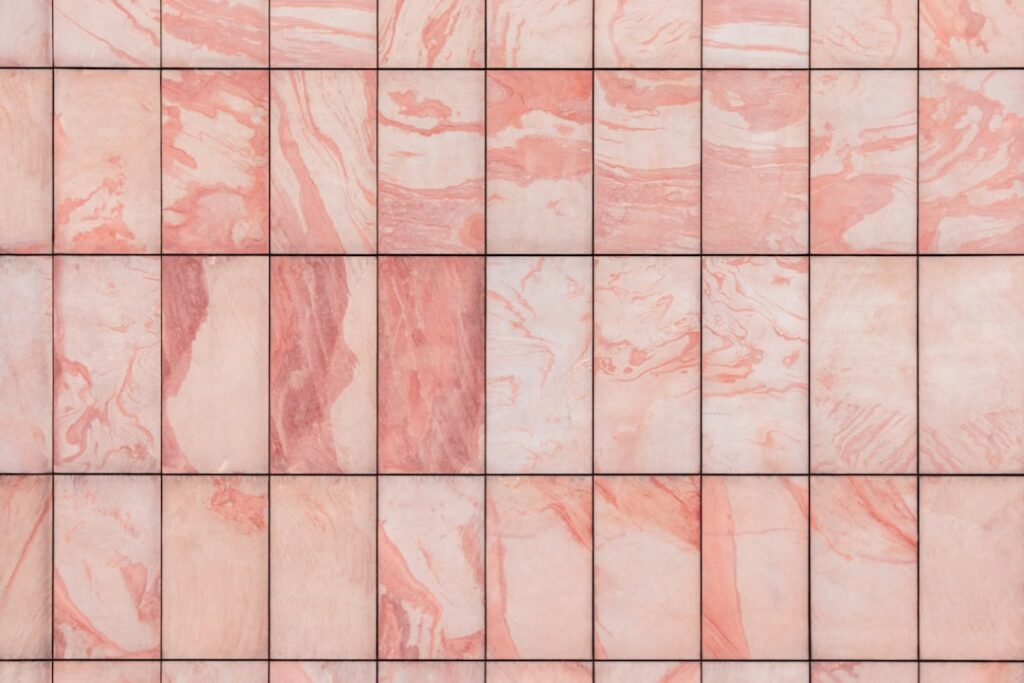
- Large-format porcelain tile or slab-look panels: $10 to $30 per sq ft; delivers the seamless stone monolith look and is noncombustible near the firebox.
- Stone veneer (manufactured or real thin-cut): $12 to $35 per sq ft installed; texture-heavy and traditional-to-rustic.
- Venetian plaster or limewash: $5 to $15 per sq ft; soft, organic, and excellent at hiding the drywall seams of a new bump-out.
Around the firebox itself, keep the immediate surround noncombustible — tile, stone, or metal — per the fireplace manual, even when the rest of the wall is wood.
Wiring, Framing, and the Details That Read as Professional
Plan the invisible parts first. Frame the feature wall as a 2×6 bump-out and you gain a chase for everything: recessed outlet and HDMI pass-through behind the TV (in-wall rated cables only — standard power cords inside walls violate code), a dedicated circuit for the fireplace, and low-voltage runs to a media cabinet so components live out of sight. Add blocking at the mount height for the TV — lag bolts into 3/4 inch plywood or doubled studs, never drywall anchors, for a 50-plus pound screen. Small touches with outsized impact: LED strip lighting washing down slat wood, a floating hearth bench in oak or concrete, and symmetrical cabinetry that gives soundbars and consoles a home. Budget for an electrician visit ($300 to $800) even on an otherwise DIY build.
What the Whole Project Costs
Real-world budgets cluster in three tiers. A DIY electric-fireplace media wall — framed bump-out, mid-range electric insert, shiplap or slat finish, recessed wiring — typically lands at $1,500 to $3,500 in materials. A contractor-built version of the same wall runs $4,000 to $9,000. Gas-fireplace feature walls with tile or stone finishes and custom cabinetry commonly reach $10,000 to $25,000. Against those numbers, remember what the project replaces: a media wall functions as furniture, fireplace, and architecture at once, and real estate agents consistently list fireplace feature walls among the details that make listings show better.
Getting It Right the First Time
Before any lumber arrives, tape the full layout on the existing wall — fireplace outline, TV outline, shelf lines — and live with it for a week, checking sight lines from every seat. Confirm the fireplace manual’s clearances against your sketch, verify your TV height with a cardboard mockup, and decide on the concealment strategy for cords and components now rather than after paint. An accent wall with fireplace and TV is a permanent piece of architecture in the most-used room of the house; the extra planning week costs nothing and shows every single evening.