Getting the television and the fire on the same wall is one of the most requested living-room upgrades, and a well-executed feature wall with fireplace and tv turns a blank stretch of drywall into the focal point of the whole room. Done poorly, though, it becomes a cluttered stack of black rectangles with a TV mounted too high to watch comfortably. The secret is treating the wall as a single designed composition, controlling the heat so the electronics survive, and choosing a material that reads as intentional. This guide covers the layout math, material options, safe clearances, and real-world costs.
Get the Heights Right
The most common mistake is mounting the TV too high because the fireplace pushes it up. Ergonomics still rule: the center of the screen should sit roughly at eye level from your seated position, usually 40 to 48 inches off the floor, meaning the bottom of a 65-inch TV lands around 24 to 30 inches up.
- Firebox top to TV bottom: Leave a gap of at least 12 inches, and check the fireplace manual, since some units require more.
- Mantel as a buffer: A mantel shelf between the firebox and TV deflects rising heat and visually separates the two elements. Plan 6 to 12 inches of clearance above the mantel to the TV.
- Recess when possible: A recessed niche keeps the TV flush and lets you run it lower without a bulky mount sticking out.
Pro tip: a tilting or pull-down mount lets you angle a slightly higher screen down toward the sofa, easing neck strain when the fireplace forces the TV up a few inches.
Choose the Fireplace Type
The firebox you pick drives everything else, from clearances to cost.
- Electric fireplace: The easiest and safest under a TV. It plugs into a standard outlet, throws heat forward through a front vent (not up toward the screen), and installs into a framed wall in a weekend. Expect $300 to $1,500 for the unit.
- Direct-vent gas: Real flame with sealed combustion vented outside. It looks premium but generates real heat, so it needs generous clearance and often a heat-management vent above the firebox. Budget $2,000 to $5,000 installed.
- Linear vs. traditional: A long, low linear firebox suits a modern wide TV composition, while a square traditional box pairs with a mantel and a more classic look.
Material Ideas for the Wall Face
The surface material is what makes the wall a feature rather than an afterthought. Match it to your room’s style and your budget.
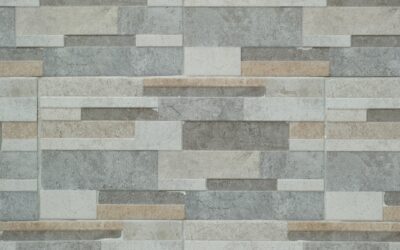
- Stacked stone or ledger panels: Natural or manufactured stone in interlocking panels gives rugged texture. Manufactured stone runs $8 to $15 per square foot before labor.
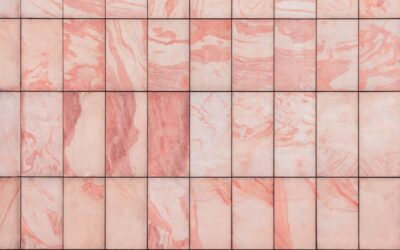
- Large-format porcelain slab: A single 24-by-48-inch or larger tile in a marble or concrete look reads sleek and modern. Material is $10 to $25 per square foot, but it needs a skilled installer.
- Vertical shiplap or slat wood: Painted shiplap suits farmhouse rooms; a fluted or slat wood panel reads contemporary. Keep combustible wood well outside the firebox clearance zone.
- Venetian plaster or limewash paint: A moody, textured painted finish is the budget-friendly way to make the wall distinct for under $200 in materials.
Hide the Cables and Wiring
Nothing kills a clean feature wall faster than a cord dangling from the TV. Plan the wiring before you close up the wall. Run the HDMI, power, and any soundbar cables through the wall using a recessed low-voltage box and an in-wall-rated power kit (about $30 to $60). Add extra conduit or a length of smurf tube behind the finish so you can fish new cables later without opening the wall. If you’re adding a soundbar, a floating shelf or a recessed ledge below the TV gives it a home and hides its cable run.
Heat Clearance and Safety
Electronics and heat don’t mix, so respect the numbers. Every fireplace lists a minimum mantel and combustible clearance in its manual, and it is not optional. For gas units especially, rising heat can cook a TV’s internals and void the warranty. Manage it with:
- A mantel or a metal heat-deflector shelf that pushes hot air outward instead of straight up the wall.
- A cool-touch or heat-shielded firebox rated for TV mounting above it, which many electric models now advertise.
- At least 12 inches of vertical space, more for gas, between the firebox opening and the bottom of the screen.
- An outlet mounted behind the TV location so the power brick isn’t exposed, wired by a licensed electrician if you’re adding a new circuit.
When in doubt, an electric fireplace sidesteps most heat worries because its warm air exits low and forward.
Built-In and Symmetry Ideas
To make the wall feel custom, flank the fireplace-and-TV stack with symmetry. Matching built-in cabinets or open shelving on each side turn the composition into a true focal wall and add storage for media gear, books, and decor. Floating shelves in the same wood as your flooring tie the room together. If your ceiling is 9 feet or taller, running the feature material all the way up emphasizes the height and makes the TV feel proportional rather than stranded in a sea of drywall.
What It Costs
A DIY electric-fireplace feature wall with framed niche, an electric insert, painted shiplap, and in-wall wiring typically runs $800 to $2,000 in materials. Add stone or large-format tile and you’re at $2,500 to $5,000. A contractor-built wall with a gas firebox, stone facing, and flanking built-ins commonly lands between $6,000 and $15,000. The TV mount itself is $50 to $250 depending on whether it tilts or pulls down.
Match the Wall to Your Room Style
The feature wall should echo the rest of the room rather than fight it. In a modern space, a linear electric firebox set into a large-format porcelain slab with a floating wood shelf below the TV reads clean and gallery-like. A transitional room does well with a shiplap surround, a simple painted mantel, and flanking built-ins in the same trim color. For a rustic or mountain-home feel, stacked stone from floor to ceiling with a reclaimed-wood mantel anchors the space and hides the TV’s black rectangle in a busy, textured field. Whatever the direction, repeat one material or color from elsewhere in the room, such as the flooring tone or a cabinet finish, so the wall feels connected instead of bolted on.
Common Mistakes to Avoid
- Mounting the TV too high: The single most common error. A screen craned up near the ceiling causes neck strain. Keep the center near seated eye level and use a pull-down mount if the firebox forces it up.
- Ignoring the heat spec: Skipping the manufacturer’s clearance can cook the TV and void both warranties. Read the manual before you frame anything.
- Exposed cords: A dangling HDMI cable ruins the look instantly. Run wiring in-wall with a rated kit before you close up the framing.
- Undersizing the wall: A 65-inch TV and a fireplace on a narrow 8-foot wall feels cramped. Give the composition room to breathe with flanking negative space or built-ins.
- Combustible material too close: Wood shiplap or a wood mantel inside the firebox clearance is a fire risk. Keep all combustibles outside the listed zone.
Frequently Asked Questions
Is it safe to mount a TV above a fireplace?
Yes, if you control the heat. Electric fireplaces vent warmth forward and low, making them the safest choice. For gas or wood units, keep the manufacturer’s clearance, use a mantel or heat deflector, and confirm the TV bottom sits at least 12 inches above the firebox.
How high should the TV be over the fireplace?
Aim for the screen center near seated eye level, roughly 40 to 48 inches off the floor. If the firebox forces it higher, use a pull-down or tilting mount to angle it back toward the sofa.
Can I put a TV above an electric fireplace?
Absolutely, and it’s the easiest combination. Electric inserts run cool at the top, plug into a standard outlet, and many are specifically rated for TV mounting above them.
What is the best material for a fireplace feature wall?
Manufactured stacked stone and large-format porcelain slabs are the most popular for durability and impact. Shiplap and textured plaster are cheaper ways to add character. Keep any wood well outside the firebox clearance.
A feature wall with fireplace and tv works when you treat it as one designed surface: correct viewing height, a firebox matched to your safety needs, hidden cables, and a material that makes the wall a destination. Nail those and you get a living-room centerpiece that feels built-in rather than bolted-on.