The exposed-brick look has been hot for over a decade, but knocking out drywall to expose real masonry is rarely an option, and it is filthy work besides. Faux brick tile solves that problem. It gives you the warmth and texture of a brick wall or floor in a thin, install-friendly format that bonds to almost any flat surface. I have used it on kitchen backsplashes, accent walls, fireplace surrounds, and entry floors, and clients are consistently shocked at how convincing it looks once grouted. Here is the rundown on what it is and how to use it.
What Faux Brick Tile Actually Is
Faux brick tile comes in a few different forms, but all of them mimic the look of fired clay brick without the weight or labor of real masonry. The most durable versions are made from porcelain or ceramic printed and textured to look like brick. Others are thin-cut real brick veneers, while budget options use molded polyurethane or PVC panels.
For floors and wet areas, porcelain is the only choice I trust. It is waterproof, dense, and rated for foot traffic. Polyurethane panels are fine for a dry accent wall but have no business on a floor or in a shower.
Types of Faux Brick Tile
- Porcelain brick-look tile: Full tiles, often in elongated brick proportions like 2.5-by-10 inches. Waterproof, frost-resistant, floor-rated.
- Thin brick veneer: Real clay brick sliced about half an inch thick. The most authentic look and feel, heavier, needs mortar.
- Brick-look panels: Lightweight polyurethane or PVC sheets that install fast on dry walls. Budget-friendly but obviously the least durable.
- Peel-and-stick brick tile: Foam or vinyl with adhesive backing. Renter-friendly and removable, strictly decorative.
Faux Brick Tile Cost
Pricing spans a wide range because the materials differ so much. Porcelain brick-look tile runs roughly $4 to $12 per square foot for the tile itself. Thin brick veneer lands around $6 to $15 per square foot. Polyurethane panels and peel-and-stick options are cheapest, often $3 to $8 per square foot, and they install without a tile saw. Add labor of $5 to $12 per square foot if you hire out a tiled install. A DIYer doing peel-and-stick on a backsplash can finish a small kitchen for a couple hundred dollars.
Where to Use Faux Brick Tile
This material is versatile, but each application has a best-fit product.
- Kitchen backsplash: Porcelain or thin veneer, sealed against grease.
- Accent wall: Any type works; panels are fastest for a feature wall.
- Fireplace surround: Use porcelain or real thin brick rated for heat.
- Entry or mudroom floor: Porcelain only, for durability and water resistance.
- Bathroom and shower: Porcelain with proper waterproofing behind it.
Installing Faux Brick Tile
The process depends on the product, but porcelain and veneer follow standard tile rules.
- Prep the surface. It must be flat, clean, and dry. Patch and prime drywall, or install cement board in wet areas.
- Dry-lay the pattern. Brick proportions look best in a running bond, each row offset by half. Plan your start point so cut pieces land at corners, not the focal center.
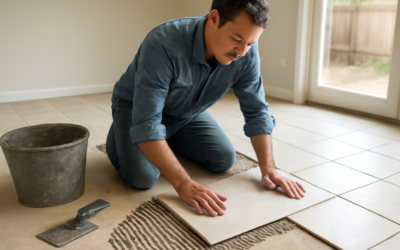
- Set in thinset. Use a notched trowel, back-butter the long, thin tiles, and use spacers to keep your mortar joints consistent.
- Grout. Many faux brick looks call for a recessed, raked grout joint to mimic real masonry. Use a sanded grout and tool the joint with a striking tool for that authentic mortared edge.
Peel-and-stick and panel products skip the mortar entirely. Clean the wall, peel, press, and trim with a utility knife. They go up in an afternoon, which is their whole appeal.
Grout Color Makes or Breaks It
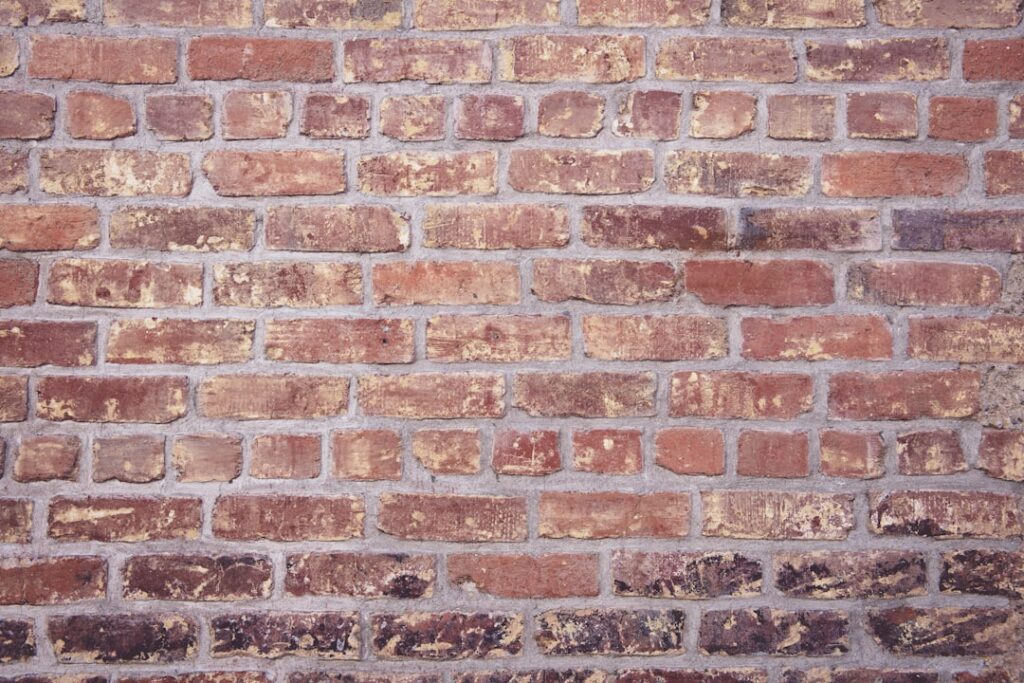
The single biggest factor in whether faux brick tile reads as authentic is grout color and joint style. Real brick walls have thick, light gray or off-white mortar joints, often raked back so the brick stands proud. Match that. A thin, flush, dark joint kills the illusion and makes the tile look like, well, tile. Spend the time to rake the joints and pick a mortar-toned grout.
Layout Patterns That Sell the Look
The pattern you choose has as much impact as the tile itself. A few arrangements show up again and again in convincing faux brick installs.
- Running bond: Each row offset by half a brick. The classic, default brick pattern and the most foolproof.
- Stack bond: Bricks aligned in a clean grid. More modern and architectural, but it reads less like traditional masonry.
- Herringbone: Bricks set at 45 degrees in a zigzag. Dramatic and high-effort, popular for floors and accent walls.
- Basketweave: Pairs of bricks alternating direction. A vintage look for floors and entries.
Whatever pattern you pick, dry-lay a section first and step back to judge it. Lighting, sightlines, and the room’s proportions all change how a pattern reads, and it is far easier to adjust before the thinset goes down than after.
Care and Maintenance
Porcelain faux brick is about as low-maintenance as flooring gets. Sweep and damp-mop floors; wipe walls with a mild cleaner. The textured surface can hold dust in the recesses, so a soft brush helps on accent walls. Seal the grout lines in kitchens and bathrooms to keep them from staining. Real thin brick veneer is more porous and benefits from a masonry sealer, especially on a backsplash near a cooktop where grease accumulates.
Is Faux Brick Tile Worth It?
For most homeowners, yes. You get the character of exposed brick without the structural weight, the cost, or the demolition. Porcelain versions deliver real durability and waterproofing for floors and wet rooms, while panels and peel-and-stick let renters and budget projects capture the look cheaply. Pick the right grade for the job, get the grout joints right, and faux brick tile delivers a timeless industrial-farmhouse look that holds up for years.
Prefer to explore on your own?
See how new flooring looks in your actual room in seconds — free, no signup.
Try the free Floor Studio →