A fence post repair kit is the fastest, cheapest way to rescue a leaning or rotted fence post without tearing out the concrete footing and starting over. When a single post fails, it can drag down an entire fence section, but replacing it the traditional way means digging out heavy concrete and re-setting a new post. Repair kits offer a shortcut that reinforces the existing post in place, and for many homeowners they turn a weekend of hard labor into an hour of work.
Part of our Decks & Outdoor guide — explore the full guide →
Why Fence Posts Fail
Understanding why your post failed helps you pick the right fix. Wood posts most often rot at ground level, where soil moisture and oxygen meet, weakening the post right at its weakest leverage point. Wind repeatedly pushing on the fence loosens posts in their footings over years. Frost heave in cold climates lifts and tilts posts as the ground freezes and thaws. Metal posts can rust through, and concrete footings can crack or shift. If the post is rotted only at the base but sound above and below, a repair kit is ideal. If the entire post is punky, splitting, or broken in the middle, replacement is the better path.
How Fence Post Repair Kits Work
Most kits share a common principle: they add a rigid support that grips the sound part of the post and anchors into the ground beside it, transferring the load away from the failed section. The support bridges the weak point, straightens the post, and holds it firmly. Depending on the design, the kit either drives into the soil next to the post or bolts to a fresh concrete footing. The existing post and its old footing usually stay in place, which is what saves so much labor.
Types of Repair Kits
Several styles are available, each suited to different situations.
- Steel post anchors or spikes: a galvanized steel spur or angle that drives into the ground alongside the post and bolts to it, common for wood posts. Fast and no-dig on softer ground.
- Post buddy or ground-anchor rods: steel rods driven at an angle into the ground and screwed into the post base, ideal for posts that rotted at ground level but are otherwise solid.
- Post-support brackets with new concrete: a metal sleeve or bracket set in a small new footing beside the old post, providing the strongest, most permanent hold.
- Concrete repair collars and expanding foam: products that fill voids around a loosened footing to re-anchor it.
Match the kit to your post material, the type of failure, and your soil. Sandy or clay soils, rocky ground, and the amount of remaining sound wood all influence which design works best.
Step-by-Step: Using a Ground-Anchor Kit
The most popular DIY kits are the driven steel rod or spur types. The general process looks like this:
- Clear soil, mulch, and debris from the base of the leaning post so you can see the damage.
- Push the post back to vertical, using a level and a temporary brace to hold it plumb.
- Position the steel anchor or rods against the sound part of the post, following the kit’s angle guidance.
- Drive the anchor into the ground with a sledgehammer or drive tool until it seats firmly, usually 18 to 30 inches deep.
- Fasten the anchor to the post with the provided galvanized screws or bolts, checking plumb again as you tighten.
- Backfill and tamp the soil, and remove the temporary brace once everything is secure.
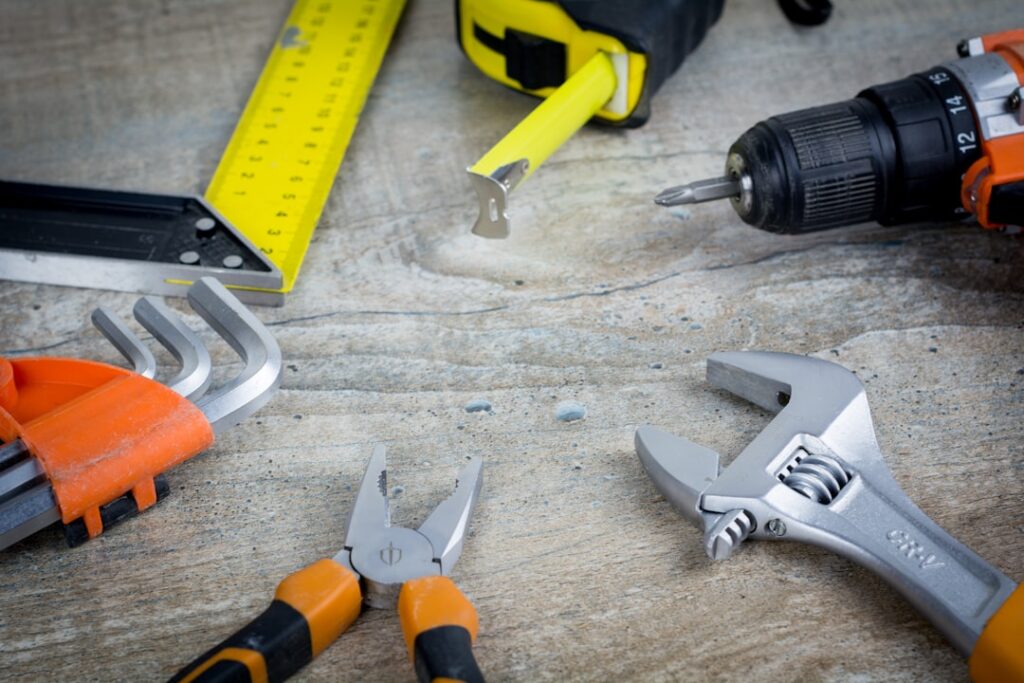
The whole job typically takes 30 to 60 minutes per post and requires only a sledgehammer, drill or wrench, and a level.
What Fence Post Repair Kits Cost
Cost is the biggest reason homeowners choose repair over replacement. A single ground-anchor or spur kit runs roughly $15 to $50 per post. Heavier bracket-and-concrete systems cost $30 to $80 plus a bag of concrete. Compared with full replacement, which can run $100 to $300 per post once you factor in a new post, concrete, and the labor to remove the old footing, a repair kit saves both money and hours of backbreaking digging. For a fence with several failing posts, the savings add up quickly.
When to Repair vs. Replace
Repair kits are not always the answer. Choose a repair kit when the post is sound above and below the damage, when only the base has rotted or the post has merely loosened, and when you want a fast, low-cost fix. Opt for full replacement when the post is rotted or broken through its middle, when it is split along its length, when metal posts have rusted through, or when several adjacent posts are failing and the fence is nearing the end of its life. A repair kit on a post that is fundamentally gone will only delay the inevitable and may fail again in a season.
Tips for a Lasting Repair
A few practices make the difference between a fix that lasts years and one that fails quickly. Always get the post truly plumb before locking it in, since a repair that sets it at a slight lean will only get worse. Use galvanized or stainless hardware to prevent the fasteners from rusting out. Drive anchors deep enough to reach undisturbed, firm soil rather than the loose fill around the old footing. In frost-prone regions, anchor below the frost line if the kit allows. Finally, treat any exposed rotted wood with a preservative before sealing the repair, and consider adding a gravel base for drainage if water is the recurring culprit.
Common Mistakes to Avoid
The most common error is repairing a post that should be replaced, resulting in a second failure within a year. Others include driving the anchor into loose backfill instead of solid ground, skipping the plumb check, using non-galvanized hardware that rusts, and failing to address the underlying moisture problem that caused the rot. Homeowners also sometimes over-tighten fasteners and split the remaining sound wood, so snug them firmly but do not crack the post.
Preventing Future Post Failures
Once you have repaired a post, it is worth understanding how to keep the rest of your fence from following the same path, since posts rarely fail in isolation. The root cause is almost always moisture reaching the wood at or below ground level. Several preventive measures dramatically extend post life. Setting posts in a way that sheds water, with a slight crown of concrete sloping away from the wood so rain does not pool at the base, keeps the vulnerable ground line drier. Adding several inches of gravel at the bottom of the post hole before setting improves drainage and keeps the end grain from sitting in standing water.
Material choice matters too. Posts rated for ground contact, treated to a higher chemical retention than standard lumber, resist rot far longer, and cedar or a steel-reinforced post like the ones sold specifically for fencing outlast untreated pine by years. Sealing the exposed tops of posts and keeping caps on prevents water from soaking down through the end grain, a commonly overlooked entry point. Keeping soil, mulch, and vegetation pulled back from the base allows the wood to dry between rains and reduces the constant moisture that feeds rot. In frost-prone regions, setting posts below the frost line prevents the seasonal heaving that loosens footings over time. Finally, an annual walk along the fence line, giving each post a firm push to check for movement and looking for soft or discolored wood at the base, catches small problems while a cheap repair kit can still solve them, rather than after a whole section has toppled.
A fence post repair kit is a genuinely useful tool that can extend the life of a fence by years at a fraction of the cost and effort of replacement. Diagnose the failure honestly, choose the right kit for your post and soil, set the post truly plumb, and use corrosion-resistant hardware, and that leaning post will stand straight and solid once again.