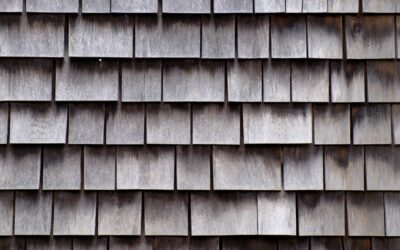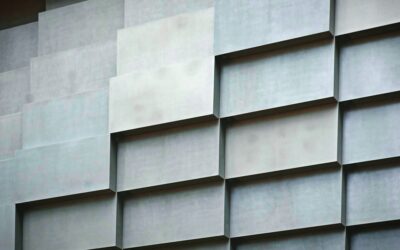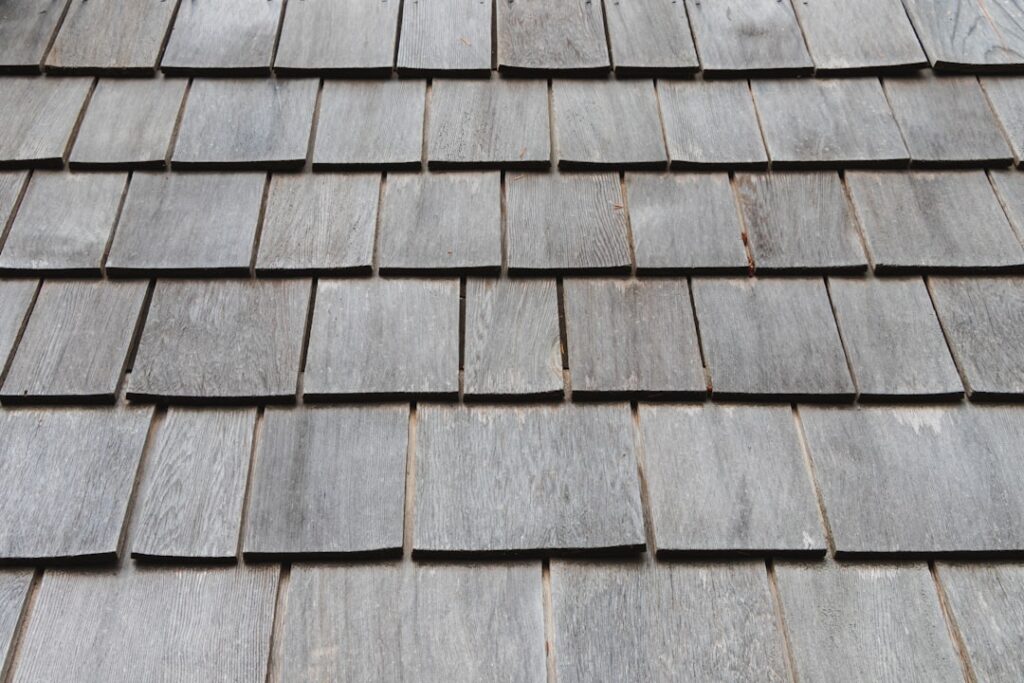
Homeowners who love the look of cedar shakes but not the upkeep have a better option today. Fiber cement shingle siding reproduces the texture and shadow lines of natural wood shingles while resisting fire, rot, insects, and warping. It has become a go-to choice for coastal cottages, Craftsman homes, and gable accents on modern builds. This guide explains what fiber cement shingles are made of, how they compare to alternatives, what installation and maintenance involve, and what you should budget.
Part of our Roofing guide — explore the full guide →
- What Fiber Cement Shingle Siding Is Made Of
- The Big Advantages
- How It Compares to Alternatives
- Finishes and Color Options
- Installation: Definitely a Pro Job
- Maintenance Requirements
- Cost Expectations
- Is It Right for Your Home?
- Panels vs. Individual Shingles
- Climate and Regional Considerations
- Fiber Cement Shake Siding: Edge Styles, Safe Cutting, and What to Check Before Tear-Off
What Fiber Cement Shingle Siding Is Made Of
Fiber cement is a composite of Portland cement, sand, cellulose fibers, and water, cured under pressure into rigid, dense panels and shingles. Brands such as James Hardie (HardieShingle), Allura, and Nichiha manufacture shingle-style products that come as individual pieces or, more commonly, as pre-spaced panels several shingles wide. The panel format speeds installation dramatically while still delivering the staggered, hand-laid look of individual shakes. The material is roughly five times heavier than wood, which is part of why it holds up so well but also why installation requires more labor.
The Big Advantages
Fiber cement shingles earn their popularity through a combination of durability and looks.
- Fire resistance: Fiber cement is noncombustible and carries a Class A fire rating, a major benefit in wildfire-prone regions where some insurers now favor it.
- Rot and insect proof: Unlike cedar, it will not feed termites or rot at the butt edges after years of rain.
- Weather stability: It resists warping, cracking, and cupping through freeze-thaw cycles and coastal humidity.
- Long life: Most manufacturers back the product with 30-year limited warranties, and it commonly lasts 40 to 50 years.
- Authentic texture: Molded wood-grain surfaces and staggered or straight-edge patterns mimic real shakes convincingly from the street.
How It Compares to Alternatives
Understanding the trade-offs helps you decide whether fiber cement is right for your project.
- Versus cedar shakes: Fiber cement wins on maintenance, fire, and pests but is heavier and lacks the fully three-dimensional depth of real wood. Cedar costs more over time due to re-staining.
- Versus vinyl shake siding: Vinyl is cheaper and lighter but can look plasticky, may crack in cold, and can melt near heat sources. Fiber cement looks more authentic and lasts longer.
- Versus engineered wood (LP SmartSide): Engineered wood is lighter and easier to cut, but fiber cement is noncombustible and more moisture-stable in wet climates.
Finishes and Color Options
You can buy fiber cement shingles two ways. Factory-primed products arrive ready for field painting, letting you pick any color but adding a painting step. Factory-finished lines, such as ColorPlus technology, come with a baked-on, UV-resistant coating in dozens of colors and a warranty on the finish itself, typically 15 years against fading and peeling. Factory finishes cost more up front but save labor and hold color far longer than field paint. If you go the primed route, use a high-quality 100 percent acrylic exterior paint and follow the manufacturer’s guidance on coverage.
Installation: Definitely a Pro Job
Fiber cement is heavier, harder, and more brittle than wood, and cutting it releases crystalline silica dust that requires respiratory protection. For those reasons, installation is best left to experienced crews. Key steps and requirements include:
- Installing a weather-resistive barrier (house wrap) over the sheathing.
- Using corrosion-resistant nails or screws driven to the correct depth, not overdriven, into studs or a solid nail base.
- Maintaining proper clearances from the roof, grade, and horizontal flashing, usually a minimum of 6 inches from grade and 2 inches from roofing.
- Flashing all windows, doors, and horizontal joints, and leaving room for caulk-free gaps where the manufacturer specifies.
- Cutting with dust-reducing shears, a scoring knife, or a saw fitted with a special fiber-cement blade and dust collection.
Improper nailing and missing flashing are the two most common installation failures, and both can void the warranty and let water behind the siding, so credentials and references matter when hiring.
Maintenance Requirements
One of the biggest selling points is low upkeep. Fiber cement does not need annual staining like cedar. A typical maintenance routine involves:
- Rinsing the siding once or twice a year with a garden hose and soft brush to remove dirt, pollen, and mildew.
- Inspecting and re-sealing caulk at joints and penetrations every few years.
- Repainting field-finished siding roughly every 10 to 15 years, though factory finishes stretch that interval much longer.
- Checking for chips or cracks after storms and touching them up to keep moisture out.
Avoid pressure-washing at high settings, which can force water behind the shingles and damage the finish; a low-pressure rinse is safer.
Cost Expectations
Fiber cement shingle siding sits in the mid-to-upper range for siding materials. Installed, most homeowners pay roughly $6 to $13 per square foot including labor, with factory-finished and full-shingle looks landing at the higher end. For a 2,000-square-foot exterior, a full residing project commonly runs $18,000 to $35,000 depending on region, home complexity, trim details, and whether old siding must be removed. Material alone runs about $2 to $6 per square foot. While the up-front cost exceeds vinyl, the long lifespan, low maintenance, and strong resale value often make it the more economical choice over the decades you own the home.
Is It Right for Your Home?
Fiber cement shingle siding is an excellent fit if you want the charm of cedar shakes without the maintenance, live in a wildfire or coastal zone, or plan to stay in the home long enough to benefit from its longevity. It shines as a full-house siding or as an accent on gables, dormers, and entryways paired with lap siding elsewhere. The main considerations are the higher up-front price and the need for a skilled installer who follows the manufacturer’s nailing and flashing details to the letter.
Panels vs. Individual Shingles
One decision that affects both cost and appearance is whether to use panelized shingles or individual pieces. Panelized products, where several shingles are molded into one board a few feet wide, install much faster because the crew hangs one panel instead of dozens of small shingles. They still deliver a staggered, textured look from the street and are the most common and economical choice for full-house applications. Individual shingles, applied one at a time like real cedar shakes, give the most authentic depth and let you create custom patterns, decorative half-rounds, or scalloped courses, but they take far more labor and therefore cost more. Many homeowners split the difference, using panels across the main walls and individual or specialty-shaped shingles on a gable or entry as an accent.
Climate and Regional Considerations
Fiber cement performs well almost everywhere, but a few regional factors are worth noting. In wet, humid, and coastal climates, its rot and moisture resistance is a major asset, though proper flashing and clearances remain essential to keep water from getting behind it. In freeze-thaw regions, its dimensional stability resists the cracking that plagues some materials, provided it was installed with correct fastening and gapping. In wildfire-prone areas of the West, the noncombustible Class A rating is often the deciding factor, and some communities and insurers specifically favor or require fire-resistant siding. The material’s weight means it holds up to high winds well, another plus in storm-prone regions. Whatever your climate, following the manufacturer’s specific installation instructions for clearances, flashing, and fastening is what unlocks the material’s full durability and keeps the warranty intact.
For homeowners weighing curb appeal against long-term hassle, fiber cement shingle siding delivers a rare combination: the timeless texture of wood shakes with the durability, fire resistance, and low maintenance of a modern engineered product. Pay for a quality factory finish and a proven installer, keep up with the light annual cleaning, and this siding will protect and beautify your home for decades with minimal fuss.
Fiber Cement Shake Siding: Edge Styles, Safe Cutting, and What to Check Before Tear-Off
Shoppers often search for fiber cement shake siding and fiber cement shingle siding as if they were two products. In practice the terms overlap: “shake” usually describes a thicker, rougher, split-wood texture, while “shingle” suggests a smoother, sawn look. Both come as individual pieces or as panels, and the texture you pick changes the character of the house more than most people expect, so look at full-size samples outdoors in morning and afternoon light before ordering.
Staggered Edge or Straight Edge
The bottom edge of each course sets the style. A staggered edge varies the length of neighboring shakes, which casts an irregular shadow line and reads as rustic, coastal, or cottage. A straight edge keeps every butt aligned, giving a crisper, more tailored look that suits Colonial, Cape Cod, and modern farmhouse homes. Staggered patterns hide minor wall irregularities better; straight edges demand a flatter wall and tighter layout, because any wander in a course line is obvious from the street.
Installation Details That Protect the Wall
- Housewrap first, lapped correctly: upper sheets overlap lower ones shingle-style so water that gets behind the siding drains out rather than into the sheathing.
- Snap level course lines: shakes and panels follow chalk lines, not the soffit or the previous course, so small errors never compound.
- Stagger panel joints: offset vertical joints between rows and back them with flashing where the maker requires it.
- Keep ladders and staging solid: fiber cement is heavy and awkward overhead, so crews should work from stable scaffolding or pump jacks, set ladders on firm, level footing, and never carry full panels up a ladder one-handed.
Controlling Silica Dust
Cutting releases respirable crystalline silica, which can cause lasting lung disease. The safest approach is to score and snap or use electric or manual shears, which make chips instead of fine dust. When a saw is unavoidable, use a fiber cement blade with a shroud connected to a vacuum, or a wet-cutting method, and cut outdoors with the wind at your back. Anyone cutting should wear at least a fit-tested N95 respirator, with a P100 cartridge respirator the better choice for extended sawing. Never dry-sweep the dust; mist it and vacuum with a HEPA filter.
Check the Old Siding Before Removal
Homes built before about 1980 may already have cement siding, and older cement shingles often contained asbestos. They look similar to modern fiber cement but tend to be brittle, thin, and embossed with a uniform pattern. Do not break, drill, sand, or pressure-wash suspect shingles. Have a sample tested by an accredited lab, and if asbestos is confirmed, hire a licensed abatement contractor or ask whether local rules allow covering it in place.