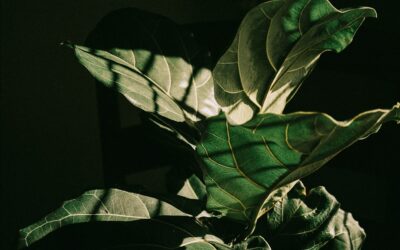
Few houseplants generate as much Instagram envy or as many dead specimens as the fiddle leaf fig. The plant has a reputation for being dramatic, but most failures trace to two or three predictable mistakes rather than any inherent diva tendencies. Done right, a healthy fiddle leaf fig indoor can grow from a 2-foot starter into an 8-foot statement tree within five years. The trick is matching its native rainforest habits to your living room.
Part of our Windows & Doors guide — explore the full guide →
Light Is Non-Negotiable
The single most important factor is bright, indirect light for at least 6 hours per day. East-facing windows are ideal because they get strong morning light without the harsh afternoon sun that scorches leaves. South-facing windows work too, but pull the plant 3-5 feet back from the glass.
If you cannot provide that much natural light, supplement with a full-spectrum LED grow light like the Soltech Aspect ($150-200) running 8-10 hours daily. A fiddle in a dark corner will drop leaves within months, and once gone, those bare lower stems do not regrow leaves easily.
Watering Without Drowning the Roots
Overwatering kills more fiddles than any other cause. The root system needs to dry partially between waterings to stay healthy. Use this method:
- Check moisture by sticking your finger 2 inches into the soil
- Water only when the top 2 inches are completely dry
- Pour water slowly until it drains from the bottom of the pot
- Empty the saucer within 15 minutes; never let roots sit in water
- Wait at least 7-10 days between waterings in most homes
Soggy soil leads to root rot, which shows up as brown spots starting from the leaf edges and spreading inward. By the time you notice, you may have lost half the root mass.
Humidity and Temperature Sweet Spot
Fiddles thrive in 40-65% humidity and 65-75°F. Most American homes run at 25-35% humidity in winter, especially when forced air heat is on. A small humidifier near the plant ($30-60) makes a noticeable difference. So does grouping it with other plants, which create a microclimate of higher humidity.
Keep the plant away from heating vents, AC registers, fireplaces, and exterior doors. Sudden temperature swings cause leaves to drop, sometimes overnight.
Choosing the Right Pot and Soil
Use a pot with drainage holes; this is non-negotiable. The decorative pot can sit inside a planter that hides the practical one. Size matters: choose a pot 1-2 inches larger in diameter than the current root ball, never bigger. Oversized pots hold too much moisture and rot the roots.
For soil, use a chunky, well-draining mix. The standard recipe is two parts indoor potting mix, one part orchid bark, and one part perlite. Pre-mixed fiddle leaf fig soil from Rooted or Soil Sunrise costs $15-25 a bag and saves time.
Diagnosing Common Problems
Most issues show up on the leaves first. Use this quick reference:
- Brown spots with dark centers: overwatering or root rot
- Brown crispy edges: underwatering or low humidity
- Yellow leaves dropping: too much water or insufficient light
- Pale, washed-out leaves: too much direct sun
- White or fuzzy spots: mealybugs or powdery mildew
- Sticky residue: scale insects, treat with neem oil
For pest issues, wipe leaves with diluted neem oil weekly until the problem clears, usually 3-4 weeks.
Fertilizing for Steady Growth
Feed during the active growing season (March through October) with a fertilizer formulated for fiddles. Fiddle Leaf Fig Plant Food from Houseplant Resource Center ($15) is designed at the right NPK ratio (3-1-2). Dilute according to the label and apply with regular watering every 2-4 weeks.
Pause fertilizing in winter when growth slows. Overfeeding burns roots and causes yellow leaves with green veins.
Pruning and Shaping
Once a fiddle reaches 4-5 feet, you can prune to encourage branching. Make clean cuts just above a node using sharp pruning shears. Within 4-8 weeks, the plant should push out two new branches from each cut, transforming a single-stem tree into a fuller specimen.
Sap from cut stems is mildly toxic and can irritate skin. Wear gloves and wipe down floors immediately if drips occur.
Repotting Schedule
Repot every 2-3 years in early spring before active growth begins. Signs it is time include roots circling the pot, water running straight through without absorbing, or visibly stunted growth. Use fresh soil and increase pot size by only 1-2 inches diameter.
For mature trees too large to repot, top-dress instead. Scrape off the top 2 inches of old soil and replace with fresh mix. This refreshes nutrients without the stress of full repotting.
Final Tips for Long-Term Success
Rotate the plant a quarter turn every couple of weeks so all sides get equal light. Wipe dust off the large leaves monthly with a damp microfiber cloth; dust blocks photosynthesis on plants this size. And resist the urge to move the plant frequently. Fiddles hate change, and even rotating to a new room can trigger leaf drop until they acclimate.
With consistent care, your fiddle leaf fig indoor specimen can outlive most of your other furnishings and become the architectural focal point you bought it to be.