Few outdoor materials photograph as beautifully as natural stone, which is why browsing flagstone patio pictures is the first step for so many homeowners planning a backyard upgrade. The irregular shapes, earthy colors, and organic texture of flagstone create a patio that feels rooted in the landscape rather than dropped on top of it. Because every slab is unique, no two flagstone patios look alike. This guide walks through the stone types, patterns, joints, and color choices behind the images you’ve been saving, so you can picture the right look for your own yard.
- What Flagstone Actually Is
- Popular Flagstone Types and Their Looks
- Layout Patterns That Define the Style
- Joint Options Change Everything
- Color and Texture Pairings
- Design Features Worth Noticing
- Things to Keep in Mind Before You Build
- Sizing and Scaling the Stones
- Maintenance and Longevity
- Turning Inspiration Into Your Patio
What Flagstone Actually Is
Flagstone is a broad term for flat, naturally split sedimentary rock cut into slabs for paving. It isn’t a single stone but a category that includes sandstone, slate, limestone, bluestone, quartzite, and others. The slabs are typically 1 to 3 inches thick and come in irregular, freeform shapes or cut into rectangles. That natural variation is exactly what gives flagstone its handcrafted, timeless appeal in photos and in person.
Popular Flagstone Types and Their Looks
The stone you choose drives the entire color story of your patio. The most common options include:
- Bluestone: A dense sandstone known for its blue-gray to subtle lilac and tan tones, giving a refined, cool look popular in the Northeast.
- Sandstone: Warm tones of buff, tan, gold, and rust with visible grain, creating an inviting, traditional feel.
- Slate: Rich charcoal, gray, green, and multicolor blends with a slightly cleft texture and dramatic depth.
- Limestone: Soft, even tones of gray, cream, and beige for a clean, understated patio.
- Quartzite: Hard, sparkling slabs in silvers, golds, and grays that shimmer in sunlight.
Layout Patterns That Define the Style
The way the stones are arranged changes the entire mood of the patio. When you study flagstone patio pictures, notice the layout:
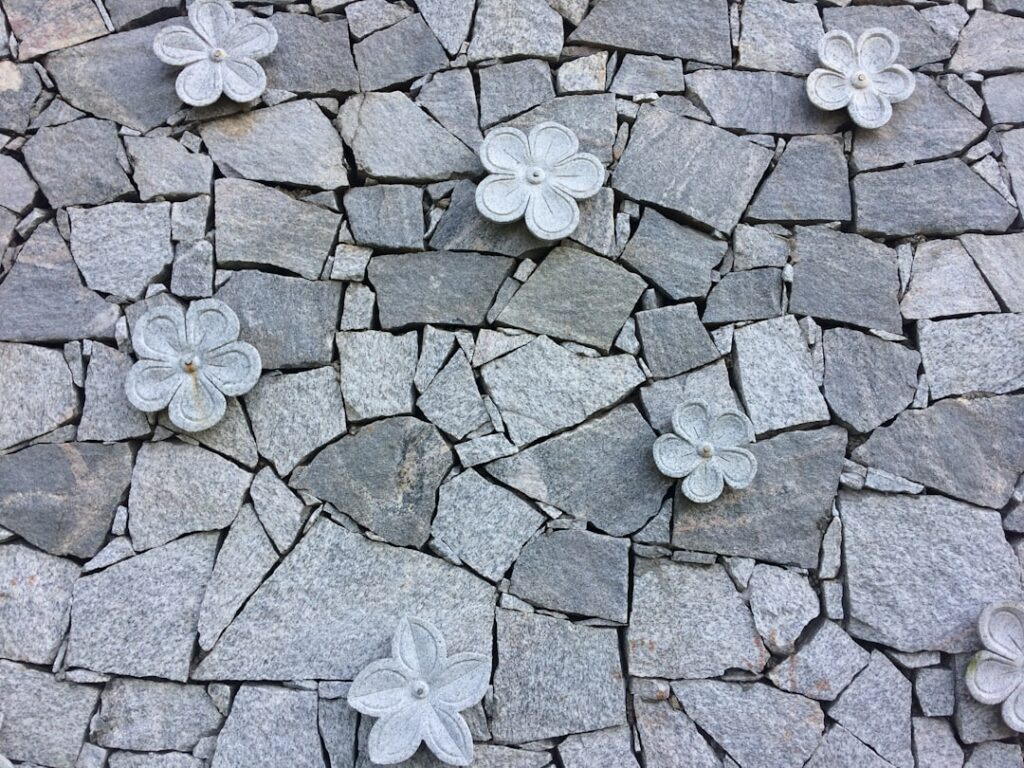
- Irregular (random) flagstone: Freeform pieces fitted together like a puzzle for the most natural, organic look. This is the classic flagstone image.
- Cut or dimensional flagstone: Rectangular slabs laid in a more structured grid or running-bond pattern for a cleaner, contemporary feel.
- Mixed-size patterns: A planned mix of large and small rectangles, sometimes called Ashlar or random-rectangular, that balances order with variety.
- Stepping-stone style: Individual flagstones set into gravel, grass, or groundcover for a relaxed, garden-path effect.
Joint Options Change Everything
What goes between the stones is as important to the final look as the stones themselves. There are two broad approaches. A mortared (wet-laid) flagstone patio sets the stone over a concrete base with mortar in the joints, producing crisp, defined lines and a solid, formal surface. A dry-laid patio sets flagstone over compacted gravel and sand, with joints filled by sand, fine gravel, or planting. Dry-laid joints filled with creeping groundcover like thyme or moss create the lush, storybook patios you often see in inspiration photos. The joint color and width dramatically affect how unified or rustic the surface appears.
Color and Texture Pairings
Flagstone’s natural palette lets you tie the patio to your home and garden. Cool bluestone and gray slate pair beautifully with modern and traditional homes alike and complement green landscaping. Warm sandstone tones flatter brick, stucco, and earth-toned siding, creating a cohesive, sun-washed feel. For visual interest, many designers mix complementary stone colors or pair flagstone with contrasting borders, such as a brick or cut-stone edge that frames the irregular field stones.
Design Features Worth Noticing
The best flagstone patio pictures usually include details that elevate the space beyond a plain paved area. Look for built-in fire pits surrounded by flagstone seating, low stone retaining walls that double as benches, integrated planting pockets that soften the hardscape, and curved or organic patio edges that follow the contours of the yard. Steps and landings built from the same flagstone create a seamless flow between levels. These features are what transform a simple patio into a genuine outdoor room.
Things to Keep in Mind Before You Build
As inspiring as the photos are, flagstone has practical considerations. The irregular surface and joints can make patio furniture wobble, so cut or dimensional flagstone is friendlier for dining areas. Some stones get hot underfoot in full sun or slick when wet, depending on the type and finish. Proper base preparation is essential for a patio that stays level for decades, and natural stone generally costs more than concrete pavers. Sealing can deepen the color and protect porous stones like sandstone.
Sizing and Scaling the Stones
One detail that quietly determines whether a patio looks high-end is the scale of the individual stones relative to the space. Large slabs create a calm, contemporary, expansive feel and suit bigger patios, while smaller, more numerous pieces read as busier and more rustic. The most polished irregular flagstone patios use a deliberate mix, large anchor stones broken up by smaller fitted pieces, with consistent joint widths throughout. Avoid an even checkerboard of identical sizes, which looks manufactured, and steer clear of too many tiny slivers, which weaken the surface and collect debris. A good installer hand-selects and fits the pieces like a puzzle for natural-looking variety.
Maintenance and Longevity
A flagstone patio is built to last, but a little upkeep keeps it looking like the inspiration photos. Sweep regularly and rinse off dirt to prevent staining and algae, especially on shaded north-facing patios. Sealing porous stones like sandstone enriches the color and adds protection, though many homeowners prefer to leave the stone natural for a more weathered look. On dry-laid patios, top up the joint sand or gravel as it settles, and replant or weed planted joints seasonally. Reset any stone that becomes wobbly by lifting it and adding or leveling the bedding sand underneath, which keeps the surface safe and even for years.
Turning Inspiration Into Your Patio
Use the images you love as a starting point, then narrow your choices by stone type, layout pattern, and joint style to match your climate, budget, and how you’ll use the space. Order full-size samples and view them in your own light and against your home before committing, since photos can shift color. With the right combination of stone, pattern, and joints, the flagstone patio pictures that caught your eye can become a one-of-a-kind outdoor living space that looks like it has always belonged in your yard.