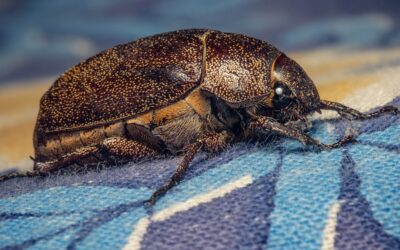
Fleas spend only a fraction of their life on your pet. The rest of the time, eggs, larvae, and pupae hide deep in your carpet fibers, which is why a host animal alone is never the whole problem. Flea powder for carpet targets those hidden stages directly in the flooring, breaking the cycle that keeps an infestation going. Used correctly and safely, it is a useful part of a flea-control plan, but it works best alongside treating the pet and the rest of the home.
How Carpet Flea Powders Work
Most carpet flea powders rely on one of two approaches. Some use insecticides that kill adult fleas on contact. Others, or the same products, include an insect growth regulator that stops eggs and larvae from developing into biting adults. Many formulas also contain desiccants that dry out and damage the fleas’ protective coating.
You sprinkle the powder onto the carpet, work it into the fibers, leave it for the time the label specifies, then vacuum it up. The powder reaches the deep layers where vacuuming alone does not eliminate the problem.
Safety First: Read the Label
Flea powders are pesticides, so safe use is not optional. Always follow the product label and any EPA directions exactly, including the recommended amount, dwell time, and ventilation. The label is the legally binding instruction set, and it overrides any general advice.
- Apply the powder to the carpet only, never directly to a pet, unless the product is specifically labeled for use on animals.
- Keep children and pets out of the treated room until the powder has been worked in and fully vacuumed up.
- Ventilate the area by opening windows and running a fan during application and afterward.
- Wear gloves and a dust mask if the label recommends it, and wash your hands when finished.
- Store the container sealed and out of reach of children and pets.
Step-by-Step Application
A careful, methodical approach gets the best results and the lowest exposure.
- Vacuum the carpet thoroughly first to lift fibers and remove debris, then empty the canister or seal and discard the bag outside.
- Remove or relocate pets, children, and food items from the room.
- Sprinkle the powder evenly according to the label, focusing on baseboards, under furniture, and pet resting spots where fleas concentrate.
- Use a soft brush or broom to work the powder into the carpet base if the label directs it.
- Leave it for the full dwell time stated on the label, keeping the room ventilated and off-limits.
- Vacuum thoroughly again, then dispose of the contents outdoors immediately.
Treating the Whole Cycle
Powdering the carpet alone rarely solves an infestation. Flea eggs hatch over days and weeks, so you will likely need to repeat treatment based on the label schedule, often every week or two for a month. Wash all pet bedding in hot water, and vacuum daily during the worst of an outbreak to capture newly emerged fleas.
Critically, treat the pet too. Carpet powder does not protect your animal. For the pet itself, talk to a veterinarian about a safe, vet-recommended flea control product. Treating the home and the pet at the same time is the only reliable way to break the cycle.
When to Call a Professional
If you have applied powder, washed bedding, vacuumed daily, and still see fleas after several weeks, the infestation may be beyond a DIY fix. A licensed pest control professional has stronger tools and can treat the whole home systematically. For severe or persistent cases, bringing in a pro often saves time and frustration.
For your pet’s health, a vet visit is the right call if your animal is scratching heavily, losing hair, or showing signs of skin irritation or fleabite allergy. Fleas can carry other parasites, so a professional check is worthwhile.
Understanding the Flea Life Cycle
To know why one treatment is not enough, it helps to understand the four stages of a flea’s life: egg, larva, pupa, and adult. The biting adults you see are only a small fraction of the total population. The rest, especially eggs and pupae, hide deep in your carpet, bedding, and cracks where treatments do not always reach.
The pupa stage is the toughest, because the protective cocoon resists many insecticides and can lie dormant for weeks before hatching. This is exactly why fleas seem to come back after a single treatment. New adults emerge from pupae that survived, which is why repeated applications over several weeks, combined with frequent vacuuming, are necessary to break the cycle for good.
Natural and Alternative Options
Some homeowners prefer to start with gentler approaches before reaching for chemical powders. Frequent, thorough vacuuming is genuinely one of the most effective tools, since it removes eggs, larvae, and food debris and can even trigger pupae to hatch so they are exposed to treatment. Washing all bedding in hot water on a regular schedule is equally important.
Products marketed as natural, such as certain plant-based powders, vary widely in effectiveness and still require careful use around pets and children. Diatomaceous earth is sometimes used, but it must be a food-grade product applied carefully to avoid inhalation, and it still calls for the same label-reading caution as any treatment. Whatever you choose, no carpet product replaces treating the pet itself with a vet-recommended product.
Limitations to Keep in Mind
Some carpet manufacturers caution against powders that can leave residue or, in rare cases, affect fibers or warranties, so check your carpet’s care guidance first. Powders also do little for fleas living in furniture, hard floors, and outdoor areas, which is why a comprehensive plan beats any single product.
Outdoor sources matter too. If your pet spends time in the yard, fleas can re-enter the home no matter how well you treat the carpet. Keeping grass trimmed, clearing leaf litter where fleas thrive, and discussing yard treatment with a professional can stop reinfestation at the source. Without addressing every stage and location, even the best carpet powder offers only temporary relief.
Final Thoughts
Flea powder for carpet is a helpful tool for reaching the hidden stages of an infestation, but only when used exactly as labeled and as part of a broader plan. Apply it to carpet and not to pets, keep kids and animals away until vacuumed, ventilate well, and repeat as directed. Treat your pet with a vet-recommended product, and call a professional if the problem persists.
Prefer to explore on your own?
See how new flooring looks in your actual room in seconds — free, no signup.
Try the free Floor Studio →