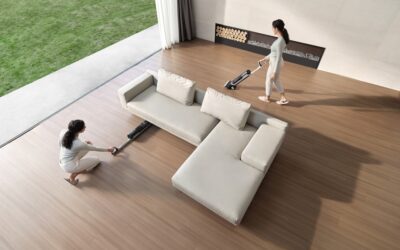
A good floor cleaner machine takes the effort out of keeping your home spotless. Whether you have hardwood, tile, vinyl, or a mix of surfaces, the right machine can cut your cleaning time in half while delivering better results than a traditional mop and bucket. With so many categories to choose from — steam mops, wet-dry vacuums, spin mops, scrubbers, and robots — finding the right one can feel overwhelming.
- Types of Floor Cleaner Machines
- Steam Mops
- Hard Floor Wet-Dry Vacuums
- Spin Mops (Electric)
- Robotic Floor Cleaners
- Floor Scrubbers
- Carpet Cleaners
- How to Choose the Right Floor Cleaner Machine
- Consider Your Primary Floor Type
- Tank Size and Runtime
- Corded vs. Cordless
- Self-Cleaning Features
- Noise Level
- Weight and Maneuverability
- Top Features to Look For
- Floor Cleaner Machine Price Ranges
- Tips for Getting the Best Results
- Common Mistakes to Avoid
- Final Thoughts
This guide breaks down every major type of floor cleaner machine, explains which floors each one works best on, and helps you choose the right tool for your home.
Types of Floor Cleaner Machines
Steam Mops
Steam mops heat water to produce steam that sanitizes and cleans hard floors without chemicals. They are lightweight, easy to use, and effective at loosening stuck-on grime. A steam mop can kill up to 99.9 percent of common household bacteria, making it a favorite for families with young children or pets.
Best for: Tile flooring, sealed concrete flooring, and sealed natural stone.
Avoid on: Hardwood flooring, laminate flooring, and unsealed wood or stone. The heat and moisture can damage these surfaces, causing warping, swelling, or finish deterioration.
Hard Floor Wet-Dry Vacuums
These all-in-one machines vacuum dry debris and wash the floor simultaneously. They dispense clean solution, scrub the surface, and suction up the dirty water in a single pass. Models like the Bissell CrossWave, Tineco Floor One, and Dreame H-series have made this category extremely popular.
Best for: All sealed hard floors including hardwood, vinyl flooring, tile, and laminate. Some models include brush rolls specifically designed for different surfaces.
Avoid on: Unsealed wood, unfinished concrete, and deep-pile carpet (though some models have carpet-capable modes).
Spin Mops (Electric)
Electric spin mops use rotating microfiber pads to scrub floors while dispensing a controlled amount of cleaning solution. They are lighter than wet-dry vacuums and more affordable, making them a good mid-range option for everyday cleaning.
Best for: All hard floors when used with appropriate cleaning solution.
Avoid on: Floors that cannot tolerate any moisture.
Robotic Floor Cleaners
Robot vacuums have evolved to include mopping capabilities. Models from iRobot, Roborock, Ecovacs, and Dreame can vacuum and mop in a single pass, navigate room layouts using lidar or cameras, and auto-empty their dustbins. Some advanced models even wash and dry their own mop pads.
Best for: Daily maintenance of all hard floors. Robots excel at keeping floors consistently clean with minimal human effort.
Limitations: Robots cannot deep clean as effectively as manual machines. They work best as a supplement to periodic deep cleaning rather than a complete replacement.
Floor Scrubbers
Commercial-style floor scrubbers use rotating brushes or pads with cleaning solution to deep clean large areas. Residential versions are available from brands like Kärcher and Oreck. They are powerful but bulky and best suited for homes with large expanses of hard flooring.
Best for: Tile, epoxy flooring, sealed concrete, and other durable hard surfaces.
Avoid on: Hardwood and laminate, where aggressive scrubbing can damage the finish.
Carpet Cleaners
If your home includes carpet flooring, a dedicated carpet cleaner uses hot water extraction to deep clean carpet fibers. Upright carpet cleaners from Bissell and Hoover handle whole-room cleaning, while portable spot cleaners tackle stains and high-traffic areas.
How to Choose the Right Floor Cleaner Machine
Consider Your Primary Floor Type
The most important factor is matching the machine to your flooring. Here is a quick reference:
- Hardwood: Wet-dry vacuum with a soft brush roll and controlled moisture output. Avoid steam mops.
- Laminate: Wet-dry vacuum on a low-moisture setting or electric spin mop with minimal water. Avoid steam and excessive wetness.
- Vinyl and LVP: Almost any floor cleaner machine works well. Vinyl is water-tolerant, so steam mops, wet-dry vacuums, and spin mops are all good choices.
- Tile and grout: Steam mops and floor scrubbers excel at cleaning grout lines. Wet-dry vacuums handle everyday tile cleaning efficiently.
- Natural stone: Wet-dry vacuum with a pH-neutral solution. Avoid acidic cleaners and excessive steam.
Tank Size and Runtime
Larger clean-water tanks mean more cleaning time between refills. If you have a large home, look for machines with at least a 28-ounce clean tank. Cordless models should offer at least 25 to 35 minutes of runtime per charge.
Corded vs. Cordless
Cordless machines offer freedom of movement and no cord to manage, but they have limited runtime and may lose suction as the battery drains. Corded machines provide consistent power but require access to outlets and managing the cord around furniture.
Self-Cleaning Features
Many modern wet-dry vacuums include a self-cleaning cycle that flushes the brush roll and internal plumbing with clean water. This is a valuable feature that prevents odor buildup and extends the life of the machine. Some high-end models also dry the brush roll with hot air after self-cleaning.
Noise Level
If you live in an apartment or have noise-sensitive family members, check the decibel rating. Wet-dry vacuums can be loud (70 to 80 dB), while robotic cleaners are much quieter (55 to 65 dB).
Weight and Maneuverability
Consider how heavy the machine is and whether it needs to be carried up stairs. Stick-style wet-dry vacuums typically weigh 10 to 15 pounds when full. Steam mops are lighter at 5 to 8 pounds. Floor scrubbers can exceed 20 pounds.
Top Features to Look For
- Adjustable suction and water flow: Allows you to customize the machine for different surfaces and soil levels.
- LED headlight: Illuminates debris and dirty spots under cabinets and furniture.
- Edge cleaning: Some machines clean right up to baseboards and cabinet toe kicks.
- Separate clean and dirty water tanks: Ensures you are always cleaning with fresh solution.
- Replaceable brush rolls and pads: Easy availability of replacement parts keeps the machine effective long term.
- Smart sensors: Advanced models adjust suction and water based on detected soil level.
Floor Cleaner Machine Price Ranges
- Steam mops: $30 to $150
- Electric spin mops: $50 to $200
- Wet-dry vacuums (corded): $100 to $350
- Wet-dry vacuums (cordless): $200 to $600
- Robotic mops/vacuums: $200 to $1,500
- Floor scrubbers: $150 to $500
- Carpet cleaners: $100 to $400
Tips for Getting the Best Results
- Always vacuum or sweep before wet cleaning to remove loose debris
- Use the manufacturer’s recommended cleaning solution or a pH-neutral alternative
- Do not oversaturate the floor — more water does not mean cleaner
- Clean the machine after every use to prevent mold and odor
- Replace brush rolls and filters according to the maintenance schedule
- Test any new machine or cleaning solution in an inconspicuous area first
Common Mistakes to Avoid
- Using a steam mop on hardwood or laminate floors
- Letting dirty water sit in the tank for days between uses
- Using vinegar, bleach, or other harsh chemicals in machines designed for proprietary solutions
- Running a wet-dry vacuum on carpet mode over hard floors or vice versa
- Ignoring the self-cleaning cycle and wondering why the machine smells
Final Thoughts
The right floor cleaner machine makes a real difference in how your floors look and how much time you spend cleaning. For most households with mixed hard floors, a cordless wet-dry vacuum offers the best balance of convenience, performance, and versatility. Add a robot for daily maintenance and a steam mop for tile-heavy areas, and you have a cleaning setup that handles virtually any floor in your home with minimal effort.
Prefer to explore on your own?
See how new flooring looks in your actual room in seconds — free, no signup.
Try the free Floor Studio →