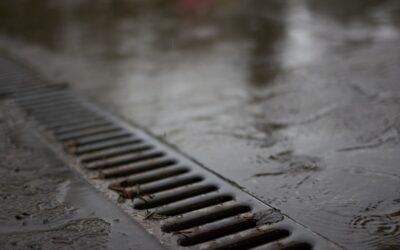
That small grate in your basement, garage, or laundry room does more work than it gets credit for, and replacing it is one of the simplest fixes in the house. A floor drain cover is the grate or plate that sits over a floor drain, letting water pass through while blocking debris, catching small objects, and helping keep sewer gas and pests out of your living space. Covers rust, crack, and go missing over the years, and a damaged or absent one invites clogs, odors, and tripping hazards. The right replacement usually costs $10 to $40 and installs in minutes.
What a Floor Drain Cover Does
At its most basic, the cover is a strainer. The slots or holes let water drain while stopping leaves, lint, hair, and larger debris from washing into the pipe and causing a clog. A good cover also provides a flush, safe walking surface so no one catches a foot on an open hole. Many drains pair the cover with a trap below it that holds water to block sewer gas, and keeping the cover in place protects that system from debris that would otherwise foul it.
In garages and utility areas the cover also keeps out larger items and gives the drain a finished look instead of a gaping hole in the slab.
Common Types of Floor Drain Covers
Covers come in several styles to match where and how the drain is used.
- Round grate covers: The most common, sized to standard pipe and drain bodies, with slots or a grid pattern.
- Square and rectangular grates: Used with square drain bodies and trench drains.
- Strainer baskets: A cup-shaped insert that catches debris below the surface and lifts out for cleaning, common in shower and basement drains.
- Trench or channel grates: Long covers for the linear drains found in garages, basements, and curbless showers.
- Snap-in or screw-down covers: Secured versions for areas where a loose cover could shift or be a hazard.
Some covers also include a backflow or odor-blocking element designed to reduce sewer smell, which can help in drains that rarely run and lose their trap water.
Materials and Durability
Material affects both looks and lifespan. Cast iron is heavy-duty and traditional but can rust over time. Stainless steel resists corrosion and is the go-to for damp areas and a clean modern look. Brass and bronze offer a decorative finish for visible locations. Plastic and PVC covers are inexpensive and rustproof, well suited to laundry rooms and out-of-sight utility drains, though they are not as rugged underfoot as metal.
For garages or anywhere a vehicle might roll over the drain, choose a heavy cast iron or load-rated metal cover; a light plastic grate will crack under that weight.
Measuring for a Replacement
The single most important step is getting the size right. Measure the diameter or the length and width of the existing cover, and note how it sits in the drain. Round covers are sold by their outer diameter, commonly in sizes from about 4 to 8 inches and up. Also note the attachment method: some drop in loosely, some snap into the drain body, and others thread onto a center screw or bolt to the rim.
If the old cover is gone, measure the inside of the drain opening and the lip it must rest on. Taking a photo and the measurements to the store, or matching the drain manufacturer if it is stamped on the body, makes finding the right fit much easier.
How to Replace a Floor Drain Cover
This is a straightforward DIY task in most cases.
- Remove the old cover, lifting it out or unscrewing the center fastener. Use penetrating oil on rusted screws and let it sit.
- Clean the drain opening, clearing debris and scrubbing the lip so the new cover seats flat.
- Check the trap water if the drain has a sewer smell; pouring a quart of water down a dry trap often fixes the odor.
- Set the new cover in place, confirming it sits flush and does not rock.
- Secure it with the snap, screw, or bolt if the style requires it.
Where Floor Drain Covers Are Used
These covers show up in more places than most homeowners realize, and the location should guide your choice. In basements, the floor drain catches water from a leaking water heater, washing machine, or seepage, and it usually needs a sturdy, debris-resisting cover plus a trap that stays primed. In garages, the drain handles melting snow, washdown water, and the occasional spill, so a heavy cast iron or load-rated cover that can take vehicle weight is the right call. Laundry rooms and utility areas often use simple, inexpensive covers because the loads are light and the drain is out of the way.
Showers and wet rooms use specialized strainer covers that catch hair while blending with the tile, and commercial kitchens rely on large grate or trench covers that handle heavy water flow and frequent cleaning. Matching the cover to the demands of its location, foot traffic, vehicle weight, water volume, and looks, ensures it performs and lasts.
Solving a Slow or Smelly Drain
A floor drain that backs up or smells almost always traces to one of two causes, and both are usually fixable without a plumber. A slow drain is most often clogged with the hair, lint, and grit that the cover is meant to catch; lifting the cover and clearing the debris, then flushing with water, restores flow. If the clog is deeper, a small drain snake reaches what your hands cannot. A smell, by contrast, usually means the trap below has dried out and lost its water seal, letting sewer gas rise; pouring a quart or two of water down the drain refills the trap and clears the odor. For drains used rarely, doing this monthly prevents the problem entirely.
Maintenance and Odor Control
Lift and clean the cover periodically to clear trapped hair and lint, which is the most common cause of slow basement and laundry drains. If a rarely used drain smells, the trap below has likely dried out; pour water down it monthly to keep the seal. For persistent sewer odor even with water in the trap, a cover with a built-in odor barrier or a separate trap primer can help, and a recurring smell may warrant a plumber’s look.
The Bottom Line
A floor drain cover is a small part that quietly prevents clogs, odors, and trip hazards. Measure carefully, pick a material that matches the location and the loads it will face, and choose the attachment style your drain uses. Replacement is quick and inexpensive, so there is no reason to live with a cracked, rusted, or missing cover.
Prefer to explore on your own?
See how new flooring looks in your actual room in seconds — free, no signup.
Try the free Floor Studio →