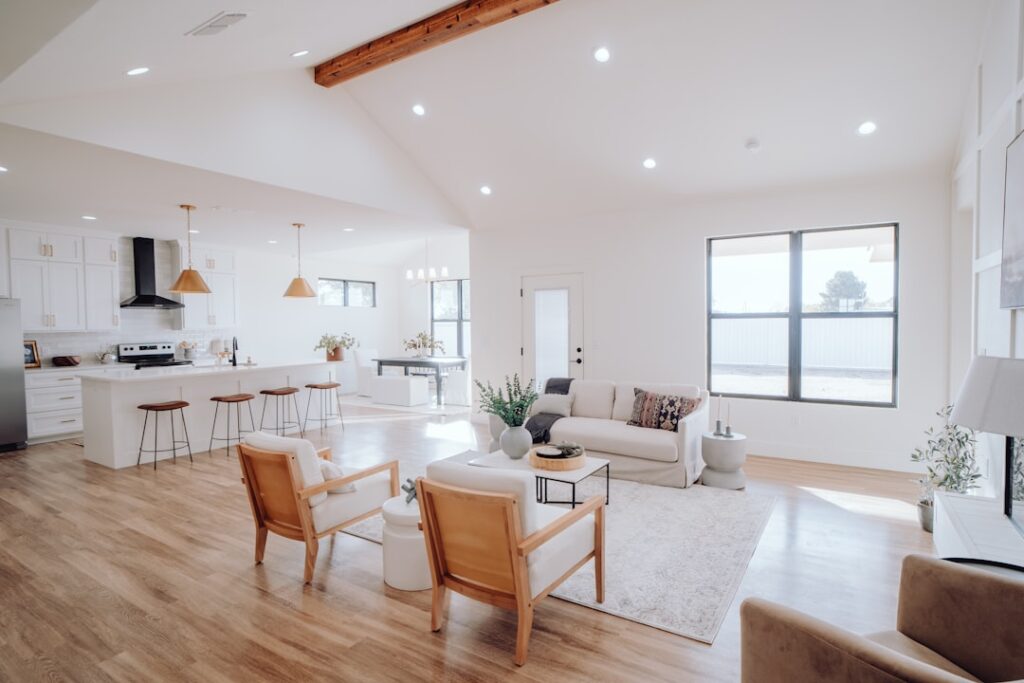
A good entrance mat is the cheapest insurance policy you can buy for hardwood, LVP, and tile floors. The Carpet and Rug Institute estimates that an effective mat system captures up to 85 percent of tracked-in dirt and moisture before it reaches interior flooring — saving you thousands in eventual refinishing and replacement. The right floor mats for home entrance are not just decorative — they need a coarse scraper outside, an absorbent mat inside, and the right backing to stay put without staining the floor underneath. Here is how to build a two-mat system that lasts a decade.
- The Three-Mat Rule (Or At Minimum, Two)
- Outdoor Scraper Mats: Materials Compared
- Indoor Mats: Absorbency Is the Priority
- Sizing for Real Coverage
- Brand Spotlight: Where to Buy
- Backing Materials That Stay Put Without Staining
- Cleaning and Maintenance
- Pricing the Full System
- Climate-Specific Mat Recommendations
- Common Mistakes to Avoid
The Three-Mat Rule (Or At Minimum, Two)
Commercial facilities use a three-mat system, and it works at home too:
- Outdoor scraper mat: Coarse rubber or coir to knock off dirt, snow, and grit
- Threshold wiper mat: Just inside the door — finer nap to grab remaining moisture
- Interior runner: Optional but ideal — captures the last of the moisture before foot traffic hits hardwood
If budget only allows two mats, run one coarse outside and one absorbent inside. Skipping either step lets fine grit grind into your finish like sandpaper.
Outdoor Scraper Mats: Materials Compared
Outdoor mats live in UV and weather, so material matters:
- Rubber scraper (recycled tire): $25 to $80 — handles snow, mud, and salt. Heaviest and most durable. Look for Notrax Sof-Tred or Rubber-Cal Maxx-Tuff
- Natural coir (coconut fiber): $20 to $60 — aggressive bristles knock dirt loose, classic doormat look. Lasts 2 to 4 years in covered porches, less in direct sun
- Polypropylene turf: $30 to $90 — UV-stable, drains well, looks neat. Good in coastal climates
- Aluminum link or steel mesh: $80 to $200 — commercial-grade, embeds in a recessed well or sits flush. Lifetime durability
For most homes, a 24-by-36-inch rubber-backed coir mat from L.L. Bean ($45 to $80) is the right starting point.
Indoor Mats: Absorbency Is the Priority
Inside the door, you want a mat that wicks moisture off shoes fast. Materials that work:
- Cotton chenille: Soft, holds up to 7 times its weight in water — the Ruggable washable mats use this construction ($55 to $130)
- Microfiber: Quick-drying, machine washable — Gorilla Grip and Dexi brands run $25 to $50
- Wool blend: Premium absorbency and durability, naturally flame-resistant — Dash and Albert wool runners $200 to $600
- Polyester tufted: Affordable, dyes well — most decorative entry mats fall in this category
Avoid rubber-backed mats on hardwood or LVP. The plasticizers in cheap rubber backings react with floor finish over time and leave permanent yellow ghost marks. Use felt-backed or natural fiber-backed mats on these floors, and add a separate rug pad like the Mohawk Home Felt and Rubber Rug Pad (felt side down).
Sizing for Real Coverage
Most homeowners buy mats too small. Effective sizing rules:
- Outdoor mats: At least as wide as the door, ideally 6 to 8 inches wider on each side
- Indoor mats: 4 to 6 feet long so the average adult takes at least three full steps on it before hitting bare floor
- For double doors or 36-inch entries: 30-by-72 inch interior runner is the minimum
Three steps is the magic number — that is how many it takes for shoe treads to release the majority of trapped moisture and grit.
Brand Spotlight: Where to Buy
For value, Costco’s Kirkland Signature coir mats ($25 to $45) consistently outlast similarly priced big-box options. Frontgate’s recycled rubber link mats ($80 to $150) are the upgrade pick for covered porches in rainy climates. For interior, Ruggable washable runners ($120 to $300) solve the cleaning problem — pull the top cover off and run it through a standard washing machine.
Custom logo mats for businesses or branded mudrooms from Mat Boss or Andersen Mat ($150 to $400) print on impervious nylon and handle 6,000 to 10,000 foot traffics per day.
Backing Materials That Stay Put Without Staining
Mat backing is the source of most floor damage complaints. Match the backing to the floor:
- Hardwood and engineered wood: Felt backing or natural rubber (not PVC). A separate felt rug pad helps
- LVP and laminate: Felt-only backings — synthetic rubber backings can leach plasticizers into the wear layer
- Tile and stone: Any backing works, but natural rubber grips best on porcelain
- Carpet: No backing needed — the carpet itself prevents slipping
Replace any mat that has started to crumble underneath. Old rubber sheds onto floors and is impossible to fully remove from grout.
Cleaning and Maintenance
The mat system only works if the mats are actually clean. Schedule:
- Outdoor mats: Hose off weekly, scrub with a stiff brush monthly
- Indoor mats: Shake or vacuum twice a week, deep clean monthly
- Washable mats: Machine wash every 4 to 6 weeks on cold, hang dry to preserve backing
A saturated mat is worse than no mat — it deposits moisture instead of absorbing it. Touch your indoor mat after a rainy day. If it feels damp, swap in a dry replacement and dry the wet one.
Pricing the Full System
A complete two-mat entrance system runs $60 to $200 for budget builds, $200 to $500 for mid-range, and $500 to $1,200 for premium with wool runners and custom sizing. Compare that to refinishing scratched hardwood at $4 to $8 per square foot and the math is obvious.
Climate-Specific Mat Recommendations
Climate matters more than most homeowners realize when choosing entrance mats. In snowy Northeast and Midwest climates, prioritize rubber scrapers outdoors and high-absorbency cotton chenille indoors — snow boots track in 4 to 8 ounces of water per pair. In rainy Pacific Northwest homes, prioritize coir or aluminum link mats (drainage matters more than insulation) and runners at least 6 feet long indoors. In dry Southwest climates, fine dust is the enemy — choose tight-weave nylon outdoor mats and easy-vacuum loop-pile indoor runners to capture grit. Florida and Gulf homes need UV-stable polypropylene exterior mats because coir rots quickly in humidity.
Common Mistakes to Avoid
The mistakes that ruin even good mats: buying solid color light-tone mats that show every speck of dirt within a week, choosing decorative mats with deep texture that traps grit you cannot vacuum out, placing a single thin scatter rug instead of a runner, and forgetting to check for mat-trip hazards (any mat over 1/2 inch thick needs a beveled edge or threshold ramp). Older adults face fall risks from upturned mat corners — secure all mats with double-sided rug tape or non-slip rug pads ($15 to $30 from RugPadUSA).
Prefer to explore on your own?
See how new flooring looks in your actual room in seconds — free, no signup.
Try the free Floor Studio →