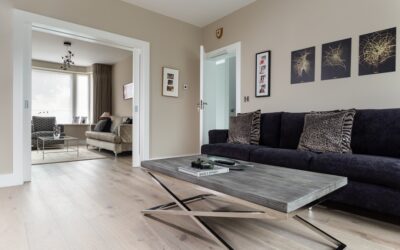
Buying floors in Cambridge means dealing with realities most national guides ignore: 1880s subfloors that cup with humidity, basement slabs that wick moisture every spring, and triple-deckers where the second-floor joists deflect more than code allows. Flooring Cambridge shoppers need product picks tuned for New England damp, contractors who know how to scribe around a 140-year-old baseboard, and a budget that accounts for prep work the showroom never mentions. This guide pulls all three threads together.
- Climate and Building Stock Issues to Plan Around
- Best Flooring Materials for Cambridge Homes
- What a Cambridge Flooring Job Actually Costs
- Hiring a Local Flooring Contractor
- Permits and Condo Rules
- Where to Buy in the Cambridge Area
- Refinishing Original Floors Versus Replacing
- Common Mistakes Cambridge Homeowners Make
- Frequently Asked Questions
Climate and Building Stock Issues to Plan Around
Cambridge sits in climate zone 5A. Indoor relative humidity swings from 22 percent in February to 68 percent in August unless you’re running a whole-house dehumidifier. That kind of swing eats solid hardwood alive. It also crowns laminate and lifts tile from poorly bonded thinset.
Most homes here were built between 1880 and 1930 with pine subfloor running diagonally over 2×10 joists. By now those joists have moisture content under 9 percent, but they also sag, splinter, and squeak. Plan to add 1/2-inch plywood underlayment over the original boards before any floating floor goes down.
Best Flooring Materials for Cambridge Homes
Engineered Hardwood
The single best choice for first-floor living spaces in older Cambridge homes. The plywood core resists humidity swings four to five times better than solid wood, and 5/8-inch products stack within 1/8 inch of original 3/4-inch oak strip when you’re patching a remodel. Mirage, Lauzon, and Mercier all distribute through New England dealers at $5.50 to $9 per sq ft.
Luxury Vinyl Plank (LVP)
The right call for basement family rooms, kitchens, mudrooms, and rental units. SPC products with a 6 to 8 mm core handle 2 inches of standing water for 24 hours without swelling. COREtec Pro Plus and Karndean Korlok are the two brands local installers reach for first.
Tile
Porcelain remains king for entryways and baths. Look for a PEI rating of 4 or higher and a DCOF above 0.42 for entries that see snow and salt. Dal-Tile and Marazzi are widely available through Boston-area distributors.
Carpet
Bedrooms and stairs. Stainmaster PetProtect with a 6-pound rebond pad runs about $4 to $6 per sq ft installed and stands up to Cambridge winters when ice melt tracks in.
What a Cambridge Flooring Job Actually Costs
- Solid red oak refinish (existing floor): $4 to $6 per sq ft
- New site-finished red oak: $11 to $15 per sq ft installed
- Engineered hardwood (5-inch plank): $9 to $14 per sq ft installed
- SPC luxury vinyl: $5.50 to $9 per sq ft installed
- Porcelain tile (with backer board over wood subfloor): $12 to $18 per sq ft installed
- Wool blend carpet: $7 to $11 per sq ft installed
Add 8 to 12 percent for old-house surcharges: scribing, threshold work, and dust containment if family is staying through the project.
Hiring a Local Flooring Contractor
Cambridge requires contractors to hold a Massachusetts Home Improvement Contractor (HIC) registration. Verify the registration number on the state Office of Consumer Affairs site before you sign anything. Ask for two references in similar-vintage homes and one in a condo with HOA noise rules. Quotes should itemize subfloor prep, demo, disposal, and material separately.
Reliable Cambridge and Somerville installers usually book six to ten weeks out from spring through November. December through February is the off-season and a good time to negotiate price.
Permits and Condo Rules
Single-family and two-family flooring replacement does not require a Cambridge building permit. Three-family and condo projects often trigger HOA approval, especially in conversions in Mid-Cambridge and East Cambridge. Most boards require an underlayment with an IIC rating of 60 or higher and a STC of 50 plus. Quiet Walk Plus and Maxxon Acousti-Mat 1/4 are the typical specs.
Where to Buy in the Cambridge Area
- Tile Showcase (Watertown): Best regional porcelain and natural stone selection.
- Floors Inc. (Somerville): Strong on engineered hardwood, knowledgeable installers.
- Lumber Liquidators / LL Flooring (Saugus, Quincy): Decent SPC selection with same-day pickup.
- The Home Depot (Somerville Assembly Square): Carpet stretch-in installs and basic vinyl.
- Dover Rug & Home (Natick): Wool and synthetic broadloom for stairs and bedrooms.
Refinishing Original Floors Versus Replacing
If your existing 3/4-inch oak strip still has more than 1/8 inch of wear layer above the tongue, refinishing wins on every metric: cost, period authenticity, and resale value. Sand with a drum sander then an edger and orbital, fill with traffic-rated wood filler, then finish with two coats of Bona Traffic HD or three coats of oil-modified poly. Plan on 5 to 7 days for sanding, finishing, and full cure before furniture goes back.
Replace if your floors have black ink staining from urine, deep cup, or repairs that left foreign species patches you can’t blend out. Salvageable boards from your closets can patch the visible repairs.
Common Mistakes Cambridge Homeowners Make
- Installing solid hardwood in basement-adjacent first floors without a moisture meter check.
- Skipping the floor-flatness test before LVP. New England subfloors rarely meet the 3/16 inch over 10 ft tolerance.
- Using cement-board over rotted plank subfloor in baths instead of replacing the planks first.
- Ignoring HVAC. Flooring failures in Cambridge are 80 percent humidity and 20 percent product.
Frequently Asked Questions
What flooring lasts longest in old Cambridge homes?
Refinished original red oak. With proper finish maintenance, those 1900s floors easily last another 50 years.
Can I install hardwood in a Cambridge basement?
Solid hardwood, no. Engineered with a vapor barrier, sometimes. SPC vinyl, almost always the smarter choice.
Do I need a permit to replace flooring in Cambridge?
Not for like-for-like replacement in 1- and 2-family homes. Condos and 3+ family buildings typically need HOA approval and may require acoustic underlayment.
How long does a Cambridge flooring install take?
Plan one day per 400 sq ft for vinyl or laminate, two days per 400 sq ft for nail-down hardwood, and three to four days per bathroom for tile.
Prefer to explore on your own?
See how new flooring looks in your actual room in seconds — free, no signup.
Try the free Floor Studio →