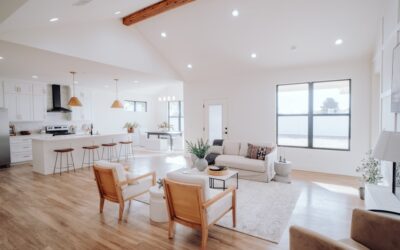
Stone carpet flooring is a modern surfacing material that combines natural stone aggregate with a clear resin binder to create a smooth, seamless, and visually striking floor surface. Unlike traditional loose gravel or standard concrete, stone carpet delivers the natural beauty of stone with a bound, low-maintenance surface that works equally well indoors and outdoors. This versatile flooring solution has gained significant popularity for driveways, patios, pool decks, commercial entrances, and even interior living spaces.
- What Is Stone Carpet Flooring?
- Stone Aggregate Options
- Benefits of Stone Carpet Flooring
- Best Applications for Stone Carpet Flooring
- Driveways and Pathways
- Patios and Terraces
- Pool Surrounds
- Commercial Entrances and Lobbies
- Interior Flooring
- Stone Carpet Flooring Costs
- Installation Process
- Maintenance and Care
- Potential Drawbacks
- Final Thoughts
This guide explains what stone carpet flooring is, how it is made, where it works best, what it costs, and how it compares to alternative surfacing options.
What Is Stone Carpet Flooring?
Stone carpet — also known as resin-bound stone, resin-bound gravel, or stone resin flooring — consists of small, rounded natural stone aggregate mixed with a clear polyurethane or epoxy resin. The mixture is troweled onto a prepared substrate to create a smooth, flat surface where each stone is individually coated and bound in place by the cured resin.
The finished surface is typically 15mm to 25mm thick and has a naturally textured appearance that reveals the color and shape of the individual stones. Because the resin coats and surrounds each aggregate particle, the surface is bound but porous, allowing water to drain through the floor rather than pooling on the surface.
Resin-Bound vs Resin-Bonded
It is important to distinguish between resin-bound and resin-bonded stone. In resin-bound systems, the stone and resin are mixed together before application, creating a permeable, smooth surface. In resin-bonded systems, resin is applied to the substrate first, and loose stones are scattered on top, creating a rougher, non-permeable surface that can shed stones over time. Stone carpet typically refers to the resin-bound method, which is the superior product.
Stone Aggregate Options
The type of stone aggregate determines the floor’s appearance, color, and texture. A wide variety of natural stones are available.
Quartz
Quartz aggregate is the most popular choice for stone carpet flooring. It is extremely hard, UV-stable, and available in a rainbow of natural colors including white, cream, gold, amber, brown, gray, and black. Quartz provides a consistent, polished look and resists fading even in direct sunlight.
Marble
Crushed marble creates an elegant, luxurious appearance with soft whites, creams, and subtle gray veining. Marble aggregate is softer than quartz and is best suited for lower-traffic indoor applications or decorative features.
Recycled Glass
Tumbled recycled glass aggregate adds a unique sparkle and can be mixed with natural stone for eye-catching decorative effects. It is available in a wide range of colors and is an eco-friendly option that repurposes waste glass.
Natural River Stone
Rounded river stones provide a natural, organic appearance that blends seamlessly with landscaping. The irregular shapes create a more rustic look compared to the uniform appearance of quartz or marble.
Benefits of Stone Carpet Flooring
Stone carpet offers a unique combination of properties that few other surfaces can match.
Permeability
Resin-bound stone carpet is naturally permeable, meaning water drains through the surface rather than running off. This is a significant advantage for outdoor applications, as it reduces puddle formation, minimizes surface water runoff, and can help meet sustainable urban drainage system (SUDS) requirements. In many regions, permeable surfacing qualifies for reduced stormwater fees.
Seamless Appearance
Stone carpet creates a continuous, joint-free surface that flows smoothly from one area to another. There are no grout lines, seams, or expansion joints to crack, collect dirt, or allow weed growth. This seamless quality gives stone carpet a clean, modern appearance that enhances any space.
Durability
When properly installed, resin-bound stone carpet resists cracking, UV damage, frost, and the weight of vehicle traffic. Quality installations can last 15 to 25 years with minimal maintenance. The individual stones are naturally resistant to wear, and the polyurethane resin binder flexes enough to accommodate minor substrate movement without cracking.
Slip Resistance
The natural texture of the aggregate surface provides inherent slip resistance, even when wet. This makes stone carpet an excellent choice for pool decks, shower areas, building entrances, and any space where wet conditions create safety concerns.
Low Maintenance
Stone carpet requires minimal ongoing maintenance. Occasional sweeping and power washing keep the surface clean and looking new. The bound surface prevents weed growth, and the porosity prevents moss and algae establishment because water does not pool on the surface.
Design Versatility
With dozens of aggregate colors and the ability to create custom blends, borders, patterns, and logos, stone carpet offers nearly unlimited design possibilities. Multiple colors can be laid side by side to create zones, pathways, or decorative features within a single seamless surface.
Best Applications for Stone Carpet Flooring
Stone carpet excels in specific applications where its unique properties provide the most value.
Driveways and Pathways
Stone carpet creates stunning driveways that are permeable, durable, and visually impressive. The seamless surface handles vehicle traffic without cracking, and the range of available colors allows driveways to complement the home’s exterior palette.
Patios and Terraces
Outdoor living spaces benefit from stone carpet’s permeability, slip resistance, and smooth surface. It provides a comfortable, level surface for furniture and foot traffic while blending naturally with garden landscaping.
Pool Surrounds
The slip resistance and quick-draining properties of stone carpet make it ideal for pool decks and surrounds. It stays cool underfoot in sunlight compared to concrete and provides a safe, attractive surface around water features.
Commercial Entrances and Lobbies
Stone carpet creates a professional first impression for commercial buildings. Its durability handles heavy foot traffic, and its design flexibility allows for company branding, wayfinding, and decorative borders.
Interior Flooring
Stone carpet is increasingly used indoors for contemporary homes, particularly in entryways, kitchens, bathrooms, and open-plan living areas. Indoor installations use finer aggregate sizes (typically 2mm to 4mm) for a smoother surface that is comfortable underfoot and easy to clean.
Stone Carpet Flooring Costs
Costs depend on the aggregate type, area size, substrate condition, and complexity of the design.
Material and Installation Costs
Basic stone carpet installations cost $25 to $50 per square foot installed. Premium aggregate options and complex designs can push costs to $50 to $80 per square foot. Very large areas may benefit from volume pricing that reduces per-square-foot costs.
Substrate Preparation
Stone carpet requires a solid, stable substrate — typically concrete, asphalt, or a prepared base course. If the existing substrate is in poor condition, repair costs of $3 to $10 per square foot may apply. New substrate installation adds $8 to $15 per square foot.
Cost Comparison
Compared to natural stone pavers ($15 to $30 per square foot installed), stamped concrete ($8 to $20 per square foot), and porcelain tile ($10 to $25 per square foot), stone carpet falls in the mid-to-upper price range but offers unique benefits in permeability and seamless design that these alternatives cannot provide.
Installation Process
Stone carpet installation is a professional-only job that requires specific equipment, materials, and expertise.
Substrate Preparation
The substrate must be clean, structurally sound, and primed with a resin primer to ensure adhesion. Cracks must be repaired, and the surface should be flat with adequate falls for drainage in outdoor applications.
Mixing
The stone aggregate and resin binder are mixed in precise ratios in a forced-action mixer. The mixture must be used within the resin’s working time, typically 20 to 40 minutes, so batches are prepared as needed throughout the installation.
Application
The mixed material is poured onto the prepared substrate and troweled smooth to a consistent thickness. Skilled installers use stainless steel trowels to create a flat, even surface without overworking the material. Edges, borders, and transitions require careful detailing.
Curing
The resin cures over 4 to 12 hours depending on temperature and humidity. Light foot traffic is typically possible after 12 to 24 hours, with full cure and vehicle traffic allowed after 24 to 48 hours. Curing must occur in dry conditions — rain on uncured stone carpet can ruin the surface.
Maintenance and Care
Stone carpet is remarkably low-maintenance but benefits from occasional attention. Sweep or blow off leaves and debris regularly, especially in outdoor applications. Power wash annually or as needed to remove embedded dirt and restore the surface’s original appearance. Treat any algae or organic growth with an appropriate surface cleaner. Reapply a resin sealant every 5 to 10 years for outdoor installations to maintain the resin’s UV resistance and surface integrity.
Potential Drawbacks
Like any flooring option, stone carpet has limitations to consider. It requires a stable, crack-free substrate for long-term success. The surface can be difficult to repair if localized damage occurs. Professional installation is mandatory, limiting DIY options. Costs are higher than basic concrete or gravel alternatives. Indoor installations may feel hard underfoot compared to carpet or vinyl.
Final Thoughts
Stone carpet flooring bridges the gap between natural beauty and engineered performance. Its seamless, permeable, and durable surface offers a modern alternative to traditional paving and flooring materials for both indoor and outdoor applications. While the initial investment is significant, the combination of longevity, low maintenance, and design versatility makes stone carpet a compelling choice for homeowners and commercial property owners who want a surface that is as functional as it is visually stunning.