
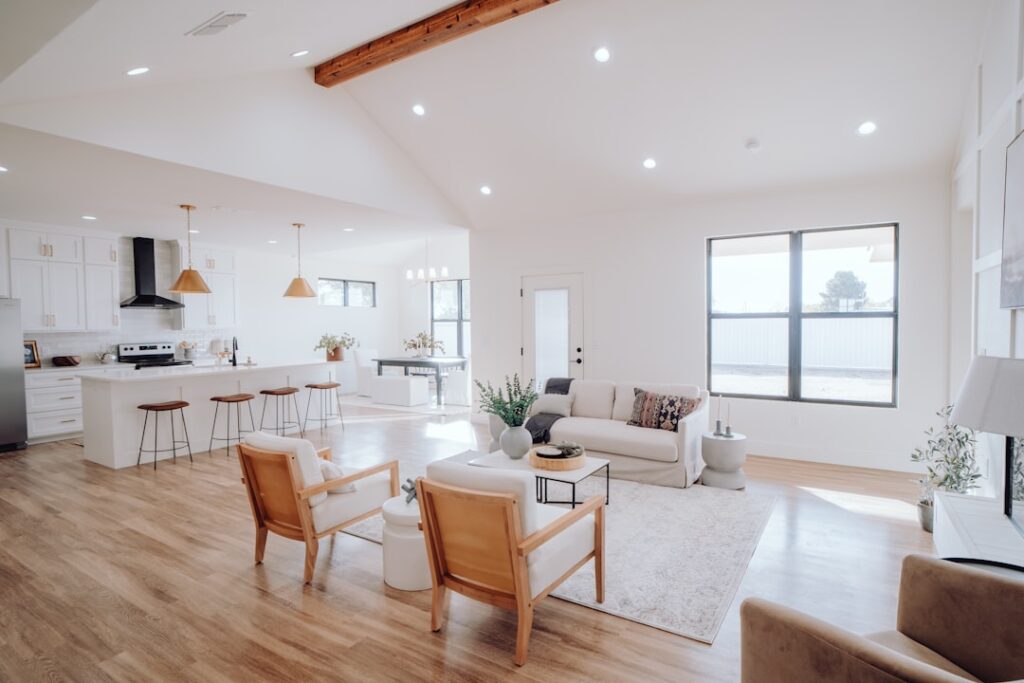
If you run a flooring showroom, the fixtures that present your products quietly drive a surprising share of your sales. Flooring display stands are the racks, wings, and swatch systems that let customers see, touch, and compare samples without you pulling boxes off a shelf. The right display turns browsing into buying by making a vast catalog feel organized and approachable. This guide breaks down the main types, their trade-offs, and what to weigh when you outfit a store.
- What Flooring Display Stands Are
- Waterfall Displays
- Swatch and Wing Systems
- Freestanding and Floor Displays
- Wall-Mounted and Slatwall Systems
- What to Look for When Buying
- Pros and Cons of Investing in Display Stands
- Designing the Showroom Flow
- Lighting and Sample Presentation
- Budgeting and Sourcing Display Stands
- The Bottom Line
What Flooring Display Stands Are
These are merchandising fixtures built specifically to show flooring samples in a retail or design-studio setting. Unlike generic shelving, they are engineered for the weight and format of flooring — heavy tile boards, long plank samples, carpet swatches, and laminate panels. A good display does three jobs at once: it protects samples, it presents them attractively, and it lets shoppers handle and compare options side by side.
Because flooring is a tactile, visual purchase, customers want to feel the texture, see the color in different light, and lay samples next to one another. Display stands make all of that possible in a fraction of the floor space loose samples would require.
Waterfall Displays
The waterfall display is the classic flooring showroom fixture. Large sample boards are mounted on a frame and angled so they cascade forward, one behind the other, like pages in a giant book. Customers flip through the boards to browse an entire product line in a compact footprint.
Waterfall stands excel at showing many large-format samples — tile, plank, and laminate boards — while taking up minimal floor area. The angled presentation also lets overhead light play across each surface, revealing texture and sheen. The trade-off is that only the front board is fully visible at rest, so shoppers must actively flip to explore the range.
Swatch and Wing Systems
Swatch displays, sometimes called wing racks, hold smaller samples on pivoting arms or panels that swing out like the wings of a book. They are ideal for carpet, vinyl, and any product where you stock dozens or hundreds of colorways.
The strength of wing systems is density. You can present an enormous color and style selection in a small area, and customers can pull individual wings forward to compare. They keep samples tidy and damage-free. The downside is that smaller swatches give a less complete impression of a full floor than a large board does, so they work best alongside a few full-size samples of your top sellers.
Freestanding and Floor Displays
Freestanding stands sit out in the showroom and can be approached from one or more sides. They range from rotating towers to A-frame racks to large island units that anchor a department. These are showpieces, drawing customers into a category and letting them circle the product.
Freestanding units offer flexibility — you can rearrange the floor plan, feature seasonal or promotional lines, and create destination zones. The cost is floor space, which is precious in any retail environment, so reserve full freestanding displays for high-margin or signature collections.
Wall-Mounted and Slatwall Systems
When floor space is tight, wall-mounted displays reclaim vertical real estate. Slatwall panels with brackets and sample holders let you build flexible, reconfigurable walls of product. They keep the floor open for foot traffic and large island displays while still presenting a deep selection.
Wall systems are budget-friendly and easy to update, but they require accessible wall space and good lighting, since wall samples can fall into shadow. Pair them with adequate fixtures so colors read accurately.
What to Look for When Buying
Outfitting a showroom is a real investment, so evaluate stands on more than price. Key considerations include:
- Load capacity — tile and stone boards are heavy; confirm the frame and arms are rated for them.
- Sample compatibility — match the holder size and mounting style to your sample format.
- Footprint efficiency — how many SKUs per square foot of showroom.
- Ease of updating — how quickly staff can swap discontinued lines for new ones.
- Durability and finish — fixtures take constant handling and should look professional for years.
- Branding options — header signage and labeling that reinforce your store identity.
Pros and Cons of Investing in Display Stands
- Pro: Organizes a huge catalog into an approachable, shoppable layout.
- Pro: Encourages hands-on comparison that drives purchase decisions.
- Pro: Protects expensive samples from damage and clutter.
- Con: Quality fixtures represent a meaningful upfront cost.
- Con: Some systems lock you into a specific sample format.
- Con: Freestanding units consume valuable floor space.
Designing the Showroom Flow
The best results come from mixing display types rather than relying on one. Use freestanding islands to feature signature lines, waterfall stands for your large-format workhorses, wing racks for deep color selections, and wall systems to maximize space. Light every display well and color-accurately, because lighting that distorts color costs you sales and trust.
Lighting and Sample Presentation
No display works without good lighting, because flooring is bought on color and texture. Position fixtures so light rakes across sample surfaces, revealing embossing, grain, and sheen rather than flattening them. Use color-accurate lighting that approximates the daylight and warm interior light customers have at home, since lighting that distorts color leads to returns and lost trust.
Keep samples clean and current. A dusty, scratched, or discontinued board on display signals neglect and undercuts your credibility. Build a routine for staff to wipe down displays and swap out retired SKUs promptly, so the showroom always presents your live catalog accurately.
Budgeting and Sourcing Display Stands
Outfitting a showroom is a capital expense, so plan it deliberately. New custom fixtures from display manufacturers offer the most polished, branded result but carry the highest cost. Stock modular systems are more affordable and easier to expand as your catalog grows. Many retailers also source gently used fixtures from closing stores or auctions to stretch a startup budget.
Whatever route you choose, prioritize quality on the high-traffic, high-margin displays customers interact with most, and economize on back-of-house or secondary fixtures. Think of displays as a multi-year investment in selling capacity rather than a one-time purchase, and weigh durability and reconfigurability alongside the sticker price.
The Bottom Line
Well-chosen flooring display stands are not just storage — they are silent salespeople that organize your range, invite customers to touch and compare, and protect your sample investment. Match each stand type to your product mix, prioritize load capacity and easy updating, and design a showroom flow that guides shoppers naturally from browsing to buying.
Prefer to explore on your own?
See how new flooring looks in your actual room in seconds — free, no signup.
Try the free Floor Studio →

