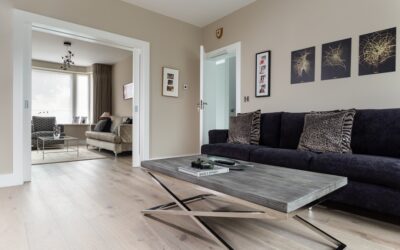
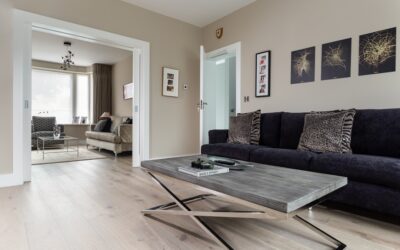
The single biggest variable in any flooring project is not the material you choose — it is the person who installs it. Flooring fitters (the British and Australian term for what Americans call flooring installers) make or break the finished result. A premium oak floor laid by a sloppy crew looks worse than a budget LVP laid by a meticulous installer. This guide walks through how to find good flooring fitters, what credentials matter, what to pay, and the red flags that should send you running.
- Specialization Matters More Than General Skill
- Credentials Worth Verifying
- How to Find Quality Flooring Fitters
- Real Cost Ranges by Floor Type
- What a Quote Should Include
- Red Flags That Mean Walk Away
- Reasonable Payment Schedule
- Subfloor Issues Are Where Quotes Blow Up
- Quality Markers in Finished Work
- DIY Versus Pro: When Each Wins
- Final Take
Specialization Matters More Than General Skill
Flooring installation breaks into specializations: hardwood (solid and engineered), tile and natural stone, carpet, sheet vinyl, luxury vinyl plank and tile, laminate, and resilient sport flooring. The skills overlap but the techniques and tools do not. A carpet installer who claims to do hardwood may technically know how to nail down a plank, but unlikely with the finish-quality cuts you want.
Always hire to the specific material. If your project mixes (e.g., tile in the bath, hardwood in the living room), confirm whether the installer subs out parts of the work or uses one crew for everything.
Credentials Worth Verifying
- Manufacturer certifications — Many flooring brands offer installer training programs (Shaw Certified, COREtec Certified, NWFA for hardwood). Certified installers usually preserve manufacturer warranties.
- NWFA certification — National Wood Flooring Association certification (Certified Installer, Certified Sand and Finisher) is the US gold standard for hardwood.
- CTI certification — Ceramic Tile International certification for tile installers.
- Insurance — General liability ($1M minimum) and workers’ compensation. Ask for current certificates.
- State licensing — Some states require contractor licenses for jobs over a threshold dollar amount.
How to Find Quality Flooring Fitters
Word of mouth from neighbors, contractors, and architects beats every online lead source. Local flooring distributors often know which independent installers consistently deliver good work — call a wholesale flooring distributor and ask who they recommend.
Online sources include Houzz Pros, Angi (formerly Angie’s List), and the NWFA installer directory. Check Better Business Bureau ratings, Google reviews, and ask for three references from jobs completed in the past year.
Real Cost Ranges by Floor Type
Installation labor only (not materials), 2026 US averages:
- Carpet — $0.50-$1.50 per sq ft. Stretch-in over pad.
- Sheet vinyl — $1.00-$2.00 per sq ft. Includes simple seaming.
- Click-lock LVP — $2.00-$4.00 per sq ft. Floating install.
- Glue-down LVP/LVT — $3.00-$5.00 per sq ft. Higher prep requirement.
- Laminate — $2.00-$3.50 per sq ft.
- Engineered hardwood (nail-down) — $3.00-$5.00 per sq ft.
- Solid hardwood (nail-down + finish on-site) — $5.00-$10.00 per sq ft.
- Ceramic and porcelain tile — $5.00-$10.00 per sq ft.
- Natural stone tile — $7.00-$15.00 per sq ft.
Add 20-40 percent for difficult layouts, herringbone or chevron patterns, intricate transitions, and tight stair installs.
What a Quote Should Include
Itemize every line. A complete flooring fitter’s quote covers: existing floor removal, hauling and disposal of old material, subfloor inspection and minor repair (typically up to a stated dollar amount), underlayment if not pre-attached, the actual installation, transitions and trim, baseboards (re-install or new), and final cleanup.
Add-ons that surprise homeowners: appliance and fixture moving, toilet pull and reset (usually subbed to a plumber, $150-$300), HVAC vent reframing, asbestos abatement on pre-1980 vinyl, and any subfloor replacement beyond minor patching.
Red Flags That Mean Walk Away
- No insurance documentation — Skip immediately. One injury on your property can become your problem.
- Cash-only or large upfront deposit — Reasonable deposit is 25-40 percent. Anything north of 50 percent is a warning.
- Vague verbal quotes — Get everything written and itemized.
- No references or refusal to provide — Established installers proudly share past work.
- Pressure to skip permits or inspections — Most flooring projects do not require permits, but if yours does, the installer should know and pull it.
- Unrealistic timelines — A 1,000 sq ft hardwood install takes 3-5 days. Anyone promising 1 day is cutting corners.
Reasonable Payment Schedule
Standard residential flooring installs follow a 30-40-30 schedule: 30-40 percent at signing or material order, 40 percent at install start, balance at completion after walkthrough. Material-only installs (where you supply the flooring) sometimes flip to 25 percent at start, 75 percent at completion.
Never pay the final balance until you have walked the entire job, checked transitions, and tested for level seams. The completion walkthrough is your only leverage to get punch list items addressed.
Subfloor Issues Are Where Quotes Blow Up
The honest installer inspects the subfloor before quoting. Hidden problems — water-damaged plywood, old tile thinset that needs grinding, asbestos vinyl, uneven concrete — turn a $4,000 quote into a $6,500 actual cost. Reputable flooring fitters either include a flat allowance for minor subfloor work or itemize a per-unit cost for additional repairs.
Walk the existing floor with the installer before signing. Bouncy spots, water staining, and visible separations all need to be discussed before contract.
Quality Markers in Finished Work
- Tight, consistent seams with no visible gaps
- Lippage under 1/32 inch on plank floors
- Clean cuts at door jambs (the floor goes under, not around)
- Properly mitered transitions at doorways
- Reveal-line baseboards installed flush, with consistent caulk lines
- No wood filler visible on hardwood floors except in tiny knots
- Grout lines uniform width on tile installs
DIY Versus Pro: When Each Wins
DIY makes sense for click-lock LVP, laminate, and floating engineered hardwood in simple rectangular rooms. The cost savings on labor are significant ($1.50-$3.00 per sq ft) and the difficulty curve is moderate. Pro install becomes worthwhile when the layout is complex, the material is expensive, the subfloor is questionable, or the install requires specialty tools (tile saws, hardwood floor nailers, large-format tile leveling systems).
Final Take
Quality flooring fitters are the difference between a floor that looks good for 20 years and one that fails in 5. Verify credentials, get itemized quotes, check references, and never skip the manufacturer-certified installer for premium products. The installer’s labor cost is a small fraction of the total project — but their skill is most of what you actually pay for.
Prefer to explore on your own?
See how new flooring looks in your actual room in seconds — free, no signup.
Try the free Floor Studio →