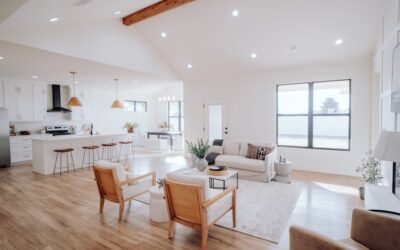
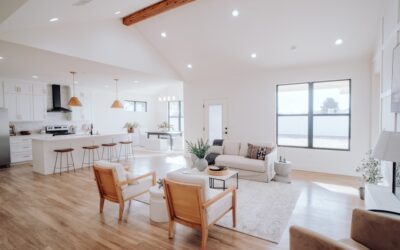
Harborne, one of Birmingham’s most sought-after suburbs, is full of period properties, Victorian terraces, Edwardian semis, and 1930s homes, that each bring their own flooring quirks. Sourcing the right flooring Harborne homeowners can rely on means more than browsing the high street; it means understanding the local housing stock, choosing materials suited to British conditions, and vetting fitters carefully. The original timber floors hiding under many Harborne carpets are a genuine asset, while damp-prone solid-wall properties demand the right subfloor approach.
This guide covers what to consider when buying flooring in the Harborne area, how to hire a reliable fitter, and rough costs in pounds, without naming specific businesses, so you can run your own confident search.
Understanding Harborne’s Housing Stock
The suburb’s character comes largely from its older homes, and those homes shape your flooring choices. Many Victorian and Edwardian properties retain original pine or oak floorboards beneath later carpet, which can often be sanded and restored beautifully for a fraction of the cost of new flooring. Lifting a corner of carpet before you buy is always worth doing.
Older properties also tend to have suspended timber ground floors with voids beneath, or solid floors that may lack a modern damp-proof membrane. Both affect what you can lay and whether you need additional moisture protection, so an honest assessment of the existing floor structure comes before any purchase.
Best Flooring Types for Local Homes
The right material depends on the room and the property’s age. Here’s how the common options fit British homes in an area like Harborne.
- Restored original boards: ideal where intact period timber survives, sand and finish for character and value
- Engineered wood: more stable than solid timber in homes with humidity swings, suits living rooms and bedrooms
- Luxury vinyl tile (LVT): waterproof and warm underfoot, excellent for kitchens, bathrooms, and utility rooms
- Carpet: still popular for bedrooms and stairs in British homes for warmth and cosiness
- Porcelain or ceramic tile: hard-wearing for hallways and kitchens, pairs well with underfloor heating
Underfloor heating is increasingly common in renovations here, and it pairs best with tile, LVT, and engineered wood rated for it.
Pros of Hiring a Local Fitter
A fitter who knows the area’s period homes is worth seeking out. They’ll recognise the common issues, uneven joists, lack of damp-proofing, springy suspended floors, and prepare the subfloor properly rather than laying over problems. Local knowledge also means realistic timelines and easier follow-up if something needs adjusting after the job.
Professional fitting protects manufacturer guarantees on many products, which often require approved installation, and a reputable tradesperson stands behind their workmanship. For period board restoration in particular, skilled sanding and finishing make the difference between a stunning floor and a patchy one.
How to Vet a Flooring Fitter
Hire on evidence, not on the cheapest quote. A bit of due diligence saves a lot of regret.
- Get at least three written, itemised quotes for comparison
- Check reviews across multiple platforms and ask for recent local references
- Confirm they carry public liability insurance
- Look for trade accreditation or manufacturer-approved installer status
- Avoid anyone demanding large cash sums upfront or refusing a written agreement
Ask specifically how they’ll handle your floor type, an answer that addresses your subfloor and damp situation directly is a good sign, while a vague response is a reason to keep looking.
What Flooring Costs in the Area
Prices vary with material and the state of the existing floor, but these rough UK ranges help you sanity-check quotes. Figures are for supply and fit combined unless noted.
- Sanding and finishing existing boards: roughly £20 to £35 per square metre
- Engineered wood: around £40 to £90 per square metre supplied and fitted
- Luxury vinyl tile: about £30 to £60 per square metre
- Carpet: roughly £20 to £50 per square metre including underlay
- Porcelain tile: £50 to £100 per square metre fitted, more for intricate layouts
Subfloor levelling, damp-proofing, plywood overlay, and removal of old flooring all add to these figures, so make sure quotes spell out exactly what’s included.
Buying Materials Locally vs. Online
You can source flooring from local showrooms, national chains, or online suppliers, each with trade-offs. Local showrooms let you see and feel samples and get tailored advice, which matters for matching a finish to a period home. Online retailers often undercut on price but shift the risk of measuring and ordering onto you. A sensible middle path is to view samples locally, then compare prices before committing, and always order a little extra from the same batch to allow for cuts and future repairs.
Caring for Floors in a British Climate
The UK’s damp, variable weather puts particular demands on flooring, so maintenance matters as much as the initial choice. Wood and engineered floors react to humidity, so keeping indoor conditions reasonably stable, avoiding extreme damp in winter and dryness when heating runs hard, helps prevent gaps and cupping over the seasons. A good doormat at every external door catches the grit and rainwater that would otherwise be tracked across and ground into the finish.
For restored period boards, sweep regularly and clean with a barely damp mop and a wood-safe cleaner, never a soaking-wet mop or a steam cleaner, both of which can lift the finish and swell the timber. LVT and tile shrug off British weather far better and only need routine sweeping and damp mopping. In older Harborne homes prone to rising damp, addressing the underlying moisture problem before laying any new floor saves you from repeating the job, since even waterproof flooring traps moisture against a damp subfloor and can encourage mould underneath. Treating the cause first protects whatever you install on top.
Final Thoughts
Getting flooring right in Harborne starts with respecting the area’s period homes, checking for original boards worth restoring, understanding your subfloor, and choosing materials suited to British conditions and any underfloor heating. From there, the real protection is careful hiring: three itemised quotes, verified reviews, proof of insurance, and clear written agreements. Take that measured approach and you’ll end up with a floor that suits your home’s character and lasts, rather than a rushed job you regret.
Prefer to explore on your own?
See how new flooring looks in your actual room in seconds — free, no signup.
Try the free Floor Studio →