
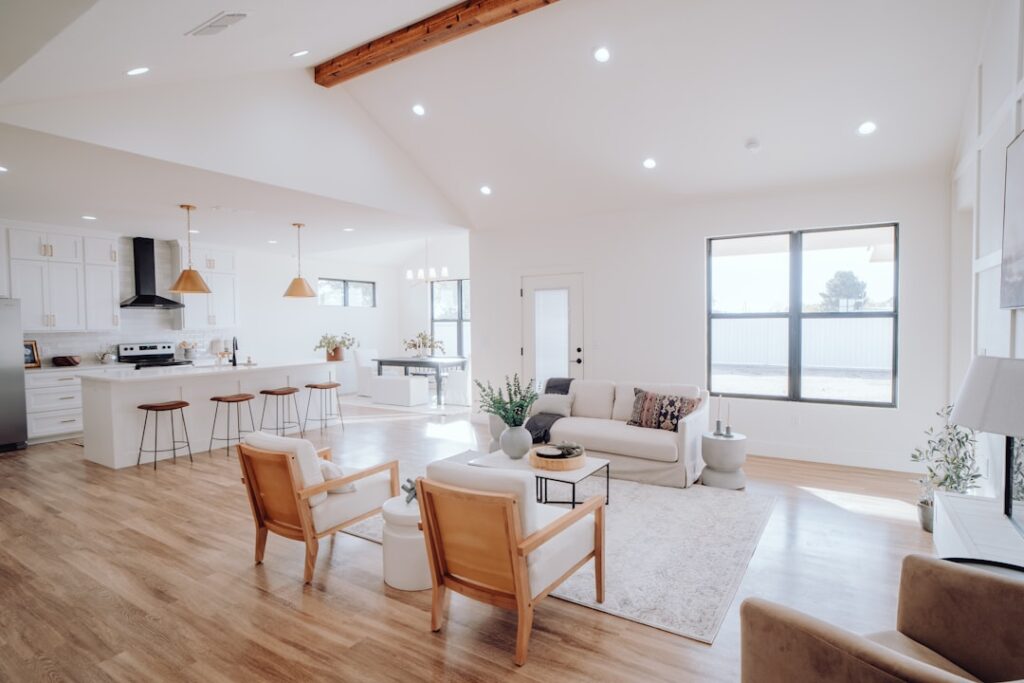
Choosing flooring New York City homeowners and renters can actually install comes with a unique set of challenges you will not find in suburban projects. Between strict co-op and condo rules, paper-thin walls and ceilings, narrow stairwells, freight-elevator scheduling, and the sheer cost of labor in the five boroughs, a flooring decision here is as much about logistics and building bylaws as it is about looks. Get the planning right and you will end up with floors that satisfy your board, your downstairs neighbor, and your own taste.
This guide walks through the flooring types that work best in NYC apartments, the building rules that shape your options, soundproofing requirements, general costs, and how to choose the right installer.
The Big Challenge: Building Rules and Sound
The first thing any NYC apartment dweller learns is that you rarely have a free hand with your floors. Most co-ops and many condos have alteration agreements that dictate what you can install and require specific soundproofing underlayment. A common rule mandates that a high percentage of the floor, often around 80 percent, be covered with rugs or carpeting to muffle noise, or that hard floors meet a minimum acoustic rating.
Always read your building’s house rules and alteration agreement before buying anything. Installing the wrong floor can mean tearing it out at your own expense, so getting board approval first is non-negotiable.
Best Flooring Options for NYC Apartments
The right choice balances appearance, durability, soundproofing, and the practicalities of getting it into a city building.
- Engineered hardwood: The NYC favorite. It looks like solid wood, handles humidity swings better, and pairs well with acoustic underlayment.
- Luxury vinyl plank: Waterproof, durable, quieter underfoot, and easier to carry up tight stairs since it comes in compact boxes.
- Cork: Naturally sound-absorbing and warm, a smart pick for buildings with strict noise rules.
- Carpet: Still the simplest way to meet sound-coverage requirements, especially in bedrooms.
- Tile: Durable and great for kitchens and baths, though it is the noisiest and requires the most careful underlayment.
Soundproofing Is Not Optional
In a city of stacked apartments, impact noise is the number-one complaint between neighbors. A proper acoustic underlayment beneath hard flooring is usually required and always wise. These thin mats absorb the sound of footsteps and dropped objects before it travels to the unit below.
Look for underlayment with strong impact-insulation ratings, and confirm the specific product your building requires. Skimping here is the fastest way to draw a complaint or fail a board inspection after installation.
What Flooring Costs in New York City
Labor and logistics make NYC one of the more expensive places in the country to install flooring. While material prices are similar to anywhere else, installation costs run higher because of building access, union or licensed-contractor requirements, and the time it takes to work in occupied buildings.
As a general guide, installed engineered hardwood often ranges from roughly $8 to $15 or more per square foot in the city, with luxury vinyl somewhat less and high-end tile or imported wood considerably more. Always budget extra for underlayment, removal and disposal of old flooring, and any elevator or building fees your management charges.
Logistics That Trip People Up
Beyond the floor itself, the city adds practical hurdles you must plan around.
- Reserve the freight elevator in advance; many buildings only allow deliveries and work during set hours.
- Confirm that materials fit through tight doorways, hallways, and stairwells before ordering.
- Check whether your building requires licensed, insured contractors and proof of insurance on file.
- Plan for debris removal, since hauling old flooring out of a high-rise is its own task.
Choosing an Installer
NYC has no shortage of flooring contractors, but quality and reliability vary widely. Look for installers experienced with apartment buildings specifically, since they understand alteration agreements, elevator scheduling, and the soundproofing standards boards expect. Confirm they carry the insurance your building requires and can provide a certificate of insurance.
Get multiple written quotes, check recent reviews, and ask for references from jobs in similar buildings. An installer who has navigated co-op boards before will save you from costly compliance mistakes.
Flooring for Pre-War and Historic Buildings
Many NYC apartments sit in pre-war buildings prized for their original hardwood floors, plaster walls, and character. If you are lucky enough to have original wood, refinishing it is often a better choice than replacing it, both for cost and for preserving the building’s charm. A good refinishing job sands away decades of wear and brings tired floors back to life for a fraction of the price of new flooring.
Older buildings come with quirks, though. Floors are rarely perfectly level, subfloors may be unusual, and co-op rules around historic features can be strict. Before refinishing or replacing, check whether your building requires approval for the work and whether dust-containment measures are mandated. Working with contractors experienced in pre-war buildings pays off, since they know how to handle uneven floors and the realities of older construction.
Renting Versus Owning
Your flooring options also depend on whether you rent or own. Renters usually cannot make permanent changes, but they have excellent temporary solutions. Large area rugs instantly warm a space and add the soundproofing many buildings expect, while peel-and-stick vinyl tiles and interlocking floor tiles can transform a room and lift out cleanly when the lease ends.
Owners in co-ops and condos have more freedom but more rules, since any permanent flooring change typically needs board approval through an alteration agreement. Whether you rent or own, the soundproofing expectation rarely goes away, so even a renter’s rug should provide enough coverage to keep footsteps from carrying to the apartment below. Knowing where you stand before you start saves time and prevents conflicts with your building.
Making the Right Call
Flooring in New York City rewards careful planning more than almost any other market. Start with your building’s rules, prioritize soundproofing, and choose a durable material that fits both your lifestyle and the practical realities of city installation. Engineered hardwood and luxury vinyl plank are the safe, popular choices for good reason. Do your homework on board approval and logistics up front, hire an installer who knows the NYC landscape, and you will get floors that look great and keep the peace with everyone in the building.
Prefer to explore on your own?
See how new flooring looks in your actual room in seconds — free, no signup.
Try the free Floor Studio →

