FLOR occupies a strange spot in the flooring world: a premium modular carpet marketed to design-conscious homeowners, priced well above the peel-and-stick tiles at the big-box store, yet cheaper than wall-to-wall from a specialty dealer. Cutting through the marketing, honest FLOR carpet tiles reviews come down to a few practical questions, how well they actually hold up, whether the sticker-dot installation works long term, and if the design flexibility justifies paying $15 to $25 per tile. This review breaks down the real strengths, the genuine weaknesses, and who should buy them.
- What FLOR Carpet Tiles Are
- Quality and Construction
- Durability in Real Homes
- Installation: The Good and the Frustrating
- What They Cost
- Who Should Buy FLOR
- The Verdict
- Cleaning and Stain Performance
- Design Flexibility Is the Real Selling Point
- How FLOR Compares to Broadloom and Budget Tiles
- Frequently Asked Questions
What FLOR Carpet Tiles Are
FLOR sells modular carpet squares, most commonly 19.7 by 19.7 inches (50 by 50 cm), that you arrange and connect on your floor to build a rug or wall-to-wall area. They are a residential extension of the commercial carpet-tile business (FLOR is the consumer brand of Interface, a major commercial carpet maker). Instead of glue or a full pad, tiles connect to each other with adhesive “FLORdots” stickers, leaving the assembly essentially a floating mat you can lift, rearrange, or replace tile by tile.
Quality and Construction
This is where FLOR earns its price. The tiles use commercial-grade construction with dense nylon face fiber and a stable, cushioned backing, noticeably more robust than the thin polyester peel-and-stick tiles sold elsewhere. Many lines carry recycled content and third-party environmental certifications, reflecting the Interface sustainability heritage. In use, reviewers consistently note the tiles feel substantial, hold their shape, and resist matting better than budget alternatives. The color and pattern range is broad and genuinely design-forward, which is a big part of the appeal.
Durability in Real Homes
The commercial DNA shows in wear resistance. FLOR tiles hold up well to foot traffic, and the modular format is their durability superpower: if one tile gets stained, burned, or worn, you lift that single square and drop in a replacement instead of redoing the whole floor. That is a real advantage for households with kids, pets, or a spill-prone dining area. The main durability caveat is that the sticker-dot connections can loosen over time in high-traffic or high-humidity spots, allowing tiles to shift, and some users add extra adhesive or a non-slip pad underneath to keep everything locked in place.
Installation: The Good and the Frustrating
Installation is genuinely DIY-friendly. You dry-lay the tiles to plan your pattern, then peel the FLORdot stickers and press adjacent tiles together, cutting edge tiles with a sharp utility knife and straightedge. No stretching, no tack strips, no professional tools. That said, reviewers report two recurring frustrations:
- Tiles can shift or lift if the dots do not hold, especially on smooth hard floors, until you add supplemental adhesive or an anti-slip underlayment.
- Keeping the pile direction and pattern consistent takes attention; installing tiles in the wrong orientation shows as subtle color shifts under light.
For a rug on a hard floor, many owners find the tiles want a little extra help staying put; over an existing low-pile carpet or with added adhesive, they behave better.
What They Cost
FLOR is premium, and the price reflects it:
- Per tile: roughly $15 to $25 each for a 19.7-inch square
- Per square foot: approximately $6 to $10, since each tile covers about 2.7 sq ft
- A 6 x 9 ft area rug: around 20 to 24 tiles, roughly $350 to $550
That is far more than the $1 to $3 per square foot peel-and-stick tiles at home centers, and it lands in the range of good-quality broadloom carpet. You are paying for the fiber quality, the design range, the modular replaceability, and the sustainability credentials.
Who Should Buy FLOR
FLOR makes the most sense for a specific buyer: someone who wants a custom-shaped, custom-patterned area rug or a soft floor in a space where spills and wear are likely, and who values being able to swap a single ruined tile. Renters like that the floating assembly comes up cleanly and moves with them. Design enthusiasts like mixing colors and patterns into custom layouts. If you simply need cheap, functional carpet tile for a basement playroom, the budget peel-and-stick options deliver more square footage per dollar. FLOR is worth it when design flexibility and quality matter more than lowest cost.
The Verdict
FLOR carpet tiles largely live up to their reputation: genuinely higher quality than bargain modular carpet, easy to install, and brilliant for creating custom rugs you can repair one tile at a time. The honest knocks are the premium price and the sticker-dot system that sometimes needs reinforcement to stop tiles shifting. If your priority is a designed, durable, repairable soft floor and the budget allows, they are worth it. If you just need maximum coverage for minimum money, look elsewhere.
Cleaning and Stain Performance
Because FLOR tiles use commercial nylon fiber, they clean up better than most residential carpet, and many lines carry stain and soil treatments from the factory. For everyday care, vacuum as you would any carpet. For spills, the modular format is the ace: blot the spot immediately, and if a stain sets, you simply unstick that single tile, wash it in the sink or replace it, and press it back into place. Reviewers with kids and pets consistently call this the feature that sells them, since a permanent stain on wall-to-wall carpet is a much bigger problem than swapping one $18 square. Nylon also resists crushing and matting better than polyester, so traffic lanes stay looking fresh longer.
Design Flexibility Is the Real Selling Point
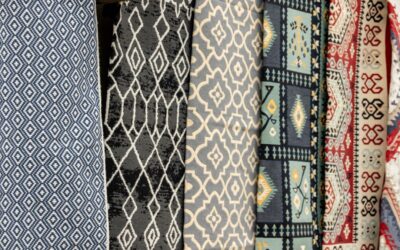
Beyond durability, FLOR’s biggest draw is what you can create with it. Because you assemble the floor tile by tile, you can build a rug in any rectangular size, mix colors and patterns into checkerboards or borders, and shape the layout to fit an odd room or a specific piece of furniture. You are not limited to stock rug sizes or a single pattern. Many owners use FLOR to define zones in open-plan spaces, a reading corner, a play area, a runner down a hall, in coordinated colors that a standard rug could never match. That creative control is a genuine differentiator that cheaper tiles, with their limited palettes, cannot match.
How FLOR Compares to Broadloom and Budget Tiles
Positioning FLOR against the alternatives clarifies the value question. Against wall-to-wall broadloom carpet, FLOR costs about the same per square foot but adds modular repairability and easy DIY installation with no stretching or tack strips, at the cost of a slightly less plush, seamless look. Against budget peel-and-stick carpet tiles from the home center, FLOR wins decisively on fiber quality, design range, and feel, but costs several times more per square foot. It occupies a deliberate middle ground: better than bargain tiles, more flexible than broadloom, and priced to match its commercial-grade construction.
Frequently Asked Questions
Are FLOR carpet tiles good quality?
Yes. FLOR tiles use commercial-grade nylon fiber and a stable cushioned backing that feels substantially more durable than budget peel-and-stick carpet tiles. They resist matting well and carry recycled content and environmental certifications from parent company Interface.
How much do FLOR carpet tiles cost?
FLOR tiles run about $15 to $25 each for a 19.7-inch square, or roughly $6 to $10 per square foot. A 6-by-9-foot area rug uses about 20 to 24 tiles and costs around $350 to $550, placing them well above bargain tiles and near good broadloom carpet.
Do FLOR carpet tiles stay in place?
They connect to each other with adhesive FLORdot stickers and rely on the assembly’s weight. On smooth hard floors the dots can loosen and tiles may shift over time, so many owners add supplemental adhesive or a non-slip underlayment to keep them locked in place.
Can you replace a single FLOR carpet tile?
Yes, and it is one of their biggest advantages. If a tile is stained, burned, or worn, you lift that single square and drop in a replacement rather than redoing the whole floor, which makes them practical for homes with kids and pets.
Are FLOR carpet tiles worth the money?
They are worth it if you want a custom-shaped, custom-patterned, repairable soft floor and value quality and design over lowest cost. If you simply need maximum carpet coverage for the least money, cheaper peel-and-stick tiles deliver more square footage per dollar.