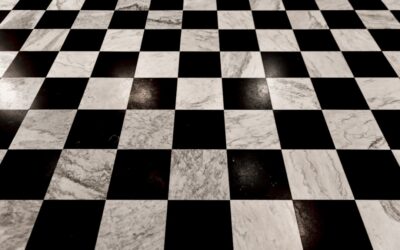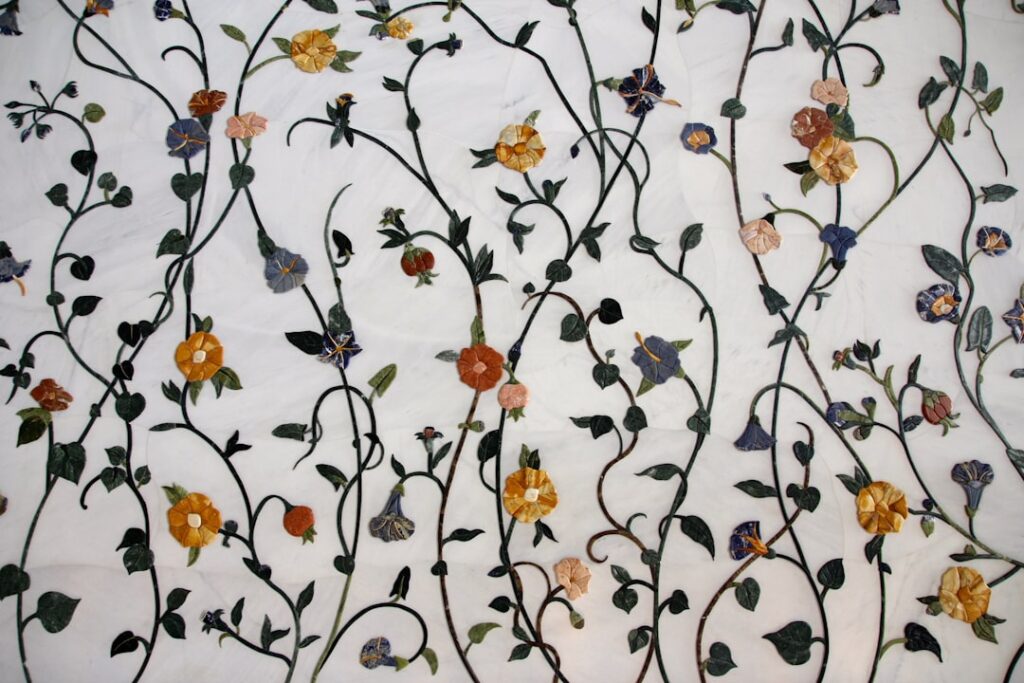
Floral tile is one of the boldest ways to bring personality into a kitchen, bathroom, or entryway, and it has surged back into style as homeowners move away from plain neutrals. Whether it is a delicate vintage motif, a bright Spanish-inspired pattern, or a moody dark bloom, a floral tile turns a floor or wall into a feature in its own right. The key to pulling it off is knowing where to use it, how much of it to use, and which material suits the spot.
The Appeal of Floral Patterns
Patterned tile adds depth and character that a solid color never can. Floral designs in particular feel warm and timeless, drawing on centuries of decorative tilework from Spain, Portugal, Morocco, and beyond. A floral pattern can make a small powder room feel like a jewel box or give a plain kitchen a focal point that becomes the talk of the house.
Patterned floors also hide everyday wear remarkably well. Footprints, crumbs, and minor scuffs disappear into a busy floral design that would show plainly on a solid tile.
Popular Floral Tile Styles
Floral tile spans many looks, so it helps to know the main directions:
- Encaustic-look patterns: matte, intricate designs inspired by traditional cement tile, often in bold color combinations.
- Vintage and Victorian florals: delicate, detailed motifs that suit traditional and cottage homes.
- Mediterranean and Spanish: vibrant, high-contrast blooms with a hand-painted feel.
- Modern minimalist florals: simplified, single-color line drawings on a clean background.
The style you choose should echo your home’s character. A bright Mediterranean floral suits a sunny, eclectic kitchen, while a soft vintage motif fits a traditional bath.
Materials to Consider
Floral patterns come on several tile bodies, each with its own properties:
- Porcelain: the most practical choice, with the pattern printed and fired on; durable, water-resistant, and good for floors.
- Ceramic: a softer, often more affordable option, best suited to walls and lower-traffic floors.
- Cement (encaustic): the genuine article, with color running through the tile; gorgeous but porous and requiring sealing.
For a busy kitchen or entry floor, porcelain that mimics encaustic cement gives you the look with far less maintenance, since true cement tile must be sealed and treated carefully.
Where to Use Floral Tile
Because the pattern is strong, placement matters. Floral tile works beautifully as:
- A statement floor in a powder room, mudroom, or laundry room.
- A kitchen backsplash that becomes the room’s focal point.
- A “rug” of patterned tile set into a field of plain tile in an entry or kitchen.
- An accent stripe or border framing a plainer floor.
In larger rooms, a full floor of bold floral tile can overwhelm, so many homeowners use it in a smaller space or as an inset where the pattern delivers maximum impact without taking over.
Designing Around a Bold Pattern
The cardinal rule with floral tile is to let it lead and keep everything else calm. Pair a busy floral floor with solid cabinetry, simple counters, and quiet wall colors so the eye has somewhere to rest. Pull one color from the tile into your paint, hardware, or textiles to tie the room together.
Resist the urge to mix multiple bold patterns in the same space. One strong floral plus solids reads as intentional and designed; two or three competing patterns read as chaotic.
Layout and Installation Tips
Patterned tile demands careful layout. Always dry-lay a section first to see how the pattern repeats and to plan where partial tiles fall, since you want full, balanced motifs in the most visible areas and cuts tucked along edges. Center the pattern in the room or under a focal point like a vanity for the most pleasing result.
Because the design must align tile to tile, hire or be an installer who takes the time to orient each piece correctly. A misaligned floral pattern is far more noticeable than a misaligned solid tile.
Color Strategy With Floral Tile
Choosing the color story of your floral tile sets the entire mood. A black-and-white floral reads graphic and timeless and works in almost any home. Soft pastels feel gentle and traditional, suiting cottage and vintage interiors. Saturated jewel tones bring energy and drama, ideal for a powder room where you can afford to be bold in a small space.
Think about how the tile will interact with the rest of the room over time. A neutral floral in grays, whites, and tans is the safest long-term bet, while a trendy color combination may feel dated sooner. If you love a bold palette, using it in a small, easily changed space is lower-risk than committing to it across a whole kitchen floor.
Budgeting for a Floral Tile Project
Patterned tile spans a wide price range. Printed porcelain that mimics encaustic patterns is often the most affordable, commonly in the range of $5 to $15 per square foot for material, while genuine cement encaustic tile and imported hand-painted styles can run $15 to $40 or more per square foot. Add installation labor, which costs a bit more than plain tile because the pattern requires careful alignment.
Because you typically use floral tile in a smaller area, the total project cost can stay reasonable even with a premium tile. A powder room floor or a modest backsplash uses relatively little material, so you can splurge on a striking pattern without the budget of a full kitchen floor.
Keeping Floral Tile Looking Fresh
Maintenance depends on the material. Glazed porcelain and ceramic clean easily with a pH-neutral tile cleaner and resist staining, while genuine cement tile needs regular sealing and gentle, non-acidic cleaners to protect the surface. For all types, keep grout lines sealed and clean so dirty joints do not detract from the pattern.
Sweep or vacuum regularly to remove grit, and wipe up spills promptly. Treated correctly for its material, a floral tile installation stays vivid and characterful for decades, anchoring a room with the kind of personality that plain tile can never offer.
Prefer to explore on your own?
See how new flooring looks in your actual room in seconds — free, no signup.
Try the free Floor Studio →