Most American homeowners have never heard of Flotex even though it has been the go-to commercial flooring choice for European hospitals, schools, and cruise ships for over 40 years. Flotex flooring sits in a category of its own, neither true carpet nor true vinyl, instead a flocked textile flooring with millions of densely packed nylon fibers electrostatically embedded into a waterproof vinyl backing. The result is a surface that looks and feels like dense low-pile carpet but cleans like vinyl with a wet mop. This guide explains what it is, where it makes sense, and what to expect on cost.
What Flotex Actually Is
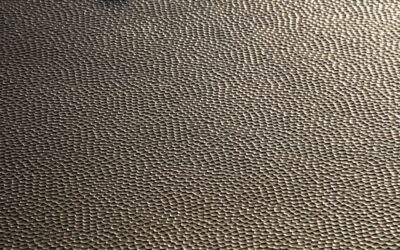
Flotex is manufactured by Forbo Flooring Systems, a Swiss company with roots going back to the 1860s. The product combines a calendered PVC backing with 6,500 vertically anchored nylon 6.6 fibers per square centimeter, a density roughly 50 times higher than typical commercial carpet. Each fiber is electrostatically charged during production and shot vertically into the backing, then permanently bonded.
The resulting surface is unique in the flooring world. It has the warmth and acoustic properties of carpet, the cleanability and water resistance of vinyl, and a wear life of 15 to 20 years in commercial environments. It also carries antibacterial silver treatments and certifications for asthma and allergy use, which is why it dominates healthcare facility flooring across Europe.
Performance Characteristics
The wet mopping is the headline feature. Spill red wine on Flotex and you can wipe it up with a damp cloth or run a wet mop over it without the stain working into a backing or pad. The fibers do not absorb liquid the way conventional carpet does. This makes Flotex viable in dining rooms, kitchens, and bathrooms where fabric flooring would be impractical.
Acoustic performance lands between hard flooring and traditional carpet. The dense fiber structure dampens impact noise from footsteps and reduces airborne sound reverberation, making it useful in open-plan spaces and bedrooms. Underfoot warmth feels closer to low-pile carpet than vinyl, with no cold-floor sensation in winter.
Pros of Choosing Flotex
The cleanability gives Flotex a real edge in households with pets, kids, or accessibility needs. Wheelchair users find it easier to roll across than carpet. Allergy sufferers benefit from the dense fiber structure that prevents dust mites from establishing colonies. The waterproof backing means subfloor moisture problems do not damage the flooring.
- Wet washable surface with conventional mop and water
- Antibacterial silver treatment built into every fiber
- 15 to 20 year commercial wear life in heavy traffic areas
- Acoustic dampening superior to vinyl or laminate
- Asthma and allergy certified by Allergy UK and similar agencies
- Available in over 200 colors and patterns including custom designs
Drawbacks and Limitations
Cost is the biggest hurdle. Flotex Vision sheet flooring runs $7 to $12 per square foot for materials in the US, with installation adding another $4 to $7 per square foot due to the specialized adhesive and seam welding required. A 500 square foot installation can hit $10,000 to $15,000 total, well above what most homeowners spend on flooring.
Availability is the second issue. Flotex is sold primarily through commercial flooring distributors and rarely appears in residential showrooms. Finding installers experienced with the heat-welded seam techniques can be difficult outside of major metro areas. Special orders typically take 4 to 8 weeks for delivery.
Where Flotex Makes Sense in a Home
Aging-in-place renovations are the strongest residential use case. Bathrooms and entry areas where falls happen on hard surfaces benefit from Flotex’s combination of cushion, traction, and wet cleanability. The product also works well in dedicated home offices, art studios, and play rooms where spills happen and traditional carpet would suffer.
Skip Flotex in living rooms, dining rooms, and bedrooms where conventional flooring options at a fraction of the cost provide adequate performance. The premium pricing only justifies itself in spaces where Flotex’s specific advantages (wet cleanability plus cushion plus acoustic dampening) all matter simultaneously, which is rarely the case in standard residential installations.
Installation Requirements
Flotex installs as either sheet flooring or modular tiles using full-spread acrylic adhesive. The subfloor must be exceptionally flat (within 1/8 inch over 10 feet) and dry, with concrete substrates requiring moisture testing showing under 5 lb/1000 sq ft per 24 hours emission rate. Seams between sheet sections are heat-welded with matching welding rod for a continuous waterproof surface.
The installation process takes longer than standard vinyl because each step requires careful attention. Plan on 2-3 days for a 500 square foot space versus 1 day for typical luxury vinyl. Hire only installers who have specific Flotex certification or documented experience, since improperly welded seams are the most common point of failure.
Maintenance and Cleaning Requirements
Daily maintenance is simple: vacuum like carpet using a beater bar or suction-only setting. Weekly maintenance for kitchens and bathrooms includes a wet mop with neutral pH cleaner. For deeper cleaning, the flooring tolerates extraction cleaners and even commercial scrubbers, which is why hospitals favor it for areas requiring frequent disinfection.
Avoid bleach-based cleaners, which can affect the antibacterial silver treatment. Avoid solvent-based cleaners that may attack the vinyl backing. Manufacturer-recommended cleaners include Forbo’s own Monel and Nilfisk neutral detergent, both available through commercial flooring distributors. Regular maintenance keeps Flotex looking fresh for the full 15-20 year wear life.
Comparing Flotex to Alternatives
Compared to carpet tile, Flotex costs more but cleans far better and provides true water resistance. Compared to LVP, it costs significantly more but offers superior cushion, acoustic dampening, and a more residential feel underfoot. Compared to sheet vinyl, it costs more and looks much warmer while being equally cleanable and water-resistant.
The closest residential competitor is high-performance commercial carpet tile from brands like Interface or Patcraft, which costs $5 to $8 per square foot installed but lacks the wet-mop cleanability. For most residential projects, premium LVP at $4 to $6 per square foot delivers 80% of the practical performance at half the cost. Flotex justifies its premium only when the specific combination of cushion plus full waterproof cleanability matters.
Final Buying Decision
Flotex flooring is a remarkable product that solves specific problems beautifully. If you have an aging family member who needs cushion underfoot but slips on bath mats, or if you operate a home daycare or grooming business that needs commercial-grade cleanability without the cold feel of vinyl, the investment makes sense.
For most standard residential renovations, the cost premium is hard to justify when premium LVP or quality carpet handle the same spaces at a fraction of the price. Request samples directly from Forbo or through a commercial flooring distributor, evaluate the texture and cleanability in your hand, and only proceed if your specific use case clearly benefits from Flotex’s unique combination of properties.
Prefer to explore on your own?
See how new flooring looks in your actual room in seconds — free, no signup.
Try the free Floor Studio →