If you have searched for a gain floor cleaner, you have probably discovered something frustrating: Procter & Gamble does not sell a dedicated floor-mopping product under the Gain label. Gain is a laundry brand — detergent, fabric softener, dryer sheets, and dish soap. Yet the scent is so beloved that thousands of homeowners want their kitchens and hallways to smell the same way their fresh laundry does. The good news is you can absolutely get that result safely, as long as you dilute correctly and avoid a few surfaces that react badly to detergent residue.
This guide walks through which Gain products actually work on floors, the exact mixing ratios that leave a streak-free finish, and the flooring types where you should skip the trend entirely. It is written for real mopping, not for a picture-perfect countertop demo, so expect honest cautions along the way.
Why There Is No Official Gain Floor Cleaner
Laundry detergents and fabric softeners are engineered to rinse away completely inside a washing machine that uses gallons of moving water. A floor gets none of that rinsing. When you mop with a detergent that is meant for fabric, the surfactants and fragrance oils dry in place and leave a thin, sticky film. That film grabs dust, dulls the shine, and can actually make floors feel tackier over time. This is the single biggest reason P&G has never marketed a Gain-branded mopping solution — the chemistry that makes laundry smell incredible is the same chemistry that leaves residue on a hard floor.
So when people talk about a homemade gain floor cleaner, they are really talking about a heavily diluted, carefully rinsed workaround. Done right, it is fine for sealed floors. Done wrong, it turns your kitchen into a magnet for grime within a week.
The Safe DIY Gain Floor Cleaner Recipe
The trick is using a tiny amount of product in a large volume of water, then following up with a clean-water rinse pass. Here is the dilution I recommend for a standard mop bucket holding about two gallons of warm water:
- Gain liquid dish soap: 1 teaspoon per two gallons. Dish soap rinses far better than laundry detergent and is the safest way to borrow the scent.
- Gain liquid laundry detergent: no more than 1/2 teaspoon per two gallons. It is highly concentrated, and more than this guarantees residue.
- Gain fabric softener: avoid it entirely on floors. Softeners deposit a waxy coating designed to cling to fibers, and on tile or vinyl that coating becomes dangerously slippery.
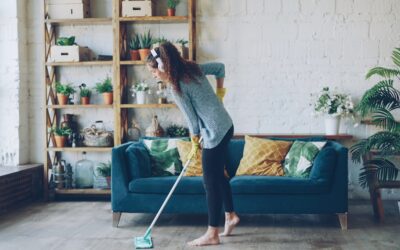
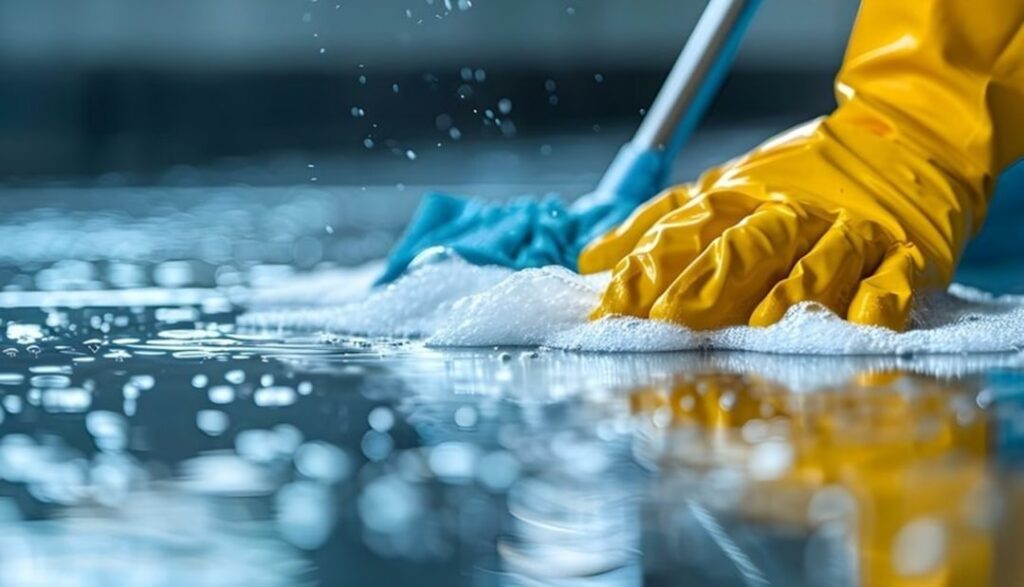
Fill your bucket with warm water first, then add the product and swirl gently so you do not create a mountain of suds. Suds are the enemy here — the more foam you see, the more residue you are about to spread. Mop in small sections, wringing the mop nearly dry before each pass. The floor should look barely damp, never wet and sudsy.
The step most people skip is the rinse. After you finish mopping, dump the bucket, refill with plain warm water, and go over the whole floor a second time. This lifts the fragrance film off the surface while leaving just enough scent in the air to smell fresh for a day or two. Skipping this pass is the difference between a floor that sparkles and one that feels sticky underfoot by the weekend.
Which Floors Can Handle a Gain Mixture
Sealed surfaces tolerate a diluted gain floor cleaner best. Glazed ceramic and porcelain tile, sealed grout, and finished concrete all handle an occasional Gain-scented mopping with a proper rinse. These surfaces are non-porous, so residue sits on top where your rinse pass can remove it rather than soaking in.
Luxury vinyl plank and sheet vinyl are borderline. They can take a very light, well-rinsed pass, but their wear layers hold onto film more stubbornly than tile, and repeated detergent mopping can leave a haze that requires a vinegar-water reset to strip. Use the dish soap version, not laundry detergent, and rinse twice if you go this route.
Floors to Never Clean With Gain
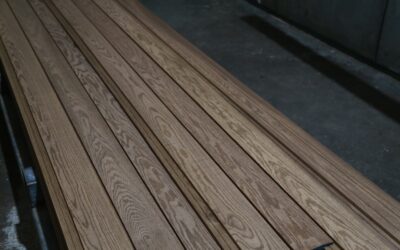
Some surfaces should never meet a laundry product. Hardwood tops that list. Water and detergent are both enemies of a wood finish; the moisture raises the grain and the surfactant residue dulls the polyurethane over time. Use a cleaner formulated for wood instead, such as Bona or Method’s wood-floor spray. Laminate is nearly as risky because water seeps into the seams and swells the fiberboard core, and detergent film makes laminate look permanently cloudy.
Unsealed stone — slate, travertine, marble, or unglazed saltillo — is also off limits. Stone is porous and drinks up the fragrance oils, which can discolor lighter surfaces and leave odor that never fully clears. Natural stone needs a pH-neutral stone cleaner, full stop. Finally, avoid Gain on any waxed or oil-finished floor, because detergent cuts through the protective layer you paid to have applied.
Better Alternatives That Still Smell Great
If your real goal is a fresh-smelling home rather than the Gain brand specifically, a handful of purpose-built floor cleaners deliver comparable scent without the residue risk. Fabuloso Lavender and Pine-Sol Lavender Clean both run about $4 to $6 a bottle and are formulated to rinse cleanly off sealed floors. Mrs. Meyer’s multi-surface concentrate, around $9, gives a strong fragrance and is safe on sealed hard surfaces at roughly a quarter cup per gallon.
For the wood and laminate owners who still crave that laundry-fresh feeling, run a Gain dryer sheet across baseboards and register vents, or add a few drops of a laundry-scented essential oil to a room diffuser. You get the scent you love without ever putting laundry product on a floor that cannot handle it.
Quick Troubleshooting for a Sticky Floor
If you have already mopped with too much Gain and the floor feels tacky, do not panic. Mix one cup of white vinegar into a gallon of warm water and mop the whole area, then rinse with plain water. The mild acidity cuts the alkaline detergent film without harming sealed tile or vinyl. You may need two passes on a badly built-up floor. Going forward, cut your product amount in half and never skip the rinse, and your homemade gain floor cleaner routine will leave floors clean, glossy, and pleasantly scented instead of sticky.
The bottom line: there is no bottle of Gain floor cleaner on the shelf, but with a teaspoon of dish soap, a big bucket of water, and a disciplined rinse pass, you can safely bring that signature scent to any sealed floor in your home.
Prefer to explore on your own?
See how new flooring looks in your actual room in seconds — free, no signup.
Try the free Floor Studio →