The average two-car garage measures 22 by 22 feet, which is 484 square feet of conditioned-adjacent space that most homeowners treat like a junk drawer. Smart garage decorating ideas reclaim that footprint as usable home territory without spending $20,000 on a full conversion. Done right, a $1,500 to $4,000 garage upgrade adds visible value to the home and makes daily life easier the moment you pull in the driveway. After spec-ing out garage refreshes for clients ranging from car enthusiasts to weekend woodworkers, I have learned the upgrades that actually pay off start with the floor and the walls, not the gadgets.
Start with the Floor Surface
Bare concrete looks utilitarian and stains permanently from oil drips, deicing salt, and tire marks. The two best floor finishes for garages are epoxy coatings and polyaspartic systems. Rust-Oleum EpoxyShield at $80 to $120 per 2-car kit covers 500 square feet and comes in gray, tan, and dark gray. The coating cures in 24 hours and resists hot tire pickup if applied above 60 degrees Fahrenheit.
Polyaspartic coatings from professional installers like GarageExperts or Penntek run $5 to $8 per square foot installed and cure in 1 day rather than the 3 to 5 days that traditional epoxy needs. The finish is more chemical-resistant and UV-stable, which matters if your garage has west-facing windows or a single-car opening.
For renters or budget projects, interlocking PVC garage floor tiles from RaceDeck or Swisstrax at $3 to $6 per square foot snap together over bare concrete without adhesive. The tiles let moisture pass through and can be lifted to clean the slab underneath.
Wall Treatments Beyond Pegboard
Slatwall panels from StoreWall or Proslat at $50 to $120 per 4 by 8 sheet replace the patchwork pegboard look with a clean horizontal channel system. Hooks, bins, and shelves clip into the channels and reposition in seconds, which makes the wall flexible as your storage needs change.
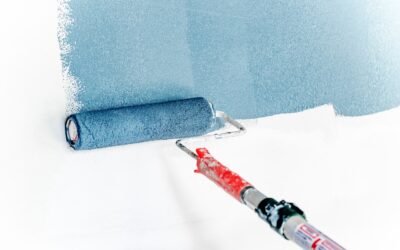
For aesthetic value without the storage commitment, painted drywall in a satin sheen looks finished and clean. Sherwin-Williams Aerospace satin enamel at $55 a gallon stands up to scuffs and cleans with a damp cloth. Light gray colors like Benjamin Moore Stonington Gray HC-170 hide oil drips and tire scuffs better than white.
If your garage has unfinished stud walls, insulating and drywalling runs $4 to $7 per square foot of wall area, plus $1,500 to $2,500 for a typical 2-car garage. The insulation also drops ambient temperatures by 10 to 20 degrees in summer and makes the space usable year-round.
Lighting That Changes Everything
Most garages ship with a single 60-watt incandescent or one weak fluorescent strip, which is enough to back the car in but useless for any actual work. Upgrade to LED shop lights at 4000K to 5000K color temperature with at least 4,000 lumens per fixture. The Hyper Tough 5000-lumen LED shop light at $20 each from Walmart is the budget pick; the Sunco Lighting LED utility light at $35 each delivers better color rendering.
For a 484-square-foot 2-car garage, install four shop lights in two rows of two, spaced 8 feet apart. Total lumen output of 16,000 to 20,000 puts the space at 35 to 40 foot-candles, which is bright enough for detailed work like changing brake pads or assembling furniture.
Add task lighting at workbench areas with under-cabinet LED strips or swing-arm desk lamps. A separate switched circuit for the work lights lets you save energy when the garage is just being used for parking.
Storage Systems Worth the Money
Wall-mounted overhead racks from FleximountsClassic or SafeRacks at $150 to $300 hold 400 to 600 pounds suspended from ceiling joists. They work for seasonal items, luggage, and bulky low-use storage above garage door tracks. Verify joist locations and use 5/16 inch lag bolts at minimum 3.5 inches into solid wood.
Cabinet systems from Husky, Kobalt, NewAge Products, or Gladiator GarageWorks range from $400 for a 4-piece starter kit to $4,000 for a full 12-foot wall system. The metal cabinets resist moisture and pests better than IKEA-style particleboard furniture for garage use.
For tools, a magnetic strip from KMC at $20 holds knives, screwdrivers, and small wrenches against a wall stud. A bicycle hoist system at $25 per bike lifts road bikes and mountain bikes overhead to clear floor space.
Climate Control for Year-Round Use
Insulating the garage door costs $200 to $600 for a kit from Garage Door Insulation Kit or Owens Corning. The R-value upgrade from R-2 (uninsulated steel) to R-12 (insulated steel sandwich) drops temperature swings by 15 to 25 degrees in transitional seasons.
For dedicated heating and cooling, a Mr. Cool DIY mini-split at $1,200 to $2,400 handles a 2-car garage with no professional installer needed. The 18,000 BTU unit covers up to 750 square feet and runs on a standard 240-volt circuit. Without climate control, the garage temperature in Phoenix can hit 130 degrees and in Minnesota can drop to minus 10 degrees, both ranges that ruin stored items and make work impossible.
Color and Personality
Garages do not have to be gray on gray. A single accent wall in a bold color anchors the space without overwhelming it. Sherwin-Williams Naval SW 6244 or Benjamin Moore Hale Navy HC-154 on the back wall behind a workbench creates a clean photography backdrop for project documentation and adds visual depth to a long narrow space.
For car enthusiast garages, checkered flag patterns on accent walls or vinyl floor decals work without committing to permanent paint. Wall-mounted neon signs in metal frames from Banggood at $30 to $80 add character.
Workbench and Project Space
A solid workbench is the heart of any functional garage. The Husky 6-foot adjustable height workbench at $300 to $400 includes drawers and a wood top, which is the right starting point for most homeowners. For more serious work, a metal workbench with a butcher block top from Seville Classics at $250 to $500 handles vises and clamps without flexing.
Mount the workbench under your brightest light fixture, with at least 36 inches of clearance behind for the cars to clear. Include a 20-amp circuit with at least 4 GFCI outlets along the back wall for power tools.
The best garage decorating ideas balance form and function. Aesthetics matter, but the space has to work first. Start with floor, lighting, and storage, then layer personality with paint and accents.