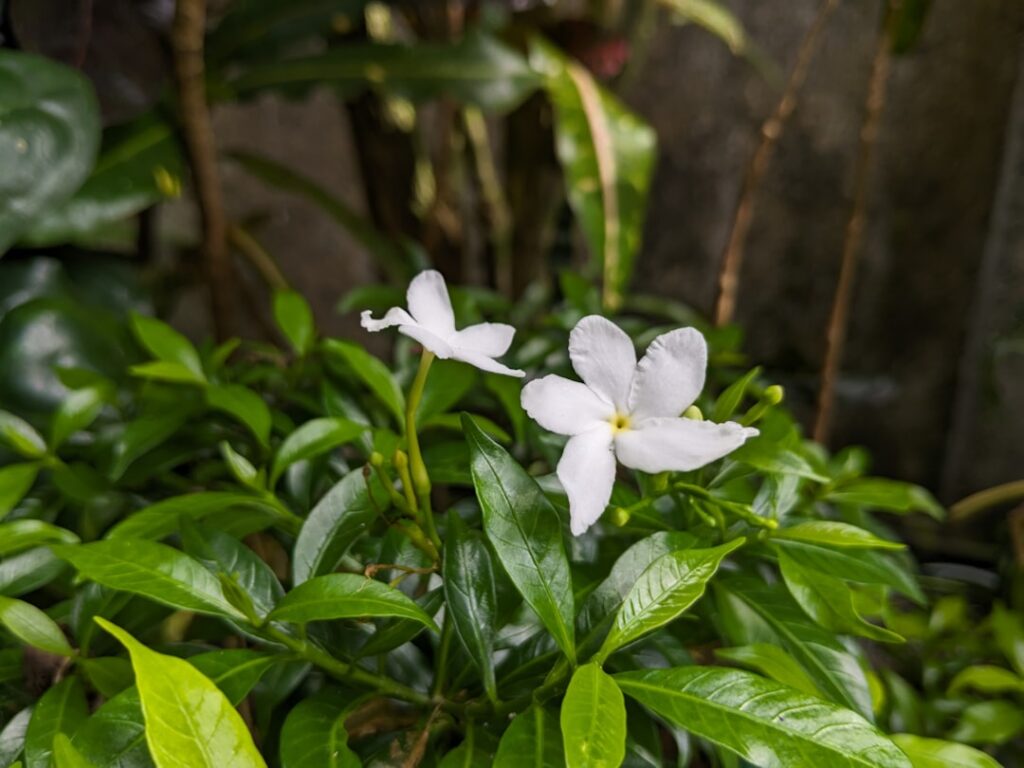
Nothing sells a summer evening quite like the scent of gardenia drifting across a porch. That perfume is also the reason so many people give up on the plant. A gardenia bush rewards you with waxy white blooms and glossy evergreen leaves, but it asks for acidic soil, steady moisture, and warmth in return, and it drops buds or yellows its foliage the moment those conditions slip. Get the site right at planting and the fussiness mostly disappears.
Choosing the Right Variety
Most garden gardenias are cultivars of Gardenia jasminoides, hardy in USDA zones 7 through 11. Within that range the variety matters more than most buyers realize. “August Beauty” reaches 4 to 6 feet and reblooms from spring into fall. “Frostproof” is the choice for zone 7 gardeners because it tolerates temperatures down near 5 degrees Fahrenheit and resists the late frosts that ruin buds on other types. “Radicans” is a low, spreading form under 2 feet, good for edging and containers. “Kleim’s Hardy” offers single flowers and better cold tolerance. Match the mature size to your spot before you buy, since a plant crammed against a foundation will sulk.
Site and Soil Requirements
Give a gardenia morning sun with afternoon shade in hot climates, or full sun in cooler coastal areas. Six hours of light supports the heaviest bloom, but scorching afternoon rays in the South bleach the leaves and stress the roots. The plant is genuinely picky about one thing above all: soil acidity. It wants a pH between 5.0 and 6.5. In neutral or alkaline soil the roots cannot take up iron, and the leaves turn yellow between green veins.
Before planting, test your soil. If the pH runs above 6.5, work in elemental sulfur or a generous amount of peat moss and pine bark fines. Good drainage is equally important. Gardenias hate wet feet, so amend heavy clay with compost and coarse material, or plant in a raised bed.
How to Plant
Spring or early fall gives roots time to establish before extreme weather. Dig a hole twice as wide as the root ball and exactly as deep. Setting the plant slightly high, with the top of the root ball an inch above grade, keeps water from pooling around the stem.
- Loosen the root ball if it is pot-bound, teasing circling roots outward.
- Backfill with the native soil blended with compost and pine bark.
- Water deeply to settle the soil and eliminate air pockets.
- Mulch with 2 to 3 inches of pine straw or shredded bark, which also acidifies as it breaks down.
Space multiple bushes 3 to 6 feet apart depending on the mature width of your variety. Crowding cuts air circulation and invites fungal problems.
Watering and Feeding
Consistency is the watchword. Gardenias want the soil evenly moist, never soggy and never bone dry. Plan on 1 inch of water per week, more during heat, delivered at the base rather than overhead so the foliage stays dry. Fluctuating moisture is the fastest route to bud drop, where fat buds yellow and fall before opening.
Feed with a fertilizer formulated for acid-loving plants, the same type sold for azaleas and camellias. Apply in early spring as growth resumes and again in early summer. Stop feeding by August so you do not push tender growth into fall. If the leaves yellow despite correct feeding, a supplemental dose of chelated iron or Epsom salts, about a tablespoon dissolved in a gallon of water, greens them up.
Pruning and Shaping
Prune right after the main flush of bloom finishes, usually by late summer. Because gardenias set next year’s buds on the current season’s growth, cutting in fall or winter removes the flowers you were waiting for. Remove dead or crossing branches, then shorten stems to shape the plant and encourage bushiness. A light annual trim keeps a bush dense and full rather than leggy. Sterilize your pruners between plants to avoid spreading disease.
Troubleshooting Common Problems
Yellow leaves are the classic gardenia complaint and usually mean one of three things: soil that is too alkaline, iron deficiency, or overwatering that has drowned the roots. Check the pH first, then adjust water. A few older leaves yellowing and dropping in spring is normal and needs no action.
Bud drop, where buds form but never open, points to inconsistent watering, a sudden temperature swing, low humidity, or being moved. Keep moisture steady and mist container plants in dry indoor air. Sticky leaves and black sooty mold signal sucking insects. Aphids, whiteflies, mealybugs, and scale all target gardenias, and horticultural oil or insecticidal soap sprayed every 7 to 10 days brings them under control. Whitish powder on leaves is powdery mildew, cured by better airflow and a fungicide if it spreads.
Growing Gardenias in Pots and Cold Climates
North of zone 7, grow gardenias in containers and overwinter them indoors or in a bright, cool room around 55 to 65 degrees Fahrenheit. Use a peat-based potting mix formulated for acid lovers, and choose a pot only an inch or two larger than the root ball, since these plants bloom better slightly root-bound. Indoors they need bright light, humidity above 50 percent, and steady moisture. Set the pot on a tray of pebbles and water, and keep it away from heating vents that dry the air.
Bring container gardenias outside once nights stay above 50 degrees, harden them off gradually, and return them before the first fall frost. Whether in the ground or a pot, a gardenia bush that gets acidic soil, even moisture, and warm nights will perfume your whole yard from late spring well into fall.
Encouraging More and Longer Bloom
Gardenias set their flower buds in response to specific conditions, and a few habits noticeably increase the number of blooms you get. Night temperature matters more than most people realize; buds form best when nights run between 60 and 65 degrees Fahrenheit and days stay under about 85. In regions with very hot summer nights, bloom naturally pauses in midsummer and resumes as things cool. Steady moisture during bud formation prevents the aborted buds that fall before opening. Deadheading spent flowers keeps the plant tidy and, on reblooming varieties like ‘August Beauty’, encourages a second flush. And because gardenias bloom on new growth, that light post-bloom pruning actually stimulates the fresh shoots that carry next season’s flowers.
Mulch plays a quiet but important role here too. A 2- to 3-inch blanket of pine straw keeps the shallow roots cool and evenly moist through summer heat, and as it decomposes it gently acidifies the soil, reinforcing the low pH gardenias need. Refresh it each spring and pull it back an inch from the stem to prevent rot.
Winter Protection in Borderline Zones
If you garden at the cold edge of gardenia territory, in zone 7 where hard freezes are possible, a few precautions carry plants through winter. Choose a cold-hardy variety like ‘Frostproof’ and site it in a protected spot, near a south or east wall that radiates warmth and blocks cold north wind. Water deeply before a hard freeze, since hydrated plants resist cold damage better than dry ones, and mound extra mulch over the root zone in late fall. During an unusual cold snap, drape the shrub with a frost cloth or old sheet in the evening and remove it once temperatures rise. Even if a hard winter burns the foliage, an established gardenia often resprouts from the base in spring, so do not give up on a plant that looks dead until you have waited through late spring. Cut back the damaged wood once new growth shows you what survived.
A few extra degrees of protection can make the difference between a plant that sails through winter and one that dies to the ground. Group container gardenias together against a warm wall so they shelter each other, and avoid feeding or heavy pruning in late summer, since the soft new growth that follows is the most cold-tender part of the plant. Plants that go into winter well hydrated, mulched, and hardened off consistently outperform stressed ones, so the care you give in fall directly determines how much bloom you get the following spring.