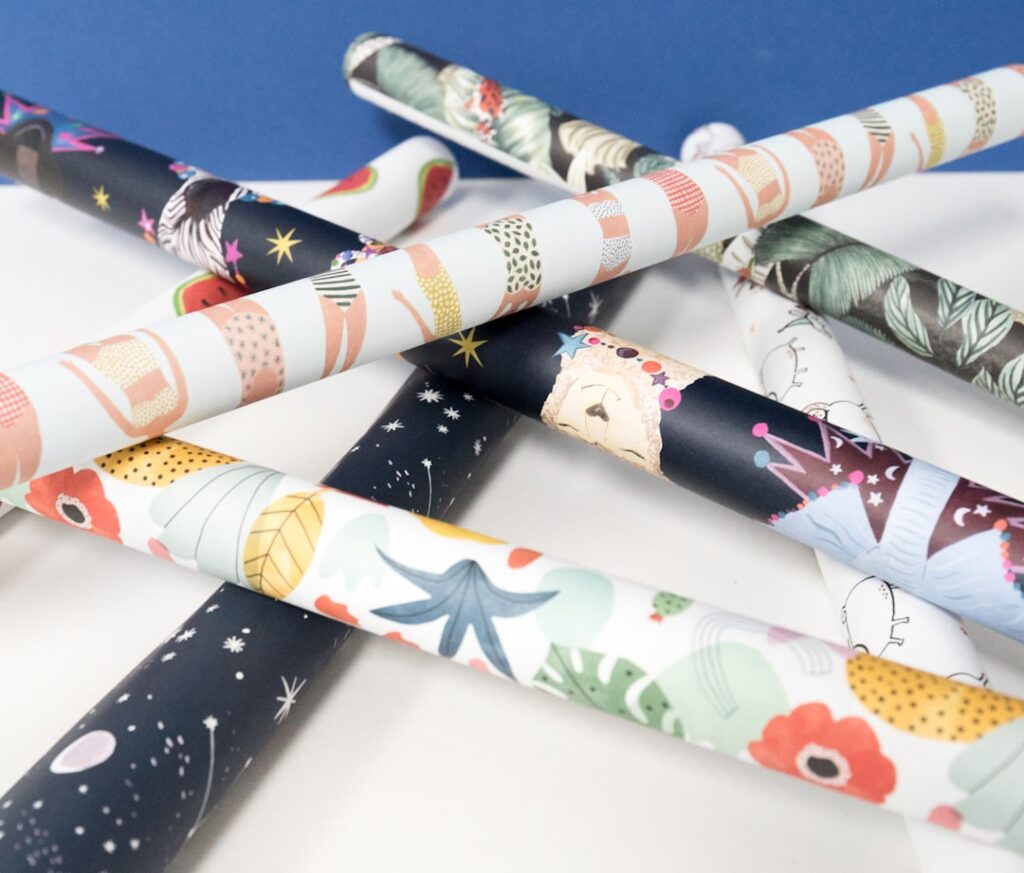
The average US household keeps between four and ten partial rolls of wrapping paper at any time, and most of them end up crushed, torn, or lost in the back of a closet. A dedicated gift wrap storage container solves that by holding rolls upright or flat in a single protected space, saving you money and the annual scramble before birthdays and holidays. This guide explains the main types, the right size to buy, and how to organize everything inside.
Why a Dedicated Container Matters
Wrapping paper is fragile. Standing rolls loose in a closet leads to bent tubes and torn ends, and ribbon left in a drawer turns into a tangled knot. Beyond the frustration, there is real waste: a torn last foot of paper can make a full roll unusable for a large box. A purpose-built container keeps rolls straight, separates accessories, and protects everything from dust, sunlight fading, and accidental crushing. Over a few years it easily pays for itself by extending the life of your supplies.
Main Types of Gift Wrap Storage Containers
There is no single best option. The right container depends on your storage space, the size of your collection, and whether you store flat or upright.
Under-Bed Storage Boxes
Long, low containers slide under a standard bed and hold rolls lying flat. They are ideal for small homes and apartments where closet space is scarce. Look for ones rated for standard 30-inch and longer rolls; many cheaper models only fit 24-inch craft rolls.
Upright Tote Bags and Bins
Tall fabric or hard-sided bins stand rolls vertically, often in a corner or closet. Vertical storage takes up little floor space and lets you see every roll at a glance. The downside is that very long rolls can lean and crease if the bin is not tall enough.
Hanging Organizers
These hang from a closet rod or the back of a door and feature pockets for rolls plus mesh compartments for ribbon, tape, scissors, and bows. They keep everything off the floor and are excellent for renters who cannot install shelving.
Hard-Shell Storage Cases
Rigid plastic cases with latching lids offer the most protection, especially in basements or garages where humidity and pests are concerns. They stack well and resist crushing, though they cost more and weigh more than fabric options.
Choosing the Right Size
Size is where most buyers go wrong. Measure before you shop using these guidelines.
- Roll length: Standard rolls are 30, 36, or 40 inches long. Buy a container at least as long as your longest roll plus an inch of clearance.
- Capacity: Count your current rolls and add room for two or three more. Most families need a container that holds 15 to 25 rolls.
- Accessory space: Confirm there are separate pockets for ribbon, tape, gift bags, and tags so they do not crush the paper.
- Storage location: Measure your under-bed clearance, closet shelf depth, or door width before committing to a shape.
Materials and Durability
Containers come in three common materials, each with trade-offs. Non-woven polypropylene fabric is lightweight, inexpensive, and breathable, but it offers little crush protection. Clear or solid PVC and polyester with reinforced zippers last longer and resist tearing. Hard polypropylene plastic is the most durable and the best choice for damp or dusty storage areas. For most indoor closet use, a sturdy fabric tote with a stiffened base strikes the best balance of price and protection. Expect to spend roughly 15 to 40 dollars depending on size and material in the typical US market.
How to Organize the Inside
A container only helps if the contents are arranged thoughtfully. Use this system to keep everything accessible.
- Group rolls by occasion, keeping birthday, holiday, and neutral all-purpose papers in separate clusters.
- Stand or lay rolls so the patterned side faces inward, protecting the print from snags.
- Slip a rubber band or paper sleeve around each roll to stop it unrolling.
- Store ribbon spools on a dowel or in mesh pockets so strands stay separated.
- Keep a small zip pouch with scissors, tape, gift tags, and a pen so you never hunt for supplies mid-wrap.
DIY Gift Wrap Storage Ideas
If you would rather not buy a container, several inexpensive solutions work well.
- Garment bag: A hanging garment bag holds rolls upright and zips closed against dust for just a few dollars.
- Tall kitchen trash bin: A clean, unused bin makes an instant upright caddy in a closet corner.
- PVC pipe rack: Wide-diameter pipe sections mounted to a board create individual roll slots.
- Over-the-door shoe organizer: Clear pockets hold ribbon, bows, tape, and small rolls.
These cost little and reuse items many homeowners already own.
Where to Place Your Container
Location affects how long your supplies last. Avoid attics and garages that swing between hot and cold, because heat curls paper and humidity warps it. The best spots are climate-stable interior closets, under a bed, or on a shelf in a spare room. Keep paper out of direct sunlight, which fades colorful prints within months. If you must store in a basement, choose a sealed hard-shell case and add a moisture absorber packet to fight dampness.
Maintenance and Seasonal Tips
Twice a year, do a quick inventory. Discard crushed or faded rolls, top up tape and tags, and consolidate near-empty ribbon spools. After a major gift-giving season, refill the container while supplies are on clearance, which is the cheapest time to restock. A five-minute tidy keeps the system working so next year you reach for a clean roll instead of digging through a closet.
Final Thoughts
A good gift wrap storage container is one of the cheapest organizing upgrades a home can make, and it pays off every time a celebration rolls around. Measure your longest roll first, choose a shape that fits your available space, and add separate compartments for accessories. Whether you buy a purpose-built tote or repurpose a garment bag, the goal is the same: protected, upright, easy-to-find supplies. At D and G Flooring we remind homeowners that smart storage is the same principle whether it is flooring materials or wrapping paper, keep things off the damp floor, protected from crushing, and organized so you can find what you need in seconds.