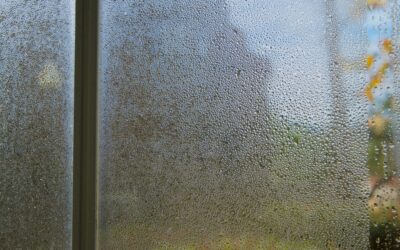
If your shower enclosure has turned cloudy and streaked, the right glass shower door cleaner can bring it back to a crystal-clear finish in one afternoon. The white film you see is a stubborn combination of soap scum, body oils, and hard-water mineral deposits, and no single product tackles all three the same way. Understanding what you are actually fighting is the fastest route to glass you can see through again.
Part of our Bathroom Remodeling & Flooring guide — explore the full guide →
- What Actually Builds Up on Shower Glass
- Store-Bought Cleaners That Work
- DIY Glass Shower Door Cleaner Recipes
- Step-by-Step Cleaning Method
- Handling Stubborn Hard-Water Etching
- Preventing Buildup So You Clean Less
- Common Mistakes to Avoid
- How Often Should You Clean?
- Matching the Cleaner to Your Water
- Tools That Make the Job Easier
- Natural and Eco-Friendly Alternatives
What Actually Builds Up on Shower Glass
Three culprits cloud shower doors. Soap scum forms when the fatty acids in bar soap react with minerals in your water, leaving a waxy gray film. Hard-water spots are dried calcium and magnesium deposits left behind after water evaporates, and they etch into glass over time if ignored. Body oils and shampoo residue add a greasy layer that traps everything else. A cleaner that dissolves grease may do nothing to mineral scale, which is why homeowners often think a product “stopped working.” The truth is you may need two chemistries: an acid for minerals and a surfactant or mild solvent for the oily film.
Store-Bought Cleaners That Work
Several proven products handle most shower glass without heavy scrubbing. Here are reliable choices you can buy at any home center or grocery store:
- CLR (Calcium, Lime, Rust): A phosphoric and lactic acid blend that dissolves heavy mineral scale. Dilute 1:1 with water for glass, rinse within two minutes, and never use it on natural stone.
- Bar Keepers Friend Soft Cleanser: Contains oxalic acid; gentle enough for glass when used as a paste and rinsed quickly. Excellent on rings and etched-looking spots.
- Rain-X Shower Door Cleaner or Kaboom Shower, Tub & Tile: Formulated surfactant sprays that target soap scum with minimal effort.
- Weiman Glass Cleaner or Invisible Glass: Best for the final streak-free polish, not for heavy scale.
Expect to pay $4 to $9 for most of these. One bottle typically lasts several months of weekly cleaning.
DIY Glass Shower Door Cleaner Recipes
You can mix an effective cleaner from ingredients already in your kitchen, and many homeowners prefer the low cost and lack of harsh fumes. The classic recipe is equal parts white distilled vinegar and Dawn dish soap. Warm the vinegar in the microwave for about 30 seconds, combine it with the Dawn in a spray bottle, and shake gently. The vinegar’s acetic acid attacks mineral deposits while the degreasing soap lifts the oily scum.
Spray it on liberally, let it dwell for 15 to 30 minutes so the acid has time to work, then scrub with a non-scratch sponge and rinse. For a paste that clings to vertical glass, mix baking soda with a little vinegar or water until it reaches a toothpaste consistency, spread it on, and let it sit before scrubbing. Avoid combining vinegar with bleach or any product containing ammonia, which creates dangerous fumes.
Step-by-Step Cleaning Method
A consistent process gives the best results and protects the glass:
- Ventilate the bathroom by opening a window or running the exhaust fan.
- Rinse the glass with warm water to loosen surface grime.
- Apply your chosen cleaner from the bottom up to prevent streaky drip lines.
- Let it dwell the full recommended time. Patience does most of the work.
- Scrub in circular motions with a microfiber cloth or non-abrasive pad.
- Rinse thoroughly with clean water.
- Squeegee the glass, then buff dry with a lint-free microfiber towel for a streak-free shine.
For severe, years-old buildup, you may need two rounds. Resist the urge to reach for a razor blade or steel wool, which will permanently scratch tempered shower glass.
Handling Stubborn Hard-Water Etching
If spots remain after cleaning and feel rough to the touch, the minerals may have etched the surface. A commercial product like Bio-Clean Hard Water Stain Remover or a cerium oxide glass-polishing compound can buff out light etching. Apply the polish with a felt pad or a variable-speed drill attachment on low RPM, working small sections and keeping the glass wet. Deep etching that has been building for a decade may not fully clear, which is exactly why prevention matters so much.
Preventing Buildup So You Clean Less
The secret to easy shower glass is stopping deposits before they harden. The single most effective habit is keeping an inexpensive squeegee in the shower and running it over the glass after every use. This 20-second task removes the water before minerals can dry and bond. Additional prevention tips:
- Switch from bar soap to a liquid body wash or gel, which contains far fewer scum-forming ingredients.
- Apply a rain-repellent coating such as Rain-X Shower Door Water Repellent or Enduroshield every few months to make water bead and roll off.
- Install a water softener if you have hard water, which also protects fixtures, water heaters, and appliances throughout the home.
- Wipe the glass dry with a microfiber towel a few times a week.
- Leave the shower door open after use so the enclosure dries fully.
Common Mistakes to Avoid
Homeowners often sabotage their own results. Using an abrasive scrubbing pad or magic-eraser too aggressively can micro-scratch the surface, making it look permanently cloudy. Letting acidic cleaners sit too long can dull the finish or damage nearby metal frames and hardware, so rinse on schedule. Skipping the dwell time and scrubbing immediately wastes effort because the chemistry has not had time to break the bonds. Finally, cleaning only the glass while ignoring the metal track and rubber sweep lets grime and mildew keep transferring back onto the door.
How Often Should You Clean?
A quick spray-and-squeegee once a week keeps most shower doors clear indefinitely. A deeper clean with an acidic product every three to four weeks handles any mineral creep. If you follow the daily squeegee habit, you may only need a deep clean seasonally. Compared with replacing an etched shower door, which can run $500 to $1,500 for a quality frameless enclosure, a few dollars of cleaner and a couple of minutes a day is an easy trade.
Matching the Cleaner to Your Water
Your local water chemistry should steer your product choice. Homes on hard well water or in mineral-heavy regions like the Southwest, Texas, and the Midwest deal with far more calcium scale, so an acidic cleaner (vinegar, CLR, or oxalic acid) does the heavy lifting. Homes with soft water see less mineral spotting but more soap-scum film, where a degreasing surfactant matters most. If you are unsure, an inexpensive water-hardness test strip from a hardware store tells you exactly what you are up against. Knowing your water saves money and frustration, because you stop buying products that fight the wrong problem. Households with very hard water often find that no cleaning routine keeps up until they address the water itself with a softener.
Tools That Make the Job Easier
The right tools cut cleaning time dramatically. A quality squeegee with a fresh silicone blade is the most valuable, followed by a stack of microfiber cloths, which lift residue and buff streak-free far better than paper towels or cotton rags. A non-scratch scrub sponge or a soft-bristle grout brush reaches into corners and along the metal frame. A spray bottle lets you apply and control DIY solutions. For high or large enclosures, an extendable squeegee saves ladder trips. Magic-eraser melamine pads work on stubborn spots but should be used gently and sparingly, since aggressive rubbing can dull the glass over time. Avoid steel wool, razor blades, and abrasive powders that scratch tempered glass permanently.
Natural and Eco-Friendly Alternatives
If you prefer to skip harsh chemicals, several gentle options work surprisingly well. Fresh lemon juice contains citric acid that dissolves light mineral spots and leaves a pleasant scent; cut a lemon in half and rub it directly on the glass. A paste of baking soda and water gently scrubs away scum without scratching. Undiluted white vinegar in a spray bottle handles most everyday buildup. For a streak-free finish, a splash of vinegar in water with a microfiber cloth beats commercial glass cleaner for many homeowners. These pantry solutions cost pennies, produce no fumes, and are safe around kids and pets, though they may need more dwell time and elbow grease than a dedicated commercial product on heavy buildup.
Clear shower glass is less about scrubbing harder and more about matching the cleaner to the mess and staying consistent. Pair an acidic mineral remover with a degreasing soap, let it dwell, squeegee daily, and your shower door will stay bright and spotless with a fraction of the effort you are spending now.