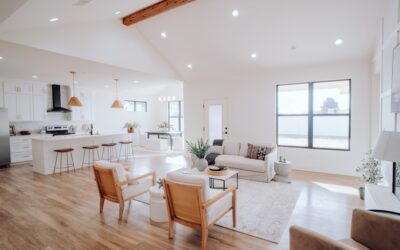
Acacia is one of those species that polarizes — the dramatic color variation and chatoyant grain pattern that some homeowners love, others find too busy. Add a high-gloss finish and the visual impact doubles. Gloss acacia flooring delivers a mirror-bright surface that highlights the wood’s natural sapwood-to-heartwood contrast and amber-to-chocolate color play. This guide covers the species specs, top brand options, pricing, install methods, and the honest pros and cons of choosing a high-gloss finish in 2026.
Why Acacia Has Caught On
Acacia is harder than most domestic hardwoods. The Asian acacia species (Acacia confusa, Acacia mangium) commonly used in flooring delivers a Janka hardness around 2,300 lbf — significantly harder than red oak at 1,290 and white oak at 1,360. Brazilian cherry hits 2,350, so acacia sits in the same elite tier for dent resistance.
The grain pattern is what sells the species visually. Tight wavy grain, color streaks running from cream to dark walnut within a single plank, and natural mineral streaks deliver a hand-crafted look that uniform-grain oak can’t match.
Solid vs Engineered Acacia
Solid 3/4-inch acacia runs $4 to $8 per square foot for the wood, with the smaller short-plank format (12 to 36-inch lengths) at the budget end and select-grade long-plank at the top. Solid acacia is dimensionally stable for its hardness — the species naturally has lower moisture exchange than maple or birch.
Engineered acacia in 5-inch or wider plank format with a 2 to 4-mm sawn top layer costs $4 to $7 per square foot. Engineered handles radiant heat and basement subfloors that would stress solid wood. Both formats commonly come in pre-finished gloss SKUs.
What “Gloss” Actually Means
Finish gloss is measured at 60 degrees with a glossmeter. Matte finishes register 5 to 15 gloss units. Satin reads 25 to 35. Semi-gloss hits 50 to 60. True high-gloss runs 80 to 100 gloss units. Most factory-finished acacia “gloss” flooring lands in the 70 to 85 range.
The finish chemistry is almost always UV-cured aluminum oxide urethane, applied in 5 to 8 coats during manufacturing. Aluminum oxide is one of the hardest finishes available and delivers a 25 to 35-year wear warranty in the better SKUs.
Pros of Gloss Acacia
The dramatic visual impact is the headline. Gloss acacia in afternoon light glows with chatoyance — the wood seems to shift color as you walk past. The hard Janka rating means actual dent and scratch resistance under furniture and pet claws. Pricing is competitive with red oak in most markets despite the harder species and exotic-look appeal.
Brands like Mohawk Maxwell Hardwood, Bruce Lock and Fold, Mannington Mountain View, and Cali Bamboo Fossilized Acacia all stock gloss SKUs with reliable supply lines and proven warranties.
Cons to Weigh Honestly
High-gloss telegraphs everything. Every scuff, scratch, footprint, and dust speck shows immediately. Pet households, mudroom-adjacent kitchens, and homes with kids will see visible wear within months. The same floor in satin or matte hides 80 percent of the same marks.
The color variation in acacia means matching boards between production runs is nearly impossible. Order at least 12 percent overage and inspect every box. Reject any with raw white sapwood streaks if you want a more uniform look — or specifically request them for maximum visual drama.
Gloss finishes can read dated in 5 to 10 years as design trends shift toward matte and natural oil looks. Refinishing solid acacia to a different sheen is possible but adds $3 to $6 per square foot to maintenance budget.
Pricing Tiers
Budget gloss acacia from Lumber Liquidators (LL Flooring), Floor and Decor, or Home Depot starts at $2.50 to $4 per square foot for engineered. Mid-tier solid acacia from Cali Bamboo, Mohawk, or Bruce sits at $4 to $7. Premium solid 5-inch acacia from Hallmark Floors or Hurst Hardwoods can reach $8 to $11.
Installation labor for nail-down solid runs $3 to $5 per square foot. Glue-down engineered adds $4 to $6 per square foot. Floating click-lock at $2 to $4 is rare for acacia because most product is nail-down or glue-down construction.
Installation Method by Subfloor
For 3/4-inch plywood subfloors over wood joists, nail-down 3/4-inch solid acacia is the standard. Use 2-inch cleat nails or 16-gauge L-cleats at 6 to 8-inch spacing through the tongue.
For concrete slabs on or below grade, engineered acacia glued down with a moisture-rated polyurethane adhesive like Bostik GreenForce, Bona R850T, or DriTac 7500 is the right call. Run ASTM F2170 moisture testing first — readings should be under 75 percent RH for wood floors.
Maintenance Realities
Sweep or vacuum daily with a hard-floor head. Damp mop weekly using a wood-specific pH-neutral cleaner like Bona Hardwood Floor Cleaner or Mohawk FloorCare Essentials. Microfiber dust mops handle daily light cleaning between deeper mopping.
Felt pads on furniture legs are mandatory — gloss acacia shows drag marks from a single chair scrape. Area rugs in high-traffic zones extend the life of the finish significantly.
How Acacia Compares to Oak and Hickory
Versus white oak at 1,360 Janka, acacia at 2,300 is significantly harder and more dent-resistant. White oak still offers cleaner grain and more uniform color, which buyers in higher-end markets often prefer. Pricing on solid acacia tends to run $1 to $3 per square foot below comparable white oak.
Versus hickory at 1,820 Janka, acacia is harder and visually busier. Hickory delivers a similar dramatic color range but in warmer brown-to-blonde tones rather than acacia’s amber-to-chocolate. Both species reward customers who want character; oak rewards customers who want refinement.
Refinishing Options
Solid acacia can be sanded and refinished 4 to 6 times over its life. The aluminum oxide factory finish is hard to sand through cleanly — many pros use a chemical recoat system like Bona Pacific Strong before applying new urethane. Engineered acacia with a 2-mm top layer is essentially single-recoat product; a 4-mm top layer allows one full sand-and-finish.
For homeowners committed to the gloss acacia look long term, a recoat every 8 to 12 years keeps the finish bright. For those who want to switch to a softer sheen, a full sand and finish to matte or satin runs $5 to $9 per square foot and modernizes the floor instantly.
Prefer to explore on your own?
See how new flooring looks in your actual room in seconds — free, no signup.
Try the free Floor Studio →