If you have ever walked across a gym floor speckled with colorful flecks, you have stood on granulated rubber. Granulated rubber flooring is made by binding recycled rubber granules — typically from reclaimed tires — into dense rolls, mats, or interlocking tiles. It is tough, shock-absorbing, affordable, and one of the most eco-friendly flooring options available because it diverts waste tires from landfills. For gyms, garages, play areas, and any space that takes a beating, it is hard to beat on durability per dollar.
I have installed crumb-rubber floors in home gyms and equipment rooms. Here is exactly what this material does well, where it falls short, and how to choose the right format.
What Granulated Rubber Flooring Is
The material starts as scrap rubber, primarily old tires, that is cleaned and ground into small granules — often called crumb rubber. Those granules are bound together with a polyurethane binder and pressed into rolls, square tiles, or thick mats. You can see the granular texture in the finished surface, frequently flecked with EPDM color granules for a more decorative look.
Thickness ranges from about 8mm for light residential use up to 25mm or more for heavy weightlifting and impact zones. The thicker the floor, the more shock it absorbs and the more it protects both your joints and the subfloor below.
Pros of Granulated Rubber Flooring
- Extremely durable — it resists abrasion, impact, and heavy loads for 15 to 20 years.
- Shock absorption — cushions dropped weights and reduces joint fatigue during workouts.
- Slip resistant — the textured surface grips well even when slightly damp.
- Eco-friendly — made from recycled tires, keeping waste out of landfills.
- Affordable — among the cheapest durable surfaces at roughly $1.50 to $4 per square foot.
- Low maintenance — sweep and damp-mop; it shrugs off dropped equipment.
The Cons to Consider
The look and smell are the main drawbacks. Granulated rubber has an industrial, speckled appearance that suits a gym or garage but not a living room, and new rolls or tiles often carry a strong rubber odor that can take weeks to fade — sometimes longer in poorly ventilated rooms. Sensitive individuals may find the off-gassing bothersome at first.
The material is also porous compared to solid or virgin rubber, so it can absorb liquids and odors if spills are not cleaned promptly, and it stains from oils and certain chemicals. Heavy rolls are awkward to handle and may require two people and adhesive for a permanent install. And while durable, granulated rubber is not a premium aesthetic surface, so it does not add residential resale value.
Where It Works Best
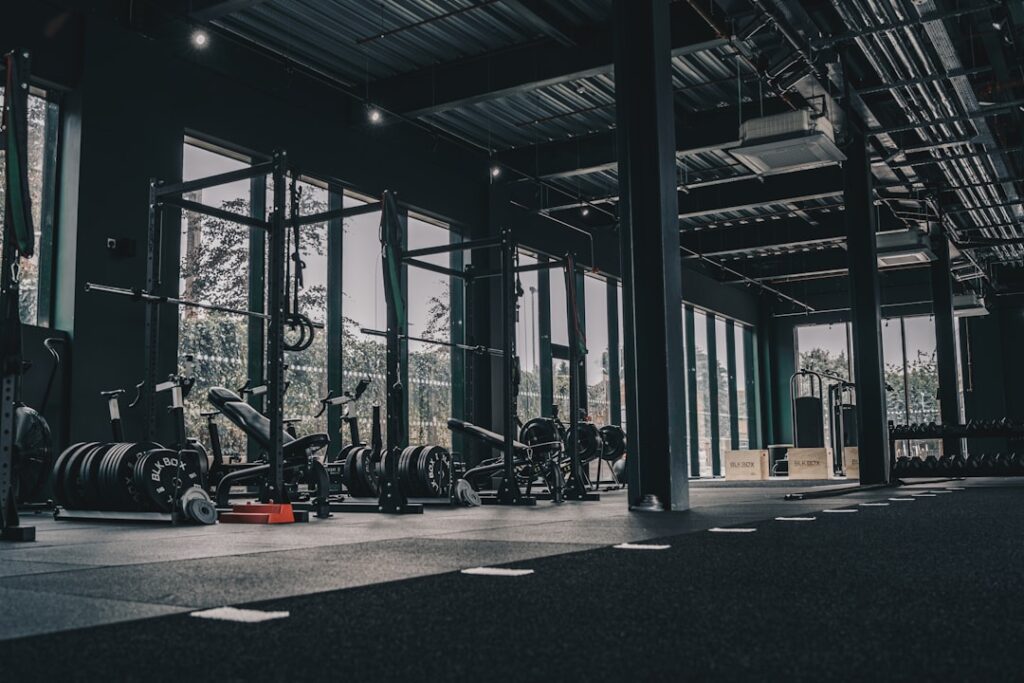
Home and commercial gyms are the flagship use, where the shock absorption protects floors from dropped dumbbells and barbells while cushioning the lifter’s joints. Garages benefit from its toughness under tools, jacks, and foot traffic. Playgrounds and play areas use thick rubber for fall protection, and the material also appears in equestrian facilities, weight rooms, and industrial spaces where impact resistance matters more than looks.
Formats: Rolls vs Tiles vs Mats
- Rolls: Best for large, seamless areas; cover floors fast but are heavy and usually glued down.
- Interlocking tiles: DIY-friendly, removable, and easy to transport; ideal for home gyms and garages.
- Mats: Drop-in protection for specific zones like under a squat rack or treadmill; simplest to install.
Cost Breakdown
Granulated rubber is one of the best values in durable flooring. Material runs $1.50 to $4 per square foot depending on thickness and color content. Interlocking tiles and mats can be installed yourself with no labor cost. Glued-down rolls add $1 to $3 per square foot for professional installation. A 200 sq ft home gym in mid-thickness tiles typically lands between $400 and $900 in materials, installed by you over a weekend.
Installation Tips
- Acclimate and air out the rubber for a few days to reduce odor before sealing the room.
- Prep a clean, dry, flat subfloor — debris and bumps telegraph through and shorten the floor’s life.
- Choose your method — interlocking tiles for removable installs, adhesive for permanent roll installations.
- Cut with a sharp utility knife and a straightedge; score and snap thicker pieces.
- Ventilate well during the first few weeks to clear the initial rubber smell.
How to Choose the Right Thickness
Matching thickness to use is the most important spec decision. For a home gym used mostly for cardio, bodyweight work, and light dumbbells, 8mm to 12mm gives adequate cushioning and protection. If you do heavy free weights or use a platform, step up to 15mm or even 20mm to absorb the impact of dropped barbells and protect both the slab and the bar plates. Dedicated Olympic lifting stations often use 25mm or thicker tiles, sometimes doubled up under the platform.
For garages and general-purpose spaces, 8mm to 10mm is usually sufficient since the priority is durability and traction rather than shock absorption. Playground installations are governed by fall-height ratings, so always confirm the product meets the relevant safety standard for the equipment height it surrounds.
Reducing the Rubber Odor
The off-gassing smell is the most common complaint about new granulated rubber, so it is worth managing proactively. Unroll or unbox the flooring in a well-ventilated space for several days before final installation. Wiping the surface with a mild vinegar-and-water solution can help neutralize odor, and running fans or opening windows accelerates the process. The smell is strongest in the first few weeks and fades substantially over a month or two; choosing products with higher EPDM content rather than pure recycled tire crumb also tends to reduce it. In a closed basement gym, plan for ventilation during the break-in period.
Is Granulated Rubber Flooring Right for You?
Granulated rubber flooring is the smart choice when durability, shock absorption, and value top your list — and aesthetics take a back seat. For home gyms, commercial fitness spaces, garages, and play areas, nothing matches its combination of toughness, joint protection, and low cost, all while recycling waste tires. Just plan for the industrial look and an initial rubber odor that needs ventilation to clear. If you want a softer feel and a more refined appearance for a living space, step up to luxury rubber or vinyl. But for a workout room or garage that needs to survive years of abuse, granulated rubber is one of the best-value floors you can buy.
Prefer to explore on your own?
See how new flooring looks in your actual room in seconds — free, no signup.
Try the free Floor Studio →