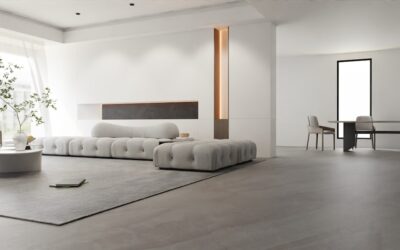
Gray dominated luxury vinyl plank sales from 2017 through 2023, peaking at roughly 38 percent of all wood-look LVP sold in the United States. Gray LVP flooring still moves significant volume in 2026, especially in coastal and modern-style homes, but the market has split into clearly distinct gray families that read very differently on a 1,200 square foot install. After installing more than 14,000 square feet of gray LVP across client projects, here is what works, what looks dated already, and how to choose a shade that ages well.
The Three Gray Families You Will See
Gray LVP breaks down into three primary undertone families, and mixing them up is the most common selection mistake.
- Cool blue grays: stark, modern, reads cold in north-facing rooms
- Warm greige (gray-beige): versatile, transitional, hides dirt well
- Driftwood grays: weathered look with white and brown accents
Cool blue grays peaked in popularity around 2019 and now look dated in many design contexts. Greige and driftwood tones have aged better and continue to feel current in 2026.
Pros That Keep Gray LVP Relevant
Gray hides dust, pet hair, and minor scuffs better than dark espresso or light blonde tones. For homes with shedding dogs or kids tracking in dirt, the maintenance advantage is real and noticeable.
It pairs cleanly with both white and dark cabinets, neutral wall colors, and most furniture finishes. Greige tones especially are nearly impossible to clash with anything you bring into the room later.
Resale appeal remains strong in modern and transitional homes. Buyers in the 25 to 45 age bracket actively seek gray flooring, and listings with gray LVP move 8 to 12 percent faster than those with dated carpet or beige tile in many markets.
Cons and Style Risks
Cool grays look cold and clinical in rooms with limited natural light. North-facing rooms, basements, and densely shaded spaces need warm grays or greige to feel inviting rather than institutional.
Trend risk is real. Cool blue grays already feel slightly dated, and aggressive gray tones may continue losing favor through the late 2020s as warmer wood tones return to dominance. If you plan to stay 10-plus years, factor this in.
Some lower-end gray LVP suffers from limited color variation between planks, creating a flat, unrealistic appearance. Pay attention to “color variation” or “high variation” labels when shopping. This single spec separates believable from obviously fake.
Top Gray LVP Brands and Lines
The following brands consistently deliver realistic gray tones with good wear layers and reliable click systems.
- COREtec Pro Plus in Calais Oak or Whitfield Oak: $4.50-$5.50/sq ft
- SmartCore Ultra in Blue Ridge Pine: $3.49-$4.59/sq ft
- LifeProof Sterling Oak: $2.99-$3.49/sq ft
- Shaw Floorte Pro in Anvil Plus Bistro: $4.20-$5.20/sq ft
- Mannington Adura Max Margate Oak: $4.80-$5.80/sq ft
- Mohawk RevWood Plus Hartwick Coastal: $3.49-$4.20/sq ft
Wear layer matters more than core type for residential durability. Look for 20 mil minimum on dog and kid heavy households, 12 mil for adult-only homes.
Real Cost for a Typical Install
2026 pricing for a 1,000 square foot gray LVP install with mid-grade product runs in the following ranges.
- Material with 8 percent waste: $3,500 to $5,500
- Underlayment if not pre-attached: $250 to $500
- Transitions, T-moldings, quarter round: $200 to $400
- Subfloor prep, leveling: $200 to $1,000
- Professional installation: $2.00 to $4.00 per sq ft, $2,000 to $4,000
- Existing floor removal: $0.50 to $2.50 per sq ft
DIY install is realistic for handy homeowners. Plan 200 to 350 square feet per day for one person working alone, faster with a helper.
Design Pairings That Work
Gray LVP pairs reliably with white shaker cabinets, navy island accents, and brushed nickel hardware in modern farmhouse kitchens. Add warm wood elements like a butcher block counter section or open shelving to break up the cool tone.
In living rooms, mix textures aggressively. A nubby tan jute rug, leather sofa, and warm walnut accent pieces prevent the room from feeling like a showroom. Plants and warm metals (brass, antique brass) add life and warmth.
Avoid full-room cool gray combinations. Gray walls plus gray floors plus gray furniture reads cold and drained. Always introduce at least two warm elements per room to balance the temperature.
Installation Tips Specific to Gray Tones
Mix planks aggressively from at least four different boxes throughout the install. Gray LVP shows pattern repeats more obviously than busy wood-look designs because the eye notices the consistent gray field. Random mixing distributes the repeats so they read as natural variation.
Acclimate boxes flat-stacked for 48 hours minimum at 60 to 80 degrees Fahrenheit. Maintain 5/16 inch expansion gaps at all walls and obstructions. For rooms longer than 40 feet or wider than 30 feet, plan a transition strip to break up expansion stress.
Care That Maintains the Color
UV exposure can fade gray LVP unevenly, especially near south and west facing windows. Quality LVP carries UV inhibitors in the wear layer, but window film or UV-blocking shades extend color life noticeably.
Sweep daily and damp mop weekly with Bona LVT cleaner or Mr. Clean Multi-Surface diluted per label. Avoid steam mops, wax-based cleaners, and abrasive scrub pads, all of which damage the wear layer over time. With proper care, modern gray LVP flooring realistically lasts 25 to 30 years and holds its color throughout.
Frequently Asked Questions
Is gray LVP going out of style?
Cool blue grays are losing favor, but warm greige and driftwood tones remain popular and design-forward. Choose timeless mid-tone grays with warm undertones rather than stark cool tones if longevity matters to you.
What wall color works best with gray floors?
Warm whites like Sherwin-Williams Alabaster, Benjamin Moore Swiss Coffee, or BM White Dove pair beautifully without clashing. Avoid pure cool whites like decorator white, which amplify the gray tone and create a chilly atmosphere.
Does gray LVP show dust more than other colors?
Mid-tone grays hide dust well. Very dark grays show dust and lint as readily as black. Very light grays show dirt and pet hair more obviously. Mid-tone gray with visible color variation is the best hide-everything choice.
Can I install gray LVP over radiant heat?
Yes, both electric mat and hydronic systems work with most rigid-core LVP rated for radiant. Maximum surface temperature is typically 85 degrees Fahrenheit. Verify the specific product’s radiant rating before purchase.
Prefer to explore on your own?
See how new flooring looks in your actual room in seconds — free, no signup.
Try the free Floor Studio →