
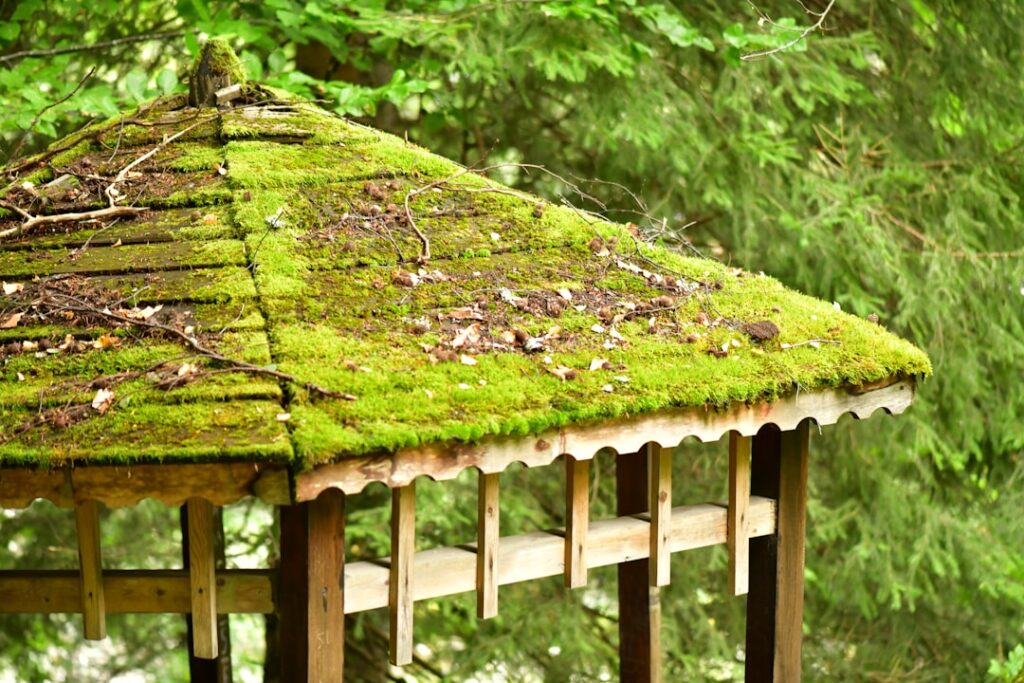
A roof planted with sedum can hold back most of the stormwater that hits it and stay dramatically cooler than asphalt baking at 150°F beside it. That is the promise of green roofing — living roof systems that layer waterproofing, drainage, engineered soil, and plants over a conventional structure. Long standard in Germany and increasingly mandated on new commercial construction in cities like Denver and Toronto, green roofs are now within reach of American homeowners with the right roof and budget. They are also widely misunderstood: a living roof is a constructed system with strict structural requirements, not dirt shoveled onto shingles. Here is how the systems actually work, what they cost, and who should consider one.
Extensive vs Intensive: The Two Families
Green roofs divide by soil depth and weight. Extensive systems use 3 to 6 inches of lightweight engineered growing medium planted with drought-hardy sedums, sempervivums, and grasses. Saturated weight runs 15 to 35 pounds per square foot, maintenance is minimal, and the roof is visited a few times a year, not lived on. This is the residential workhorse. Intensive systems — true roof gardens — carry 8 inches to several feet of medium supporting shrubs, vegetables, even trees, at saturated weights of 50 to 150-plus pounds per square foot. They demand irrigation, regular gardening, and structural engineering equivalent to designing an occupied floor. A middle category, semi-intensive, blends the two at 25 to 50 pounds per square foot with more plant variety than pure sedum mats.
For most homes, garages, studios, and additions, extensive is the realistic conversation, and it is what the costs and specs below describe unless noted.
The Layer Stack, Bottom to Top
Every professional green roof is the same sandwich, though products vary:
- Structural deck: engineered to carry the saturated system plus snow and live loads.
- Waterproof membrane: the critical layer — typically EPDM, TPO, or PVC rated for burial. Root-resistant membranes or a separate root barrier stop aggressive roots from finding seams.
- Protection mat: cushions the membrane from tools and abrasion.
- Drainage layer: dimpled plastic panels or granular media that move excess water to drains while cups retain some for dry spells.
- Filter fabric: keeps soil fines from clogging the drainage below.
- Growing medium: not garden soil — an engineered blend of expanded shale or clay, sand, and limited organics, chosen for weight and drainage.
- Plants: sedum mats (instant coverage), plugs (cheaper, 1 to 2 seasons to fill), or cuttings.
Edging, gravel border strips at perimeters and penetrations, and accessible drain inspection chambers complete the assembly. Slopes up to about 10 degrees are straightforward; steeper roofs up to roughly 30 degrees need slope stabilization grids and are specialist territory.
What Green Roofing Costs
Installed extensive systems on residential projects typically run $15 to $30 per square foot; intensive systems start around $25 and can exceed $60. A 400-square-foot garage roof therefore lands between $6,000 and $12,000 for extensive coverage — several times the cost of asphalt over the same area. Structural work, if required, is additional and can be substantial on existing buildings. Two partial offsets exist: membrane life extension (shielded from UV and thermal cycling, membranes under green roofs routinely last 40-plus years, about double exposed service) and municipal incentives. Portland, Washington DC, Philadelphia, Chicago, and others have offered stormwater-fee discounts or per-square-foot rebates that meaningfully change the math — check your city’s stormwater utility before pricing anything. DIY modular tray systems (pre-planted sedum trays around $20 to $30 per square foot retail) reduce labor but not materials cost, and still require a structural check and a burial-rated membrane beneath them.
The Benefits, Quantified Where Possible
Stormwater is the headline: extensive roofs typically retain 50 to 80 percent of annual rainfall, delaying and shrinking peak runoff — the reason cities subsidize them. Thermal performance is next: the planted assembly shades and evapotranspires, keeping membrane temperatures tens of degrees cooler than exposed roofing on summer afternoons, cutting cooling loads on the space below (most valuable on poorly insulated structures; a code-insulated attic sees smaller savings). Green roofs also dampen sound, create pollinator habitat, reduce urban heat island contribution, and — not to be discounted — turn a view of gravel or asphalt into a garden. On the property-value side, the effect is real but local: in green-roof-friendly markets they are an amenity; elsewhere they can read as a maintenance question mark to buyers.
The Constraints and Failure Modes
Structure comes first, always. An extensive roof adds up to 35 pounds per square foot saturated — plus snow — and most existing residential roofs were framed for far less. A structural engineer’s evaluation ($300 to $800) is the mandatory first dollar spent; retrofitting framing can cost more than the green roof itself. Waterproofing is the second constraint: leak repair under a planted assembly means excavating the garden to find the membrane, so cheap membranes and skipped root barriers are catastrophic false economies. Electronic leak detection installed at construction is worth its modest cost. Maintenance is the third reality: extensive roofs are low-maintenance, not no-maintenance — plan two to four visits per year for weeding out tree seedlings, checking drains, and spot-replanting, plus watering during establishment (the first one to two seasons) and severe droughts. Neglected sedum roofs become weed roofs, and clogged drains become ponds.
Who Should Actually Do This
The best residential candidates are low-slope roofs on structures where the load question is easy: new construction designed for it, garages and additions where reinforcement is simple, and flat-roofed modern homes with documented capacity. Climate matters less than expected — sedum systems survive from Minnesota to Texas with correct species selection — but wind-exposed high-rise conditions and deep-shade sites need specialist design. If you are re-roofing a flat roof anyway, that is the golden moment: the membrane upgrade from a standard to a burial-rated system is incremental, and the green roof amortizes against work you were already paying for.
A Realistic Maintenance Calendar
Extensive roofs succeed or fail on a rhythm of small visits, so put them on the calendar rather than trusting memory. In spring, walk the roof once the medium thaws: pull tree seedlings and invasive weeds while roots are shallow, check that drains and scupper boxes cleared the winter’s debris, top-dress any bare patches with fresh medium, and plug in replacement sedum where winter kill shows. Early summer is fertilizer season — a single light application of slow-release, low-nitrogen fertilizer formulated for green roofs, and no more, because overfeeding produces lush growth that flops in drought. Water deeply during establishment and during any rainless stretch beyond three or four weeks; mature sedum shrugs off normal droughts.
Fall matters most on treed lots: leaf mats smother sedum and clog drains, so a leaf-blowing visit after drop, plus a final drain inspection before freeze-up, prevents the two most common winter failures. Year-round, keep the perimeter gravel strips clear of encroaching plants — they are fire breaks and inspection zones, not planting area — and photograph the roof each visit so decline shows up as a trend rather than a surprise. Budget honestly: two to four visits of one to three hours each, or $500 to $1,500 annually for a maintenance contract on a residential-scale roof. That line item is the entire difference between a 40-year asset and a weed field.
Getting It Built
Sequence the project in this order: structural evaluation, then city incentive and permit research, then design. Choose between a single-source system (Sempergreen, LiveRoof, Zinco, American Hydrotech and similar suppliers provide warranted assemblies) or a custom build-up by a roofer experienced with protected membranes — for a first green roof, the warranted system is worth its premium. Insist on a root-resistant membrane with a flood test or electronic leak scan before anything goes over it, keep perimeter gravel strips and drain access in the design, and buy the establishment-period maintenance contract if offered. Green roofing done this way is a 40-year asset that works harder than any other surface on the property; done casually, it is a very heavy way to grow weeds. The difference is entirely in the engineering.


