
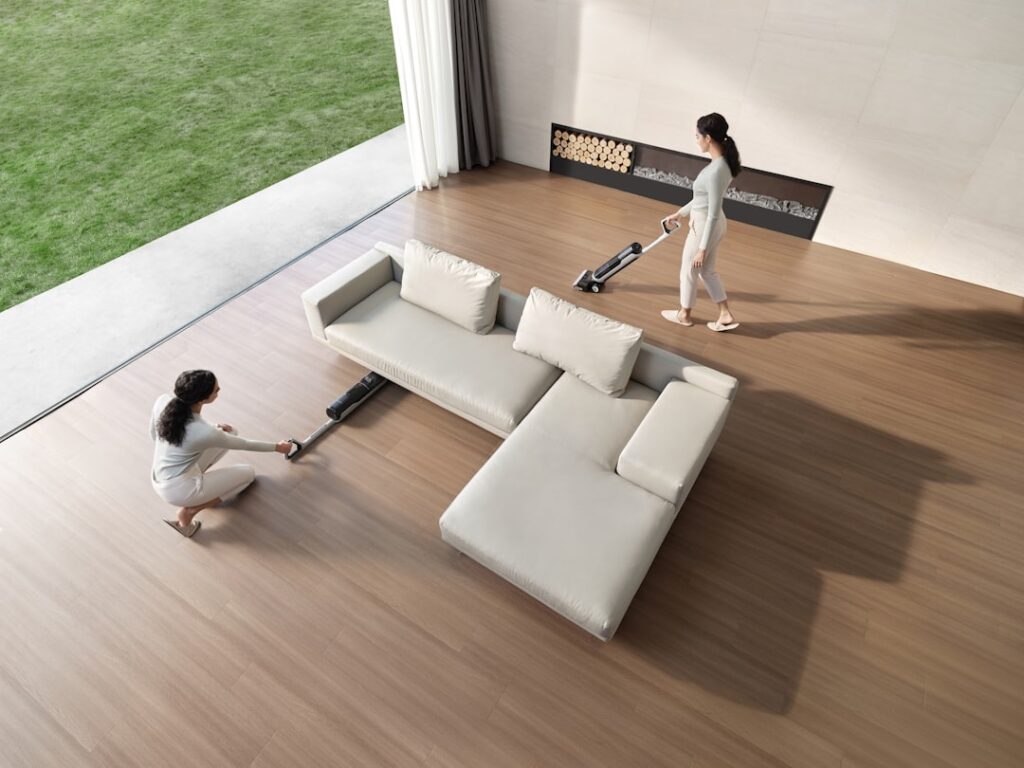
Choosing the right hardwood floor cleaner is one of the most important decisions you can make for the longevity of your wood floors. The wrong product can leave sticky residue, dull the finish, or cause permanent damage. The right one keeps your floors looking like the day they were installed.
We tested and researched dozens of products to rank the best hardwood floor cleaners available today. This guide covers everything from commercial cleaners to DIY solutions, proper mopping technique, and the products you should never use on wood floors. Whether you have solid hardwood flooring or engineered wood flooring, the advice here applies to both.
- Top 6 Hardwood Floor Cleaners Ranked
- Hardwood Floor Cleaner Comparison Table
- Spray vs Concentrate vs Wipes: Which Format Is Best?
- What to Look for in a Hardwood Floor Cleaner
- Polyurethane vs Oil-Finished Floors: Different Cleaning Needs
- DIY Hardwood Floor Cleaning Solutions: The Vinegar Debate
- Products and Methods to Avoid on Hardwood Floors
- How to Clean Hardwood Floors: Proper Mopping Technique
- Hardwood Floor Cleaning Schedule
- Spot Cleaning Tips for Hardwood Floors
- Frequently Asked Questions About Hardwood Floor Cleaners
Top 6 Hardwood Floor Cleaners Ranked
Not every wood floor cleaner is created equal. Here are the six best options based on cleaning power, residue, safety for finishes, and overall value.
1. Bona Hardwood Floor Cleaner
Bona hardwood floor cleaner is the industry standard for a reason. It is pH-neutral, residue-free, and safe for all polyurethane-finished hardwood. Bona dries quickly without streaking and does not leave the sticky film that many competitors do. It is available as a ready-to-use spray or a concentrate, and the spray mop kit is one of the most convenient cleaning systems on the market.
Bona is the cleaner most flooring professionals recommend, and many hardwood manufacturers include it in their care guidelines. If you are unsure what to buy, start here.
2. Murphy Oil Soap
Murphy Oil Soap has been a household name for decades. It is a concentrated formula that works well on sealed hardwood floors and leaves a subtle clean scent. The key with Murphy is dilution — use one-quarter cup per gallon of water. Too much creates a hazy buildup that dulls your finish over time.
Murphy is best suited for occasional deep cleaning rather than daily use. It is affordable and widely available, making it a solid backup to a spray cleaner like Bona.
3. Method Squirt + Mop Wood Floor Cleaner
Method offers a plant-based, non-toxic formula that appeals to homeowners who want fewer chemicals in their cleaning routine. The squirt-and-mop design eliminates the need for a bucket. It cleans effectively on light to moderate dirt and leaves a pleasant almond scent.
Method is not the strongest option for heavy grime, but for weekly maintenance on a busy household’s oak flooring or other sealed hardwood, it does the job well.
4. Black Diamond Stoneworks Wood and Laminate Floor Cleaner
Black Diamond is a spray-and-mop cleaner that works on both hardwood and laminate. It is streak-free, biodegradable, and one of the more affordable options on this list. The formula is pH-neutral and safe for polyurethane finishes.
Where Black Diamond stands out is versatility. If you have multiple floor types in your home, you can use one product across hardwood, laminate, and engineered wood without switching bottles.
5. Rejuvenate Professional Wood Floor Restorer and Cleaner
Rejuvenate offers both a cleaner and a separate floor restorer. The cleaner is a solid pH-balanced formula for routine maintenance. The restorer fills in micro-scratches and adds a protective layer that restores shine without traditional waxing.
A word of caution: the restorer product is not the same as the cleaner. The restorer adds a coating that some refinishing professionals say can interfere with future sanding and refinishing. Use the cleaner for regular hardwood floor cleaning, and only use the restorer if you understand the trade-offs.
6. Bruce Hardwood and Laminate Floor Cleaner
Bruce is a no-rinse, ready-to-use spray cleaner made by one of the largest hardwood flooring manufacturers in North America. It is designed specifically for urethane-finished floors and is one of the few cleaners explicitly recommended by a major flooring brand for their own products.
Bruce is straightforward and reliable. It will not wow you with scent or marketing, but it cleans effectively and leaves no residue. It is a particularly good choice if you have Bruce brand flooring and want to stay within the manufacturer’s warranty guidelines.
Hardwood Floor Cleaner Comparison Table
| Brand | Type | Price Range | Best For | Residue-Free | Scent |
|---|---|---|---|---|---|
| Bona Hardwood Floor Cleaner | Spray / Concentrate | $8 – $15 | All poly-finished hardwood | Yes | Unscented / Cedar |
| Murphy Oil Soap | Concentrate | $4 – $8 | Deep cleaning sealed floors | No (rinse recommended) | Original oil scent |
| Method Squirt + Mop | Spray | $5 – $8 | Weekly maintenance, eco-friendly | Yes | Almond |
| Black Diamond Wood & Laminate | Spray | $10 – $18 | Multi-floor households | Yes | Mild / unscented |
| Rejuvenate Cleaner | Spray | $7 – $12 | Routine cleaning, scratch repair (restorer) | Yes | Fresh scent |
| Bruce Floor Cleaner | Spray | $8 – $14 | Urethane-finished floors, warranty compliance | Yes | Mild |
Spray vs Concentrate vs Wipes: Which Format Is Best?
Hardwood floor cleaners come in three main formats. Each has its place in a good cleaning routine.
Spray Cleaners
Ready-to-use sprays like Bona hardwood floor cleaner spray are the most convenient option. You mist the floor and mop it up. There is no mixing, no bucket, and no guessing on dilution ratios. Spray cleaners are best for quick daily or weekly cleaning.
Concentrates
Concentrates like Murphy Oil Soap require dilution in water. They are more economical per use and better for full-room deep cleaning where you need a mop and bucket. The downside is that incorrect dilution — using too much product — is the most common cause of residue buildup on hardwood floors.
Cleaning Wipes
Disposable floor wipes are designed for spot cleaning and small messes. They are handy for kitchens and entryways but are not practical or economical for cleaning an entire room. Use them as a supplement to your main cleaner, not a replacement.
What to Look for in a Hardwood Floor Cleaner
When shopping for a wood floor cleaner, these are the qualities that matter most.
- pH-neutral formula — Hardwood finishes are sensitive to acidity and alkalinity. A pH-neutral cleaner (around 7 on the scale) cleans effectively without degrading your finish.
- No-residue formula — Residue attracts dirt, creates a hazy appearance, and builds up over time. Look for products that specifically state they are residue-free.
- Safe for your finish type — A cleaner designed for polyurethane finishes can damage an oil-finished floor and vice versa. Always check the label.
- No added wax or polish — Products that claim to clean and shine often contain wax or acrylic that coats the floor. This creates problems down the line, especially when it comes time to refinish.
Polyurethane vs Oil-Finished Floors: Different Cleaning Needs
This is one of the most overlooked aspects of hardwood floor cleaning. The finish on your floor determines which cleaners are safe to use.
Polyurethane-Finished Floors
Most modern hardwood floors, including white oak flooring installed in the last 20 years, have a polyurethane finish. This is a hard, plastic-like coating that sits on top of the wood. You are cleaning the finish, not the wood itself.
Polyurethane floors are compatible with most commercial hardwood cleaners including Bona, Black Diamond, and Bruce. Avoid wax-based products, as wax does not bond to polyurethane and creates a slippery, cloudy layer that is difficult to remove.
Oil-Finished Floors
Oil finishes like Rubio Monocoat or Osmo penetrate into the wood grain rather than sitting on top. They give floors a natural, matte look that is popular in modern design. However, they require different care.
Oil-finished floors should only be cleaned with products specifically designed for oiled wood. Standard hardwood cleaners can strip the oil and leave the wood unprotected. Most oil finish manufacturers sell their own cleaning products, and using anything else may void your warranty. These floors also need periodic re-oiling (typically once or twice a year) to maintain their protection.
DIY Hardwood Floor Cleaning Solutions: The Vinegar Debate
Search online for how to clean hardwood floors and you will find countless recommendations for vinegar-and-water solutions. This advice is controversial for good reason.
Why Vinegar Can Damage Hardwood Floors
Vinegar is acidic, with a pH around 2.5. While diluting it with water raises the pH, the solution is still acidic enough to etch polyurethane finishes over time. You may not notice damage after one use, but months of vinegar mopping gradually dulls the finish, removes its protective sheen, and can make the surface more susceptible to scratches and moisture.
On oil-finished floors, vinegar is even more damaging. It strips the oil from the wood and leaves it exposed and dry.
When Vinegar Is Acceptable
Vinegar can work as an occasional spot cleaner for sticky messes on sealed polyurethane floors. A quick wipe with a diluted vinegar solution (one cup per gallon of water) followed by a damp rinse is unlikely to cause noticeable damage. But it should not be your regular cleaning solution for hardwood.
Safer DIY Alternatives
If you prefer a homemade solution, mix a few drops of pH-neutral dish soap (like castile soap) with a gallon of warm water. This is gentle enough for routine use on polyurethane-finished floors and far safer than vinegar. Always wring your mop thoroughly — excess water is the enemy of wood floors.
Products and Methods to Avoid on Hardwood Floors
Some cleaning products and tools will ruin your hardwood floors. Avoid these regardless of your finish type.
- Steam mops — The combination of heat and moisture forces water vapor into the wood grain and between boards. This causes cupping, warping, and finish failure. Nearly every hardwood flooring manufacturer warns against steam mops, and using one can void your warranty.
- Ammonia-based cleaners — Ammonia is highly alkaline and will strip the finish off your floors. Window cleaners and many all-purpose sprays contain ammonia.
- Wax on polyurethane floors — Wax is designed for old-fashioned shellac or lacquer finishes. On polyurethane, it creates a sticky film that yellows over time and makes future refinishing nearly impossible without extensive sanding.
- Oil soap as a daily cleaner — Products like Murphy Oil Soap are fine for occasional deep cleaning, but daily use causes buildup that dulls the floor and attracts grime.
- Wet Swiffer pads and soaking-wet mops — Excessive water seeps into seams and edges, causing the wood to swell, cup, and potentially grow mold underneath.
- Abrasive scrubbers and steel wool — These scratch through the finish and into the raw wood.
- Hardwood floor polish or “mop and shine” products — Most hardwood floor polish products add an acrylic coating that looks shiny at first but traps dirt, builds up unevenly, and complicates refinishing. True shine comes from a well-maintained finish, not a topical polish.
How to Clean Hardwood Floors: Proper Mopping Technique
Even the best hardwood floor cleaner will not perform well if your technique is off. Here is the right way to mop hardwood floors.
Step 1: Dust and Vacuum First
Always remove loose dirt, dust, and grit before mopping. A microfiber dust mop or a vacuum set to the hard floor setting (beater bar off) works best. Skipping this step means you are grinding particles into your finish as you mop.
Step 2: Apply Cleaner Sparingly
If using a spray, mist a thin, even layer on a small section of floor (roughly four-by-six feet). If using a bucket and concentrate, dip your mop and wring it out until it is barely damp. You should never see puddles or standing water on hardwood.
Step 3: Mop with the Grain
Always move your mop in the direction of the wood grain, which follows the length of the boards. This picks up dirt from the grain lines and prevents streaks. Use a flat microfiber mop rather than a string mop for the best results.
Step 4: Buff Dry
After mopping each section, go over it with a dry microfiber cloth or the dry side of your mop pad. This removes any remaining moisture and prevents water spots, especially on darker oak flooring and walnut where spots are more visible.
Hardwood Floor Cleaning Schedule
| Task | Frequency |
|---|---|
| Sweep or dust mop | Daily in high-traffic areas; every 2–3 days elsewhere |
| Vacuum (hard floor setting) | Once or twice per week |
| Damp mop with hardwood cleaner | Once per week (less in low-traffic rooms) |
| Deep clean (concentrate or professional clean) | Every 1–2 months |
| Spot clean spills and stains | Immediately as they occur |
| Re-oil (oil-finished floors only) | Once or twice per year |
| Professional refinishing | Every 7–10 years depending on wear |
Spot Cleaning Tips for Hardwood Floors
Spills and stains happen. How you handle them determines whether they become permanent marks or minor inconveniences.
- Wipe up spills immediately. Water, juice, coffee, and pet accidents should be blotted (not rubbed) with a dry cloth as soon as they happen. The longer liquid sits on hardwood, the more likely it is to penetrate the finish.
- Use a damp cloth for sticky spots. For dried food, syrup, or adhesive residue, lay a damp cloth over the spot for two to three minutes to soften it, then wipe clean. Do not scrape with a knife or metal tool.
- Treat scuff marks with a tennis ball. Rub a clean tennis ball over the scuff mark using moderate pressure. The felt material lifts rubber marks without scratching the finish.
- Remove pet stains promptly. Pet urine is one of the most damaging substances for hardwood. It penetrates the finish and stains the wood black if left too long. Clean it immediately with a hardwood-safe cleaner and dry the area thoroughly.
- Avoid spot-treating with straight vinegar or hydrogen peroxide. Both can bleach or etch the finish. If you need a stronger spot cleaner, use a product specifically formulated for hardwood.
Frequently Asked Questions About Hardwood Floor Cleaners
What is the best hardwood floor cleaner for everyday use?
Bona hardwood floor cleaner is the top recommendation for everyday use. It is pH-neutral, dries without residue, and is safe for all polyurethane-finished hardwood flooring. The ready-to-use spray format makes daily and weekly cleaning fast and easy. For oil-finished floors, use the cleaner recommended by your finish manufacturer instead.
Is vinegar safe for cleaning hardwood floors?
Vinegar is not recommended for regular hardwood floor cleaning. Its acidity (pH around 2.5, even when diluted) gradually dulls and etches polyurethane finishes over time. On oil-finished floors, it strips the protective oil entirely. A pH-neutral cleaner like Bona or a few drops of castile soap in water is a much safer choice for routine mopping.
Can I use a steam mop on hardwood floors?
No. Steam mops force hot moisture into the wood and between boards, which causes warping, cupping, and finish damage. Nearly every hardwood flooring manufacturer explicitly warns against steam mops, and using one will almost certainly void your warranty. A damp microfiber mop with a quality hardwood floor cleaner is the safest and most effective method.
How often should I clean my hardwood floors?
Sweep or dust mop daily in high-traffic areas and every two to three days in the rest of the house. Damp mop with a wood floor cleaner once a week. Deep clean with a concentrate product every one to two months. Spot clean spills immediately to prevent staining. This schedule keeps your floors in excellent condition whether they are solid hardwood or engineered wood flooring.
What is the difference between hardwood floor cleaner and hardwood floor polish?
A cleaner removes dirt, grime, and residue from your floor’s surface. A hardwood floor polish adds an acrylic or wax coating on top of the finish to create shine. While polish makes floors look good temporarily, it builds up over time, traps dirt, and can make professional refinishing more difficult. For most homeowners, a good cleaner is all you need. True shine comes from a well-maintained polyurethane or oil finish, not a topical coating.
Prefer to explore on your own?
See how new flooring looks in your actual room in seconds — free, no signup.
Try the free Floor Studio →

