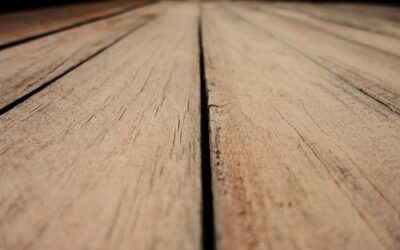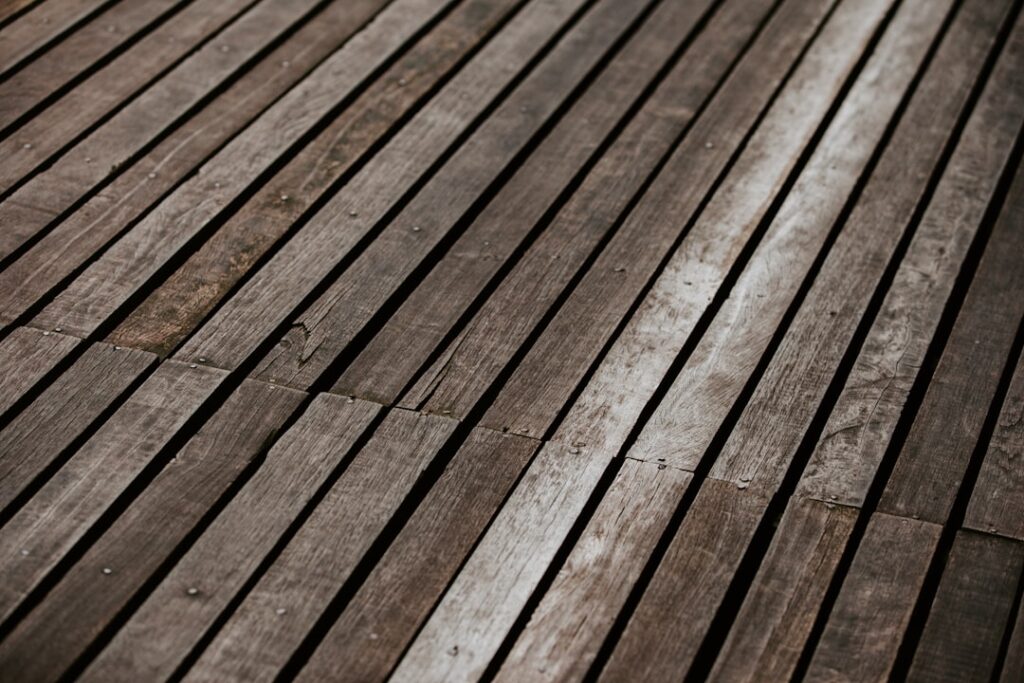
Hardwood floor gaps between planks are one of the most common calls I get every winter, and the first thing I tell homeowners is that not all gaps are a problem. Wood is a natural material that breathes with the seasons — it swells in humid summer air and shrinks in dry winter air — so thin gaps that open in January and close by June are usually normal. The trick is knowing which gaps are harmless seasonal movement and which ones signal a real issue with moisture, the subfloor, or the original installation.
Let me break down what causes gaps, how to judge whether yours are normal, and the practical ways to fix and prevent them.
Why Wood Floors Gap in the First Place
Wood expands and contracts across its width — not its length — in response to the moisture in the air. Indoor humidity swings dramatically with the seasons. In summer, warm humid air pushes indoor relative humidity up, the boards absorb moisture and swell, and gaps close tight. In winter, your heating system dries the air to 20% RH or lower, the boards give up moisture and shrink, and thin gaps open between planks. This cycle is completely normal for solid hardwood.
A useful rule of thumb: a gap the width of a dime or a credit card that appears in the coldest, driest weeks and closes again in summer is seasonal and expected. Wider boards show bigger gaps than narrow strips because there is more width to shrink. Solid hardwood moves more than engineered flooring, which is built specifically to minimize this.
Normal Seasonal Gaps vs. Trouble
Here is how to tell them apart. Normal seasonal gaps are:
- Uniform — roughly the same width across many boards
- Seasonal — they open in winter and disappear in summer
- Thin — dime-width or less, with no height difference between boards
Gaps that suggest a real problem are:
- Year-round — they never close, even in humid months
- Irregular — a few very wide gaps rather than many small even ones
- Growing — widening over time or paired with cupping, crowning, or lifted edges
Persistent or widening gaps point to something beyond normal seasonal movement, and those are the ones worth investigating before you fill anything.
The Real Causes Behind Problem Gaps
When gaps do not resolve with the seasons, one of these is usually the culprit:
- Chronically dry indoor air. Homes heated hard all winter with no humidification can sit below 20% RH for months, drying boards past their normal range and leaving gaps that never fully close.
- Subfloor or slab moisture. Moisture rising from below can swell board bottoms and distort them, forcing uneven gaps and cupping. Common over crawl spaces and concrete.
- Improper acclimation. If the boards were installed before adjusting to the home’s normal humidity — often installed too wet — they shrink permanently as they dry out, leaving gaps that never recover.
- Installation errors. Boards nailed too loosely, wrong fastener spacing, or a floor laid over an unstable subfloor can separate over time.
- Plumbing leaks or spills. Localized water swells boards, and when they dry they can shrink unevenly, creating isolated wide gaps.
How to Fix Hardwood Floor Gaps
The right fix depends on the type of gap. For seasonal gaps, the honest answer is usually to do nothing — if you fill a winter gap, the board will swell in summer and either crush the filler or push boards up. Chasing seasonal gaps with filler causes more problems than it solves.
For gaps worth addressing, your options are:
- Rope or jute filler: for wide gaps in old plank floors, press dyed cotton rope or jute into the gap for a traditional, flexible fill that moves with the wood.
- Wood filler or putty: best for small, stable, year-round gaps. Use a flexible filler tinted to match, and only where boards are no longer moving much.
- Wood slivers / splines: the most durable fix for larger permanent gaps — glue a thin custom-cut strip of matching wood into the gap and sand flush.
- Board replacement: for isolated damage from a leak, cutting out and replacing the affected boards is the cleanest solution.
Whatever method you choose, wait until the driest part of the year — usually late winter — so the gaps are at their widest when you fill them. Filling in summer means the filler pops out when boards shrink again.
Preventing Gaps With Humidity Control
The single most effective thing you can do is stabilize indoor humidity. Wood flooring manufacturers spec an indoor relative humidity of 35% to 50% RH year-round, and staying in that band keeps board movement small and gaps minimal. To hold that range:
- Run a whole-home or portable humidifier in winter to keep RH from crashing below 35%.
- Use air conditioning or a dehumidifier in humid summers to keep RH under 50%.
- Track the room with a cheap digital hygrometer so you are managing to a number, not a guess.
- Address subfloor moisture — a vapor barrier in the crawl space or a properly sealed slab stops moisture from feeding the problem from below.
Keeping the temperature reasonably steady, roughly 65°F to 75°F, helps too, since heating and humidity move together.
How Board Type Affects Gapping
Not every floor gaps the same way, and knowing your flooring helps you set realistic expectations. Solid hardwood moves the most because the entire board expands and contracts with humidity, so solid wide-plank floors show the biggest seasonal gaps. Engineered flooring, built from a cross-laminated core, moves far less and gaps far less — one of the main reasons it is spec’d over concrete and radiant heat.
Width matters too. A 5″ or 7″ solid plank has more than twice the width of a 2 1/4″ strip, so it shrinks more than twice as much in absolute inches, which is why wide-plank floors are more prone to visible winter gaps. Species plays a role as well: some woods are simply more dimensionally reactive than others. If you are still choosing flooring and gapping worries you, narrow engineered boards in a stable species are the least likely to open up.
A Quick Seasonal Checklist
Before you reach for filler, walk through this simple sequence:
- Note the season. Winter gaps that are uniform and thin are almost always normal.
- Measure a hygrometer. If indoor RH has dropped below 35%, dry air is the likely cause — add humidity, not filler.
- Watch through summer. If the gaps close on their own, you have your answer and no repair is needed.
- Check for a moisture source if gaps are wide, uneven, or paired with cupping — test the boards and subfloor with a meter.
- Fill only stable, year-round gaps, and do it in late winter when they are at their widest.
When to Call a Professional
Bring in a flooring pro if gaps are wide and persistent year-round, if you see cupping or crowning alongside the gaps, or if you suspect a moisture source you cannot pin down. A moisture meter reading of the boards and subfloor tells the real story fast, and catching a subfloor or leak issue early prevents a small gap problem from turning into a full floor replacement.
For most homeowners, though, hardwood floor gaps between planks are simply the sound of a natural floor breathing through the seasons. Manage your indoor humidity, resist the urge to fill normal winter gaps, and reserve repairs for the ones that genuinely stay open. Do that and your floor will look tight and healthy for decades.
Prefer to explore on your own?
See how new flooring looks in your actual room in seconds — free, no signup.
Try the free Floor Studio →