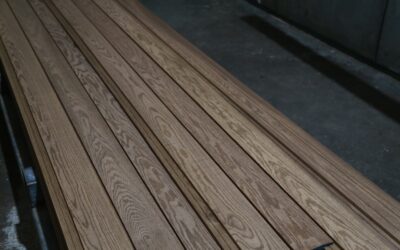
A swirly, dull hardwood floor almost never needs sanding — it needs polishing. The wear layer is fine; the protective topcoat has just gone hazy from foot traffic and improper cleaning. Using a hardwood floor polisher the right way restores 80 to 90 percent of that original shine in an afternoon, costs under $200 if you already own the machine, and adds another two or three years of life before refinishing becomes necessary. Here is how to do it without wrecking the finish.
What a Floor Polisher Actually Does
A polisher uses a rotating or oscillating pad to buff a thin layer of polish into the existing finish. The polish fills micro-scratches in the polyurethane and adds a sacrificial layer that protects the wood underneath. It is not refinishing — there is no sanding, no stripping, and no new stain.
Polish only works on hardwood with an intact urethane or wax finish. If the topcoat has worn through to bare wood in any spots, polishing will discolor those areas. Run a water test first: drop a teaspoon of water on a worn spot. If it beads up, the finish is intact and ready to polish. If it soaks in within 60 seconds, you need to refinish, not polish.
Polisher Types and What They Do Best
Three machine styles dominate the home market:
- Rotary buffer (single-disc): 175 to 300 RPM, 17 to 20 inch pad, professional-grade results. Around $400 to $700, or $40/day rental
- Random orbital polisher: 1,000 to 4,000 OPM with 12 to 13 inch pads. The Bona Power Plus runs $399 and gives near-pro results with no learning curve
- Lightweight handheld polisher: Bissell, Hoover, and similar with 6 to 8 inch pads. $120 to $200, fine for small rooms but slow for whole-house jobs
For a one-time refresh on under 800 sq ft, rent a rotary buffer from a flooring store or Home Depot. For ongoing maintenance every 6 to 12 months, the Bona Power Plus is the best DIY purchase.
Choosing the Right Polish
Not all “hardwood polish” is the same. Three categories matter:
Acrylic polishes (Bona Polish, Quick Shine) are the most common and the easiest to apply. They build up over multiple coats and can be stripped off with Bona Polish Remover when they yellow after 4 to 6 years.
Wax-based polishes are for floors with a wax finish only, never urethane. If you apply wax polish to a poly-finished floor, the next time you refinish, the new poly will not adhere.
Restorers (Rejuvenate Pro Floor Restorer, Bona Refresher) are thicker than polish and contain bonding agents. They fill larger scratches and last longer, but they show streaks if applied carelessly.
Step-By-Step: Polishing a Hardwood Floor
Set aside half a day for an average 400 sq ft living and dining area. The actual application takes 60 to 90 minutes; the rest is prep and cure time.
- Move all furniture and rugs out of the room. Sweep, then vacuum with a soft-brush attachment
- Mop with Bona Hardwood Cleaner (or comparable pH-neutral cleaner). Never use vinegar — it eats finish
- Let the floor dry completely (45 to 60 minutes). The polish will streak on a damp floor
- Pour polish in a 6-inch wide S-pattern across one section. Spread with a microfiber pad attached to a T-bar applicator
- Run the polisher over the wet polish in slow overlapping passes — about 1 foot per second
- Work toward the door so you don’t trap yourself
- Let cure for 1 hour before walking on it (in socks), 24 hours before furniture, 48 hours before rugs
For deep restoration, two coats spaced 2 hours apart give the best result.
Common Mistakes That Ruin a Polish Job
Streaks come from too much polish or applying to a damp floor. The right amount is roughly one quart per 500 sq ft. Anything more pools and dries in puddles.
Yellow buildup happens when you apply new polish over old polish that has turned. Strip with Bona Polish Remover every fourth or fifth application — not every time, but on a 4 to 6 year cycle.
Hazy spots usually mean the polish dried before you got the polisher over it. Work in 4-by-6 foot sections and don’t let the polish sit more than 90 seconds before buffing.
How Often to Polish
For a household with normal foot traffic and pets, polish once every 6 to 12 months. Heavy-traffic entryways and kitchens may need touch-up every 4 months. Bedrooms and formal dining rooms can stretch to 18 to 24 months between polishes.
Watch the floor in raking light from a low-angle window. When you can see scuff patterns and dull zones, it’s time. A polished floor reflects light evenly across the surface.
Polishing vs. Refinishing
Refinishing strips the old finish to bare wood, sands smooth, and applies new stain and polyurethane. It costs $3 to $8 per sq ft professionally and takes 3 to 5 days. Polishing costs $0.30 per sq ft in materials and takes a few hours.
A typical hardwood floor handles 4 to 6 polish cycles between refinishes — roughly 20 to 30 years of life on a single sand-down. Skipping polish accelerates the need to refinish, often by 5 to 10 years.
Frequently Asked Questions
Will a hardwood floor polisher remove scratches?
Polish fills hairline scratches and surface scuffs in the topcoat. Deeper scratches that reach bare wood require spot repair with stain and a fresh urethane patch.
Can I use a hardwood polisher on engineered wood?
Yes, as long as the engineered wood has a urethane finish (most do). Verify by checking the manufacturer’s care guide before applying any polish.
Is Bona Polish safe for prefinished aluminum oxide floors?
Yes. Bona Polish is formulated to bond with prefinished urethane and aluminum oxide finishes used by Bruce, Mohawk, and similar manufacturers.
What’s the difference between a polisher and a buffer?
Buffers and polishers are usually the same machine — terminology varies by region. The key is the speed (RPM) and pad type, not the name.
Do I need to strip old polish before applying new?
Not every time. Strip every 4 to 6 polish applications when buildup yellows or feels tacky. Bona Polish Remover and a microfiber pad take about 30 minutes per 200 sq ft.
Prefer to explore on your own?
See how new flooring looks in your actual room in seconds — free, no signup.
Try the free Floor Studio →