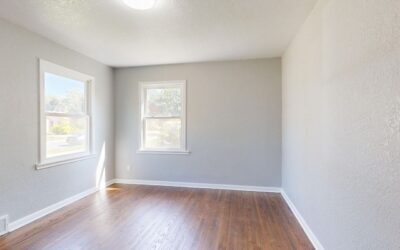
A 12-year-old red oak floor in a busy Charleston entry hall looks dry, slightly hazed, and shows micro-scratching across the high-traffic lanes — but the finish is structurally intact and does not need a $4 per sq ft refinish. The right product to revive it is a hardwood floor conditioner, sometimes labeled polish, refresher, or restorer, that fills micro-scratches with a clear resin and reseals the wear surface. Used correctly it buys 2 to 4 years before a real screen-and-recoat is needed; used incorrectly it builds a hazy plastic film that has to be stripped before any future refinish.
- What Conditioners Actually Do
- Top Conditioner Brands
- How to Tell If Your Floor Is a Candidate
- Application Step-by-Step
- How Often to Reapply
- The Polish Build-Up Problem
- Conditioner Versus Screen-and-Recoat Versus Refinish
- Compatibility With Different Finish Types
- Cost Math for DIY Versus Hiring
- Pet, Kid, and Salt Strategies
What Conditioners Actually Do
Modern hardwood floor conditioners are waterborne acrylic-urethane emulsions that bond to the existing finish, fill scratches up to 0.5 mm deep, and dry to a uniform satin or gloss. They are not penetrating finishes; they sit on top of the existing aluminum oxide, oil-modified urethane, or waterborne polyurethane finish that was applied when the floor was sanded. Conditioner is a maintenance product, not a refinish substitute. The wear layer it deposits is 1 to 2 mils thick and lasts 6 months to 3 years depending on traffic.
Top Conditioner Brands
- Bona Hardwood Floor Polish — high-gloss or low-gloss, $25 to $35 per 32 oz bottle (covers 500 sq ft)
- Bona Pro Series Polish — commercial-grade, $35 to $50 per gallon
- Howard Feed-N-Wax — beeswax/orange oil hand-applied, $12 to $18 per 16 oz
- Bruce Hardwood and Laminate Floor Cleaner — light-duty refresher, $8 to $12 per 32 oz
- Minwax Hardwood Floor Reviver — gloss or satin, $25 to $32 per 32 oz
- Rejuvenate Professional Wood Floor Restorer — heavy-build polish, $20 to $30 per 32 oz
How to Tell If Your Floor Is a Candidate
Conditioner only works on floors with intact finish and no bare wood. Test by dripping a teaspoon of water on a high-traffic area. If the water beads for 60 seconds, the finish is sound and conditioner will bond. If the water absorbs and darkens the wood within 30 seconds, the floor needs a screen-and-recoat or full refinish, not a conditioner. Also avoid conditioners on wax-finished or oil-finished floors (Rubio Monocoat, hardwax oil); those require species-specific refreshers.
Application Step-by-Step
Vacuum and dust-mop the floor twice, then damp-clean with a pH-neutral cleaner like Bona Pro Series Hardwood Floor Cleaner. Let the floor dry 30 minutes. Test conditioner in a 2 ft by 2 ft closet first to confirm compatibility; some 1980s-era prefinished floors with heavy aluminum oxide topcoats will resist bonding. Pour a 4-inch ribbon of conditioner across the floor and spread with a microfiber applicator pad in long overlapping strokes following the grain. Do not flood the surface. One coat dries in 30 to 60 minutes; allow 24 hours before walking with shoes and 48 hours before replacing rugs.
How Often to Reapply
Light residential traffic (single person, no pets) holds 18 to 36 months between applications. Family households with dogs and kids need annual reapplication. Commercial spaces like cafes and offices reapply every 4 to 6 months. Watch for the early signs of wear: traffic lanes losing sheen, micro-scratches reappearing, water beading test failing. Do not stack more than 3 to 4 coats over the original finish without an intermediate strip; build-up causes the hazy yellowed look people associate with poorly maintained floors.
The Polish Build-Up Problem
This is the single most common DIY mistake. Apply conditioner three times a year for five years and the floor develops a thick acrylic skin that yellows, peels at the edges, and refuses to accept a new coat. Strip it with Bona Hardwood Floor Polish Remover before the buildup gets bad. The remover is a citrus-based solvent that lifts the acrylic without touching the underlying finish, applied with a microfiber pad and rinsed twice. Plan to strip and re-condition every 3 to 5 years to avoid layered haze.
Conditioner Versus Screen-and-Recoat Versus Refinish
Three escalating treatments handle three different wear states. Conditioner ($0.05 to $0.10 per sq ft DIY) covers surface dulling. Screen-and-recoat ($1.50 to $2.50 per sq ft) abrades the existing finish with 120 to 180 grit screens and lays a fresh coat of Bona Traffic HD or Loba 2K Supra waterborne polyurethane, fixing minor scratches but not gouges or stains. Full refinish ($3.50 to $6 per sq ft) drum-sands to bare wood with 40-60-80-100 grit progression and applies stain plus 3 coats of finish, fixing everything but board-level damage.
Compatibility With Different Finish Types
Not every conditioner works on every finish. Aluminum oxide topcoats on pre-finished factory floors from Bruce, Mohawk, and Shaw are extremely hard and slow to accept aftermarket conditioners; test in a closet before committing to a whole-floor application. Waterborne polyurethane floors from Bona Traffic HD and Loba 2K Supra accept Bona Polish without issue. Oil-modified urethane finishes from Minwax and DuraSeal accept Howard Feed-N-Wax beeswax-based products but resist Bona acrylic polish until the urethane fully cures (30 days minimum post-finish). Hardwax oil floors finished with Rubio Monocoat or Osmo Polyx require species-specific Rubio Universal Maintenance Oil rather than acrylic polish.
Cost Math for DIY Versus Hiring
A 32 oz bottle of Bona Polish at $28 covers 500 sq ft, so the material cost for an 800 sq ft main floor lands under $50. Hiring a professional polish service runs $0.40 to $0.80 per sq ft, $320 to $640 for the same floor. The pro adds value with proper cleaning prep, even application, and equipment that buffs the polish into the wood. Most homeowners DIY because the labor is genuinely easy: clean, dry, apply with a microfiber pad, walk away for 24 hours. Reserve professional service for floors over 1,500 sq ft, badly hazed floors that need stripping first, or homeowners with mobility limitations.
Pet, Kid, and Salt Strategies
Place 3 ft by 5 ft commercial walk-off mats at every exterior entry. Trim pet nails monthly; untrimmed dogs scratch through any conditioner coating in weeks. Replace plastic furniture glides with felt pads every 6 months. Wipe up water spills within 60 seconds, especially around dishwashers and refrigerators. Avoid steam mops permanently; the heat lifts even waterborne urethane and ruins conditioner coatings. A well-maintained hardwood floor conditioner program extends the life of a finish by 30 to 50 percent and pushes the next refinish out from year 10 to year 14 or 15.
Prefer to explore on your own?
See how new flooring looks in your actual room in seconds — free, no signup.
Try the free Floor Studio →