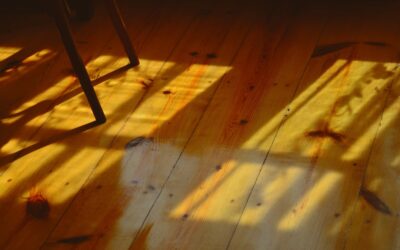
If you have kids, dogs, and a busy household but still want the warmth of real wood underfoot, one species rises to the top of the list. Hickory engineered hardwood combines the hardest commonly available domestic wood species with a layered, dimensionally stable construction, giving you a floor that resists dents and handles humidity swings far better than solid planks. It is the floor for people who want hardwood that can actually take a beating. Here is everything that makes it a smart choice, plus the tradeoffs worth weighing.
Why Hickory and Why Engineered
Hickory is prized for two things: extreme hardness and bold, dramatic grain. On the Janka hardness scale, which measures resistance to denting, hickory rates around 1,820, significantly harder than red oak at roughly 1,290 and maple at about 1,450. That toughness translates directly into a floor that better resists the dents, dings, and scratches that everyday life throws at it.
The engineered part addresses wood’s biggest weakness: movement. Solid hardwood expands and contracts with humidity, which can cause gaps and cupping. Engineered planks are built from a real hickory veneer bonded over a cross-layered plywood or HDF core. This construction resists the seasonal movement that plagues solid wood, making it stable enough for places solid planks struggle.
The Stability Advantage
This is where engineered construction earns its keep. Because the core layers are oriented in alternating directions, the plank stays dimensionally stable across temperature and moisture changes. That opens up installations that solid hardwood cannot reliably handle.
- Over concrete slabs: Including basements and slab-on-grade homes where solid wood is risky
- Over radiant heat: Many engineered floors are rated for in-floor heating systems
- In humid climates: Less prone to gapping and cupping through seasonal swings
- On any level of the home: Including below grade where solid wood is not recommended
The Look: Bold Grain and Color Variation
Hickory has one of the most distinctive appearances in domestic hardwood. Its grain is busy and pronounced, with dramatic swings between the pale, creamy sapwood and the rich, reddish-brown heartwood. This natural contrast gives hickory floors a rustic, characterful look full of movement.
That said, the variation is polarizing. Some homeowners love the lively, rugged character; others find it too busy for a clean, modern aesthetic. Grades and finishes can dial the look up or down. Higher grades select for more uniform color, while character grades embrace the contrast, knots, and mineral streaks. Stains from light natural tones to deep espresso further shape the final appearance.
Understanding the Wear Layer
The most important spec to check when shopping is the wear layer, the thickness of the real hardwood veneer on top. This determines how durable the floor is and whether it can ever be refinished.
- Thin wear layers (under 2 mm): Budget-friendly but cannot be sanded and refinished; you replace rather than restore
- Medium wear layers (2 to 3 mm): Can typically handle one light refinishing
- Thick wear layers (4 to 6 mm): Premium floors that can be refinished once or twice, approaching the longevity of solid wood
For a floor you want to keep for decades, a thicker wear layer is worth the extra cost. For a rental or a shorter-term home, a thinner layer paired with a tough factory finish is more economical.
Installation Options
One of engineered hardwood’s biggest practical advantages is installation flexibility. Depending on the product and subfloor, you have several methods available.
- Floating (click-lock): Planks snap together and float over an underlayment, the easiest DIY method, often used over concrete
- Glue-down: Adhered directly to the subfloor, common over concrete slabs and recommended for radiant heat
- Nail or staple-down: Fastened to a wood subfloor, similar to solid hardwood installation
Always acclimate the planks in the room for the time the manufacturer specifies, and follow their subfloor moisture and flatness requirements. Skipping acclimation or ignoring a high-moisture slab is the fastest way to end up with problems.
Durability in Real-World Use
This is where hickory truly stands out. The combination of the hardest domestic species and a durable factory-applied finish, often an aluminum oxide coating, produces a floor that handles dropped toys, pet claws, and heavy furniture better than softer woods. It is not indestructible; nothing is. But for high-traffic households, hickory buys you a meaningful margin of toughness over oak, walnut, or pine.
Care and Maintenance
Keeping it looking good is straightforward with the right habits.
- Sweep or vacuum regularly with a hard-floor setting to remove abrasive grit
- Clean with a damp (never wet) mop and a cleaner formulated for hardwood
- Wipe up spills promptly, since standing water can damage any wood floor over time
- Use felt pads under furniture legs and rugs in high-traffic zones
- Avoid steam mops and harsh chemicals that can damage the finish
Cost and Value
Hickory engineered hardwood generally sits in the mid-to-upper range of flooring prices, above laminate and basic vinyl but typically below solid hardwood and exotic species. Within the category, the wear-layer thickness drives much of the cost. Thin-veneer floors are competitively priced and aimed at budget projects, while thick-veneer, refinishable floors command a premium that reflects their decades-long lifespan. When you factor in durability and the ability to refinish, a quality engineered floor often delivers strong long-term value, since you may never need to replace it.
Remember to budget for the full installed cost, not just the planks. Underlayment, adhesive or fasteners, transition pieces, trim, and labor all add up. A glue-down install over concrete, for example, costs more in materials and labor than a floating click-lock floor a homeowner installs themselves.
Hickory vs. Oak and Other Species
Many shoppers cross-shop hickory against oak, the default hardwood for most American homes. Oak is softer, more affordable, and has a more uniform, subtle grain that suits a wider range of styles. Hickory wins decisively on hardness and brings far more dramatic grain and color variation. Maple offers a smooth, contemporary look but dents more easily than hickory. If denting resistance and bold character top your list, hickory is the standout. If you want a calmer look or a lower price, oak remains a sensible default. The right choice depends on how much abuse your floor will take and whether you love or dislike busy grain.
Is It Right for Your Home?
Hickory engineered hardwood is one of the best choices for households that want genuine wood warmth without babying it. The hardness resists dents, the engineered core handles concrete, radiant heat, and humidity, and the bold grain hides minor wear. The main considerations are the busy look, which is not for everyone, and the wear-layer thickness, which dictates refinishing potential. If you want a tough, real-wood floor that stands up to family life across nearly any room, hickory belongs at the top of your shortlist.
Prefer to explore on your own?
See how new flooring looks in your actual room in seconds — free, no signup.
Try the free Floor Studio →