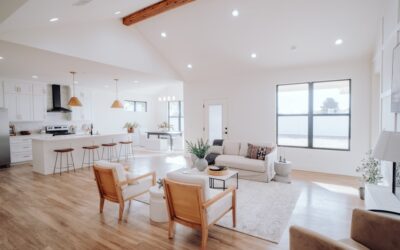
Hickory wood is one of the hardest, strongest, and most visually striking domestic hardwoods available in North America. Prized for its dramatic grain patterns, exceptional durability, and natural resistance to wear, hickory has become a top choice for homeowners who want a floor that combines rustic charm with outstanding performance.
This guide covers everything about hickory wood in 2026 — from its physical properties and Janka hardness rating to its use in flooring, furniture, and outdoor applications.
What Is Hickory Wood?
Hickory belongs to the Carya genus, which includes about 18 species native to North America and Asia. The most commonly harvested species for lumber and flooring are shagbark hickory (Carya ovata), pignut hickory (Carya glabra), and shellbark hickory (Carya laciniosa).
Hickory trees grow abundantly throughout the eastern United States, particularly in the Appalachian region. Mature trees reach 60-100 feet tall and produce both valuable lumber and edible nuts (pecans are actually a type of hickory).
The wood is characterized by dramatic color variation — ranging from creamy white sapwood to rich brown heartwood — often within the same plank. This natural contrast gives hickory flooring its signature rustic appeal that no other domestic hardwood can replicate.
Hickory Wood Properties
| Property | Hickory Value | How It Compares |
|---|---|---|
| Janka hardness | 1,820 lbf | 41% harder than red oak |
| Density | 50-55 lbs per cubic ft | Among the heaviest domestics |
| Bending strength (MOR) | 20,200 psi | Exceptionally strong |
| Stiffness (MOE) | 2,160,000 psi | Very high |
| Crushing strength | 9,210 psi | Superior to most hardwoods |
| Heartwood color | Medium to dark brown | Wide variation |
| Sapwood color | White to cream | Distinct contrast with heartwood |
| Grain pattern | Straight to wavy | Dramatic, rustic appearance |
| Workability | Difficult (very hard) | Requires sharp tools |
| Sustainability | Abundant domestic supply | Eco-friendly choice |
With a Janka hardness of 1,820, hickory is the hardest commonly available domestic hardwood — significantly harder than oak (1,290), maple (1,450), and even cherry (950). Only exotic species like Brazilian walnut (3,684) and Santos mahogany (2,200) exceed hickory in hardness.
Hickory vs Other Hardwoods
How does hickory wood stack up against other popular hardwood flooring options?
| Wood Species | Janka Hardness | Cost per Sq Ft | Color Variation | Best For |
|---|---|---|---|---|
| Hickory | 1,820 | $5 – $10 | Very high | Rustic, high-traffic areas |
| Red Oak | 1,290 | $4 – $8 | Moderate | Traditional, versatile |
| White Oak | 1,360 | $5 – $10 | Low-Moderate | Modern, water-resistant |
| Hard Maple | 1,450 | $5 – $9 | Low | Contemporary, uniform look |
| Black Walnut | 1,010 | $7 – $14 | Low-Moderate | Luxury, dark tones |
| Cherry | 950 | $6 – $11 | Low | Formal, warm tones |
| Ash | 1,320 | $4 – $8 | Moderate | Sports floors, light rooms |
| Brazilian Walnut (Ipe) | 3,684 | $9 – $16 | Low | Ultra-durability, exotic look |
Hickory offers the best hardness-to-cost ratio among domestic hardwoods, making it an excellent value for homeowners who need maximum durability without exotic wood pricing.
Hickory Wood Flooring
Hickory is available in several flooring formats, each offering different benefits:
Solid Hickory Flooring
Solid hickory planks are milled from a single piece of wood, typically 3/4 inch thick. They can be sanded and refinished multiple times over a lifespan of 50-100+ years. Solid hickory is ideal for main-level living areas but is not recommended for basements or areas with high moisture.
Engineered Hickory Flooring
Engineered hickory features a real hickory veneer (2-6mm) bonded to a plywood or HDF core. This construction provides better dimensional stability, making it suitable for basements, over radiant heat, and in climates with significant humidity swings. Thicker veneers can be sanded 1-3 times.
Hand-Scraped Hickory
Hand-scraped hickory flooring is textured by hand or machine to create a distressed, antique appearance. This technique highlights the natural grain variation and hides minor scratches and dents during daily use — perfect for busy households with pets and children.
Hickory Flooring Grades
| Grade | Appearance | Color Variation | Knots & Character | Price Level |
|---|---|---|---|---|
| Select / Premium | Clean, uniform | Minimal | Few to none | Highest |
| Natural / #1 Common | Moderate character | Moderate | Small, sound knots | Mid-Range |
| Rustic / #2 Common | Heavy character | Maximum | Large knots, mineral streaks | Lowest |
| Character / Cabin | Very rustic | Extreme | Knots, cracks, worm holes | Value |
Hickory Wood Cost
| Hickory Product | Material per Sq Ft | Installed per Sq Ft |
|---|---|---|
| Solid hickory (unfinished) | $4.00 – $7.00 | $8.00 – $14.00 |
| Solid hickory (prefinished) | $5.00 – $9.00 | $9.00 – $15.00 |
| Engineered hickory | $4.00 – $8.00 | $7.00 – $13.00 |
| Hand-scraped hickory | $6.00 – $11.00 | $10.00 – $17.00 |
| Hickory lumber (board feet) | $5.00 – $9.00 per BF | N/A |
Compared to SPC flooring, hickory costs significantly more but offers the authentic warmth and character of real wood that vinyl products cannot fully replicate.
Pros & Cons of Hickory Wood
| Pros | Cons |
|---|---|
| Hardest domestic hardwood (1,820 Janka) | Difficult to work with (dulls tools) |
| Stunning natural grain variation | Color variation may not suit all styles |
| Extremely durable for high-traffic areas | Harder to stain evenly due to density |
| Domestically sourced and sustainable | Expands/contracts more than some species |
| Can be sanded and refinished multiple times | Higher installation cost due to hardness |
| Excellent resistance to dents and scratches | Limited availability in very wide planks |
| Unique rustic character | Not ideal for ultra-modern aesthetics |
Other Uses for Hickory Wood
Beyond flooring, hickory wood is valued for numerous applications:
- Tool handles: Axes, hammers, and picks rely on hickory for its shock resistance
- Furniture: Rustic chairs, tables, and cabinetry showcase the dramatic grain
- Smoking meat: Hickory chips and chunks are the most popular wood for BBQ smoking
- Drum sticks: Professional drumsticks are often made from hickory for durability and flex
- Sports equipment: Baseball bats, lacrosse sticks, and bows use hickory
- Cabinetry: Kitchen cabinets in hickory offer a warm, rustic aesthetic
- Pergola posts: Custom pergola builds sometimes use hickory for its strength
- Firewood: Produces more BTUs per cord than almost any other firewood species
Care & Maintenance
Despite its exceptional hardness, hickory flooring needs proper care to maintain its beauty:
Daily & Weekly Care
- Sweep or vacuum regularly with a hardwood-safe attachment (no beater bar)
- Clean with a damp (not wet) microfiber mop and pH-neutral hardwood cleaner
- Wipe up spills immediately to prevent water damage
- Place doormats at entrances to trap grit and debris
Protective Measures
- Use felt pads under all furniture legs
- Avoid dragging heavy furniture or appliances across the floor
- Keep pet nails trimmed to minimize scratching
- Use area rugs in high-traffic zones
- Maintain indoor humidity between 35-55% to minimize expansion and contraction
- Avoid steam cleaners on hardwood — excessive moisture damages wood fibers
Refinishing
Solid hickory can be sanded and refinished 3-5 times over its lifespan. Plan to refinish every 7-12 years in high-traffic areas or every 15-20 years in low-traffic rooms. Due to hickory’s hardness, professional refinishing is recommended as it requires commercial-grade sanding equipment.
Hickory Flooring Design Styles
Hickory flooring works beautifully in several interior design styles:
- Rustic farmhouse: Character-grade hickory with natural finish in wide planks
- Mountain lodge: Hand-scraped hickory with dark stain and heavy grain
- Transitional: Natural-grade hickory with medium stain bridges traditional and modern
- Country cottage: Light-stained hickory with subtle distressing
- Industrial: Wire-brushed hickory with matte finish complements metal and concrete accents
Pair hickory flooring with complementary elements like stone tile entryways, laminate in secondary rooms, or vinyl in bathrooms for a cohesive whole-home design.
Frequently Asked Questions
Is hickory wood good for flooring?
Hickory is one of the best domestic hardwoods for flooring. Its Janka hardness rating of 1,820 makes it 41% harder than red oak, which means it resists dents, scratches, and wear exceptionally well. It is ideal for busy households, homes with pets, and high-traffic commercial spaces.
Is hickory harder than oak?
Yes, hickory is significantly harder than both red oak (1,290 Janka) and white oak (1,360 Janka). Hickory’s 1,820 Janka rating makes it approximately 41% harder than red oak and 34% harder than white oak.
Does hickory flooring scratch easily?
Hickory is highly scratch-resistant compared to softer hardwoods like cherry or walnut. However, no wood floor is scratch-proof. Sand, grit, and pet nails can still cause surface scratches, though the dramatic grain pattern of hickory does an excellent job of concealing minor imperfections.
Can you stain hickory wood?
Yes, but staining hickory requires extra care. Its dense grain absorbs stain unevenly, which can create a blotchy appearance. Using a pre-stain conditioner, gel stains, or working with a professional finisher produces the best results. Many homeowners prefer a natural or clear-coat finish that showcases hickory’s beautiful natural color variation.
Is hickory flooring more expensive than oak?
Hickory and white oak are similarly priced at $5-$10 per square foot for prefinished planks. Hickory is generally $1-$2 more per square foot than red oak. Given hickory’s superior hardness and durability, the slight price premium is well justified for most homeowners.
Where does hickory wood come from?
Hickory is native to eastern North America, primarily growing from the Great Lakes region to the Gulf of Mexico. The Appalachian region produces the highest-quality hickory lumber. Because it is domestically sourced and sustainably harvested, hickory is an environmentally responsible flooring choice.
How long does hickory flooring last?
Solid hickory flooring can last 75-100+ years with proper care and periodic refinishing. Engineered hickory typically lasts 25-50 years depending on the veneer thickness and core quality. Both formats offer exceptional longevity compared to laminate or vinyl alternatives.
Last updated: March 2026
Prefer to explore on your own?
See how new flooring looks in your actual room in seconds — free, no signup.
Try the free Floor Studio →