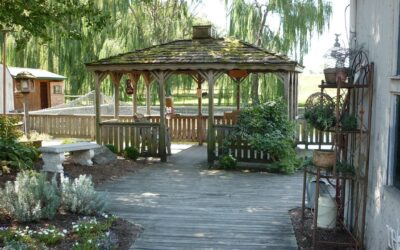
Choosing between a pergola vs gazebo is one of the most common dilemmas homeowners face when designing their outdoor living spaces. Both structures add beauty, shade, and value to your property, but they serve different purposes and come with distinct price tags, maintenance requirements, and design possibilities.
Part of our Decks & Outdoor guide — explore the full guide →
This 2026 guide breaks down every important difference between pergolas and gazebos so you can make a confident decision that complements your backyard, budget, and lifestyle.
Pergola vs Gazebo at a Glance
| Feature | Pergola | Gazebo |
|---|---|---|
| Roof type | Open lattice / partial cover | Fully enclosed roof |
| Shape | Rectangular or square | Octagonal, round, or square |
| Rain protection | Minimal (unless covered) | Full protection |
| Average cost | $2,500 – $12,000 | $5,000 – $20,000 |
| DIY difficulty | Moderate | Difficult |
| Best for | Patios, gardens, walkways | Entertaining, relaxation |
| Permits required | Sometimes | Usually |
| Average lifespan | 10-20 years | 15-25+ years |
What Is a Pergola?
A pergola is an open-air outdoor structure consisting of vertical posts or pillars supporting a series of cross-beams and an open lattice roof. Unlike a gazebo, a pergola does not have a solid roof, which gives it a lighter, more airy aesthetic.
Pergolas originated in ancient Egypt and became popular in Italian Renaissance gardens. Today, they are one of the most versatile backyard structures, commonly used to define outdoor dining areas, shade walkways, or create a framework for climbing plants like wisteria, grapevines, and jasmine.
Common Pergola Styles
- Freestanding pergola: Stands independently in the yard, perfect over a patio or garden area
- Attached pergola: Connects to the house, extending living space from the back door
- Arched pergola: Features curved beams for a more elegant look
- Modern pergola: Clean lines with adjustable louvered roofs for variable shade
- Sail pergola: Uses fabric canopies instead of traditional lattice for shade
What Is a Gazebo?
A gazebo is a freestanding, fully roofed outdoor structure typically featuring an octagonal or round design with open sides. Some gazebos include built-in seating, railings, and even screens to keep out insects.
Gazebos have been a staple of park and garden design since the 18th century. They provide complete shelter from sun and rain, making them ideal for year-round outdoor enjoyment. Many homeowners use gazebos as focal points for backyard landscaping designs.
Common Gazebo Styles
- Traditional gazebo: Octagonal shape with a peaked roof and railings
- Pop-up gazebo: Portable, temporary structure for events
- Hardtop gazebo: Features a permanent metal or polycarbonate roof
- Screened gazebo: Enclosed with mesh screens for bug-free enjoyment
- Pavilion-style gazebo: Rectangular with a gable roof, open sides
Key Differences Between Pergolas & Gazebos
Structure & Design
The most fundamental difference is the roof. Pergolas have an open or semi-open lattice roof that filters sunlight, while gazebos have a fully enclosed roof that provides complete shelter. This single difference affects everything from how you use the structure to what flooring works best underneath it.
Weather Protection
Gazebos offer superior protection from rain, intense sun, and even light snow. Pergolas provide filtered shade but leave you exposed to precipitation unless you add a retractable canopy, polycarbonate panels, or a louvered roof system.
Footprint & Placement
Pergolas are more flexible in terms of placement. They can be attached to your home, span a walkway, or stand alone in the garden. Gazebos are always freestanding and typically require a larger, level area with proper foundation preparation.
Customization
Both structures offer extensive customization, but pergolas tend to be simpler to modify after installation. Adding curtains, lights, fans, or climbing plants to a pergola is straightforward. Gazebos offer more built-in features but are harder to alter once constructed.
Cost Comparison (2026 Prices)
Budget is often the deciding factor in the pergola vs gazebo debate. Here is what to expect in 2026:
| Cost Category | Pergola | Gazebo |
|---|---|---|
| DIY kit (basic) | $1,500 – $4,000 | $3,000 – $7,000 |
| Professional install (mid-range) | $4,000 – $8,000 | $7,000 – $15,000 |
| Custom build (premium) | $8,000 – $15,000 | $15,000 – $30,000+ |
| Foundation / pad | $500 – $2,000 | $1,000 – $4,000 |
| Annual maintenance | $100 – $300 | $200 – $500 |
| Electrical (lights, fans) | $300 – $1,500 | $500 – $2,000 |
Pergolas cost 30-50% less than comparable gazebos on average. However, if you add a retractable roof system to a pergola for rain protection, the price gap narrows considerably.
Materials & Durability
| Material | Pergola Suitability | Gazebo Suitability | Lifespan | Maintenance |
|---|---|---|---|---|
| Pressure-treated pine | Excellent | Good | 10-15 years | Moderate |
| Cedar | Excellent | Excellent | 15-20 years | Low-Moderate |
| Redwood | Excellent | Excellent | 20-25 years | Low |
| Aluminum | Good | Excellent | 20-30 years | Very Low |
| Vinyl / PVC | Good | Good | 15-25 years | Very Low |
| Steel | Good | Excellent | 20-30 years | Low (with coating) |
| Fiberglass | Good | Good | 25+ years | Very Low |
For maximum durability, cedar and aluminum are the top choices for both structures. Hickory wood is sometimes used for custom pergola builds due to its exceptional hardness and grain character.
Best Uses for Each Structure
Choose a Pergola If You Want To:
- Create an outdoor dining or kitchen area attached to your home
- Define a garden walkway or entrance
- Grow climbing plants and create a natural canopy
- Add architectural interest without blocking views
- Stay within a tighter budget
- Complement a modern or minimalist home design
Choose a Gazebo If You Want To:
- Create a dedicated entertaining space with full weather protection
- Install a hot tub enclosure
- Build an outdoor room with screens for bug-free evenings
- Add a dramatic focal point to a large backyard
- Host outdoor events in any weather condition
- Create a meditation or reading retreat space
Flooring Options for Pergolas & Gazebos
The right flooring transforms your pergola or gazebo from a simple structure into a true outdoor room. Your choice depends largely on whether the structure has a full roof (gazebo) or open top (pergola).
Best Flooring for Pergolas
Since pergolas are open to rain, flooring must be highly water-resistant:
- Concrete pavers: Durable, affordable, and available in countless styles
- Natural stone: Premium look with excellent drainage capabilities
- Stamped concrete: Cost-effective alternative to natural stone
- Composite decking: Low-maintenance option that resists moisture
- Porcelain tile: Frost-resistant options available for outdoor use
Best Flooring for Gazebos
With roof protection, gazebos support a wider range of flooring materials:
- Hardwood decking: Beautiful natural look (cedar, ipe, or hickory)
- SPC vinyl flooring: Waterproof and comfortable underfoot
- Luxury vinyl plank: Realistic wood look without the maintenance
- Engineered hardwood: Works in climate-controlled gazebos
- Outdoor carpet: Soft and comfortable for screened gazebos
Pros & Cons
Pergola Pros & Cons
| Pros | Cons |
|---|---|
| Lower cost ($2,500-$12,000) | No rain protection (standard) |
| Can attach to home | Limited shade without additions |
| DIY-friendly | Less usable in bad weather |
| Flexible sizing | Requires climbing plants for full shade |
| Modern aesthetic options | May not add as much resale value |
Gazebo Pros & Cons
| Pros | Cons |
|---|---|
| Full weather protection | Higher cost ($5,000-$20,000+) |
| Year-round usability | Cannot attach to home |
| Screened options available | Requires larger footprint |
| Strong focal point in yard | More complex installation |
| Higher resale value impact | Usually requires building permit |
Impact on Home Resale Value
Both pergolas and gazebos can increase your home’s value, but the return on investment varies:
- Pergolas: Typically recoup 50-70% of their cost at resale. Attached pergolas that extend living space tend to offer the highest ROI.
- Gazebos: Can recoup 60-80% of their cost, especially custom-built structures with electrical and premium finishes.
The key to maximizing resale value is ensuring the structure complements the home’s style and is professionally installed with quality materials.
Frequently Asked Questions
Is a pergola or gazebo better for a small backyard?
A pergola is generally better for small backyards because it can be attached to the house (saving space), comes in more compact sizes, and has a lighter visual footprint. An attached 8×10-foot pergola works well in yards as small as 500 square feet.
Do I need a permit to build a pergola or gazebo?
Permit requirements vary by municipality. Gazebos almost always require permits due to their enclosed roofs and foundations. Pergolas may or may not need permits depending on size, height, and whether they are attached to the home. Always check with your local building department before starting construction.
Can I convert a pergola into a gazebo?
While you cannot easily convert a pergola into a true gazebo, you can add a solid roof, retractable canopy, or louvered panels to a pergola for rain protection. However, the structural posts must be rated to support the additional weight of a solid roof.
How long does it take to build a pergola vs a gazebo?
A DIY pergola kit typically takes 1-2 weekends to assemble. A professional pergola installation takes 1-3 days. Gazebos require 3-7 days for professional installation, or 2-4 weekends for experienced DIYers working from a kit.
Which is better for hot climates?
In extremely hot climates, a gazebo provides more reliable shade throughout the day. However, a pergola with a louvered roof system lets you adjust shade levels and airflow, which many homeowners in hot regions prefer for comfort and flexibility.
Can I add a fireplace or fire pit to either structure?
Fire features work with both structures but require careful planning. Pergolas need at least 8-10 feet of clearance above any flame. Gazebos require proper ventilation and fire-rated materials. Consider a nearby fire pit area as a safer alternative to placing one under either structure.
Last updated: March 2026