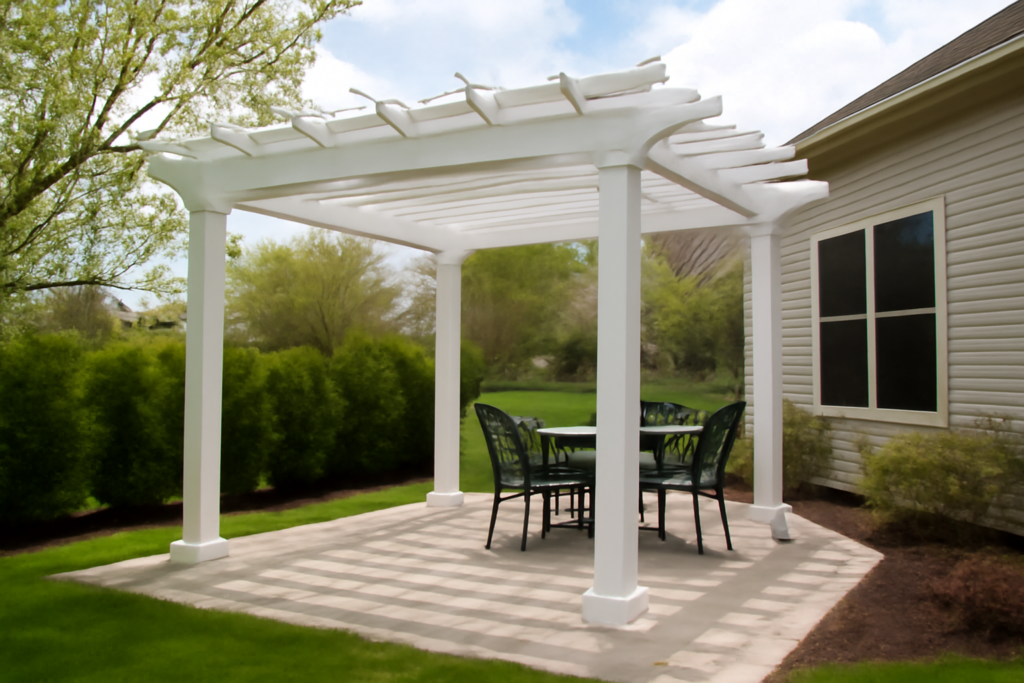
Wood pergolas look gorgeous in the showroom photo and far less gorgeous three summers later, gray and cracked, demanding another weekend of sanding and staining. A vinyl pergola sidesteps that whole cycle by delivering the clean architectural look of a pergola in a material that never needs painting, sealing, or fighting off rot and insects. Built from PVC over an aluminum or galvanized steel structural core, these structures hold their crisp white or neutral finish for decades with little more than an occasional rinse. For homeowners who want backyard shade and structure without the upkeep, vinyl is one of the most practical options on the market.
Part of our Decks & Outdoor guide — explore the full guide →
Why Choose Vinyl
The appeal of a vinyl pergola comes down to maintenance and longevity. The material shrugs off the problems that plague wood and offers a finished look right out of the box.
- No painting or staining: the color runs through the PVC, so there is nothing to refinish.
- Rot and pest proof: vinyl will not absorb water, rot, or feed termites the way cedar or pine does.
- Weather resistant: quality vinyl resists fading, cracking, and warping in sun, rain, and freeze-thaw cycles.
- Easy cleaning: a garden hose and occasional soapy scrub keep it looking new.
The trade-off is appearance and feel. Vinyl reads more uniform and less organic than real wood grain, and purists who want the warmth of timber may prefer cedar despite the upkeep.
Structure and Build Quality
Not all vinyl pergolas are equal, and the difference is what is inside the posts and beams. Quality units wrap PVC over an internal aluminum or galvanized steel frame, which gives the structure the strength to handle wind and snow loads. Cheaper kits rely on hollow vinyl alone, which can flex and sag over a wide span. Always ask what the structural core is before buying, especially for larger spans.
Beam spacing and rafter size matter for both looks and shade. Closely spaced top rafters cast more shade and feel more substantial, while widely spaced beams let in more light and read airier. Some vinyl pergolas accept a retractable canopy or louvered top for adjustable shade, which is worth considering if you want real sun control.
Kit Versus Custom
Most homeowners buy a vinyl pergola as a kit, shipped flat with pre-cut posts, beams, and hardware. Kits come in standard sizes, install in a day or two with basic tools and a helper, and cost far less than custom work. The downside is limited sizing and design options.
Custom or semi-custom vinyl pergolas, built or assembled by a contractor, fit odd spaces and larger footprints and allow upgrades like integrated lighting, fans, or adjustable louvered roofs. Expect to pay considerably more for custom, both in materials and labor, but you gain a structure tailored to your patio.
Sizing and Placement
Size the pergola to the space it shades. A common freestanding size covers a 10×10 or 12×12 patio seating area, while attached pergolas over a back door or along a wall extend living space without dominating the yard. Leave enough clearance overhead, typically at least 7 to 8 feet of post height, so the structure feels open rather than cramped.
Consider sun angles when siting a freestanding pergola. Orienting the rafters to block the harsh afternoon sun delivers more usable shade than a north-south alignment. Check local building codes too, since many areas require permits for permanent backyard structures above a certain size.
Anchoring and Installation
A pergola is essentially a sail in a strong wind, so anchoring is not optional. On a concrete patio, posts bolt to surface-mounted brackets driven into the slab. On soil, posts should set into concrete footings dug below the frost line in cold climates to prevent heaving. Skimping on the foundation is the most common reason a backyard pergola fails or shifts over time.
Most kits are DIY-friendly with two people, a level, a drill, and a few hours, but anchoring into concrete or pouring footings is where many homeowners bring in a pro. A level base and solid anchors are what keep the structure square and standing for the long haul.
Vinyl Versus Wood and Aluminum
Choosing a pergola material comes down to the balance of looks, upkeep, and cost. Wood, usually cedar or pressure-treated pine, offers the most natural warmth and the lowest upfront price, but it demands regular staining or sealing and eventually rots or warps. Vinyl costs more initially yet eliminates that maintenance entirely, holding its finish for decades. Aluminum sits at the premium end, offering the greatest strength and the slimmest profiles, often with louvered roof options, but at the highest price.
For homeowners who want a clean, white architectural look and refuse to spend weekends refinishing wood, vinyl is the sweet spot. Those who prize natural grain and do not mind upkeep lean toward wood, while buyers wanting maximum strength and modern styling choose aluminum.
Adding Shade and Features
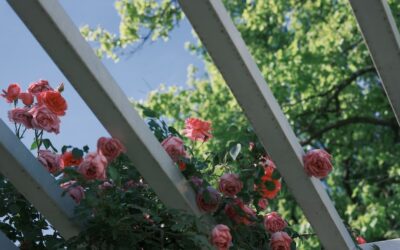
A bare pergola provides structure and partial shade from its rafters, but many homeowners want more. Retractable canopies stretch fabric across the top and slide closed when the sun is harsh, then open to enjoy the sky. Climbing plants like wisteria or grapevine trained over the beams create living shade, though they add weight and maintenance. For full sun control without plants, adjustable louvered roof sections, available on some vinyl and aluminum models, tilt to block or admit light on demand.
Lighting, outdoor fans, and privacy screens or curtains turn a basic pergola into an outdoor room you actually use after dark and in summer heat. Plan for any wiring before installation so cables route cleanly through the posts rather than getting added as an afterthought.
Cost and Value
A standard vinyl pergola kit runs roughly $1,500 to $4,000 depending on size and whether it has a steel core, while custom installations with upgrades like louvered roofs and lighting can climb to $6,000 or more installed. That is often more than a basic wood kit upfront, but vinyl wins over the years by eliminating staining, sealing, and board replacement. For a low-maintenance backyard upgrade that holds its look for decades, a quality vinyl pergola is a sound long-term investment.
Prefer to explore on your own?
See how new flooring looks in your actual room in seconds — free, no signup.
Try the free Floor Studio →