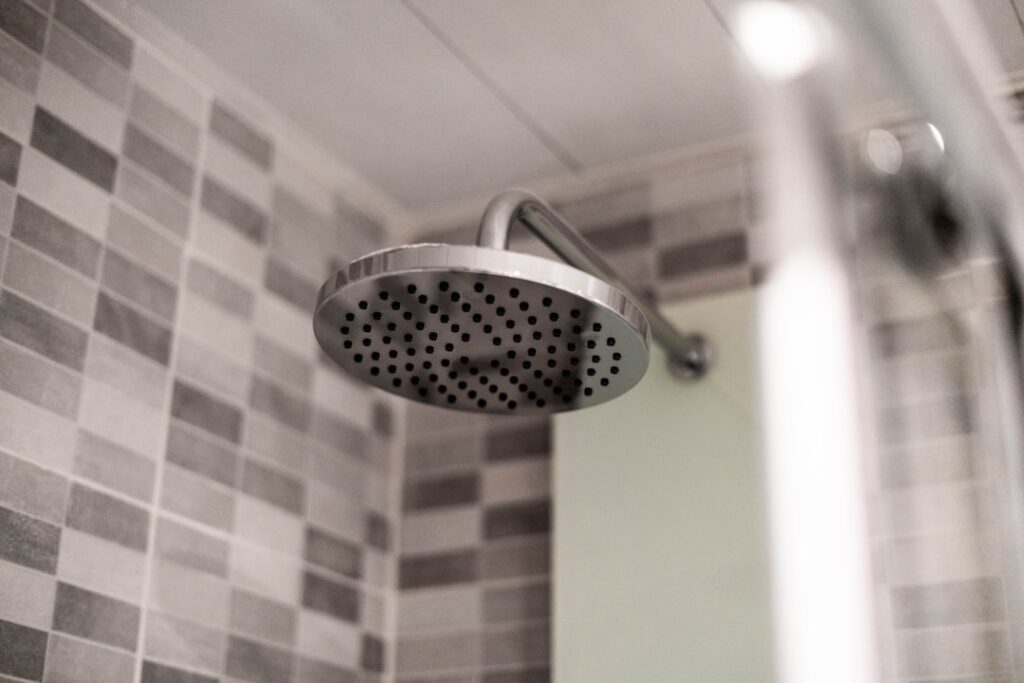
If your shower feels weak and stingy, the culprit is often flow rate, measured in gallons per minute, and upgrading it can transform your daily routine. A high gpm shower head delivers more water per minute for a fuller, more powerful rinse that soaks and clears shampoo faster than a restricted low-flow head. But GPM is governed by federal law, your home’s water pressure, and your plumbing, so getting the drenching shower you want takes more than buying the highest number on the box.
Understanding what GPM really controls, what the legal ceiling is, and what your plumbing can actually support will help you choose a shower head that feels luxurious without wasting water or violating code.
What GPM Actually Measures
Gallons per minute is the volume of water a shower head releases in sixty seconds at a standard test pressure of 80 psi. It is not the same as water pressure, though the two are often confused. Pressure is the force pushing water through the pipe; GPM is how much water passes through the head. A high-GPM head lets more of that water reach you, which reads as a stronger, more enveloping shower.
The distinction matters when you shop. A head rated at 2.5 GPM will always feel fuller than a 1.5 GPM head at the same house pressure, but if your home pressure is low, even a high-GPM head underperforms because there is not enough force to push the rated volume through. Diagnosing whether you have a flow problem or a pressure problem determines whether a new head will actually fix your weak shower.
The Federal Limit and State Rules
Federal law caps shower head flow at 2.5 GPM at 80 psi, a standard set by the Energy Policy Act and unchanged for residential heads sold nationwide. That 2.5 GPM figure is effectively the ceiling for a compliant single shower head, so any product advertised as high-GPM tops out there rather than at some dramatically larger number. Heads claiming much higher flow are typically either non-compliant or intended for commercial or export use.
Several states go further. California, Colorado, Washington, and New York, among others, limit shower heads to 1.8 GPM, so a head that is legal in Texas may not be sold or permitted in those states. Before buying, check your state’s rules, because a 2.5 GPM head is the practical maximum in most of the country and 1.8 GPM in the strictest states. Chasing an illegally high flow rate is neither necessary nor wise; the real gains come from a well-engineered head and adequate pressure.
Getting a Powerful Shower Within the Limits
The good news is that a well-designed 2.5 GPM head can feel far more powerful than a poorly designed one at the same rating, because nozzle design concentrates and directs the water. Manufacturers use narrower nozzles, pressure-boosting chambers, and optimized spray patterns to make a compliant flow feel like a drenching rain. So within the legal ceiling, engineering, not just the GPM number, drives the experience.
Rain shower heads spread the full 2.5 GPM across a wide face for a gentle, enveloping soak, while high-pressure heads focus the same flow through fewer, tighter nozzles for a punchy, invigorating spray. Some homeowners install a shower system with multiple heads or body sprays, but be aware that combining fixtures multiplies total flow and can exceed what your plumbing and water heater comfortably supply. Choose the spray style that matches the feel you want rather than fixating on the rating alone.
Your Home’s Water Pressure Is the Real Gatekeeper
A high-GPM head only shines when your home delivers enough pressure to feed it. Residential water pressure typically runs 45 to 80 psi; anything below about 40 psi will leave even the best head feeling weak. Test yours with an inexpensive gauge that threads onto an outside spigot, or notice whether flow drops when another fixture runs, a telltale sign of low pressure or undersized pipes.
If your pressure is low, the fix is not a bigger shower head but addressing the pressure itself, cleaning or replacing a clogged pressure-reducing valve, clearing mineral buildup from pipes, or in some cases installing a booster pump. Old half-inch supply lines choked with scale can strangle flow no matter what head you hang. Diagnosing and correcting low pressure often does more for your shower than any fixture swap, so check the pressure before you spend on a premium head.
Installation and Plumbing Considerations
Swapping a shower head is one of the easiest home upgrades, usually a five-minute job with an adjustable wrench and plumber’s tape. Unscrew the old head from the shower arm, clean the threads, wrap them with two or three turns of PTFE tape to seal, and hand-tighten the new head before a final gentle snug with the wrench. No plumber required for a basic replacement.
Larger upgrades demand more. Installing an overhead rain head, a hand shower, or a multi-spray system may require opening the wall to reroute plumbing and add a higher-flow valve, work that is far easier during a remodel than as a retrofit. Verify that your existing shower valve can handle the flow; older valves and thin supply lines can bottleneck a high-flow system. If you are combining several water outlets, confirm your water heater can keep up, since more simultaneous flow drains hot water faster.
Maintaining Flow Over Time
Even the best shower head loses performance if you neglect it, and hard water is the usual culprit. Mineral deposits, mostly calcium and magnesium, gradually clog the nozzles, choking flow and scattering the spray into weak, wandering streams. If your once-strong shower has weakened over months without any plumbing change, scale is almost certainly the reason. The fix is simple and cheap: unscrew the head, submerge it in a bowl of white vinegar for a few hours, then scrub the nozzles with an old toothbrush. Many modern heads have rubber nozzle tips you can rub with a thumb to pop the deposits loose without any disassembly at all.
In homes with genuinely hard water, this cleaning becomes a routine every few months, and installing a whole-house water softener or a shower-mounted filter slows the buildup dramatically while also being gentler on skin and hair. Keep the flow restrictor in place unless you have confirmed your home has both adequate pressure and no legal restriction against removing it, since pulling the restrictor to boost flow is often both against code and hard on your water heater and well pump. A little maintenance preserves the full rated flow you paid for, and it is far cheaper and easier than repeatedly replacing heads that people assume have simply worn out when they are really just scaled shut.
Shower Head Types and Their Flow Feel
The style of head shapes how a given flow rate feels as much as the number does. A standard wall-mount fixed head is the reliable default, directing the full flow at an adjustable angle and offering the strongest sense of pressure for the money. Rain heads mount overhead and spread the same 2.5 GPM across a wide face for a soft, drenching soak, but because the water falls with gravity rather than being driven forward, they can feel gentler and are best paired with good home pressure. Handheld heads on a slide bar add versatility for rinsing, cleaning the shower, and bathing children or pets, and many combine a handheld with a fixed head on a diverter. High-pressure heads concentrate the flow through fewer, tighter nozzles for an invigorating, forceful spray that makes a compliant flow rate feel more powerful. Match the type to how you actually shower, forceful wake-up spray versus relaxing rainfall, rather than assuming a higher number alone delivers the experience you want.
Choosing the Right Head for You
When shopping, weigh flow rating, spray style, pressure compatibility, and finish together. In a strict-limit state, look for a 1.8 GPM head engineered for a strong feel; elsewhere, a 2.5 GPM head gives you maximum compliant flow. Match the spray, wide and gentle for a rain head, focused and forceful for a high-pressure head, to how you like to shower.
Remember that a high gpm shower head is only one piece of the equation. The most satisfying shower comes from pairing a well-engineered head with adequate home water pressure and plumbing that can supply it. Sort out your pressure first, respect your state’s flow limits, and choose a quality head with a spray pattern you love, and you will get the strong, satisfying shower you are after without wasting water or running afoul of code.