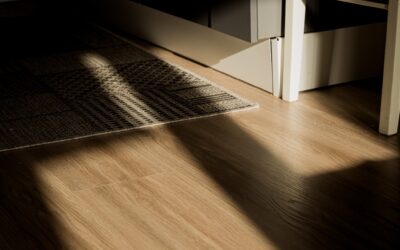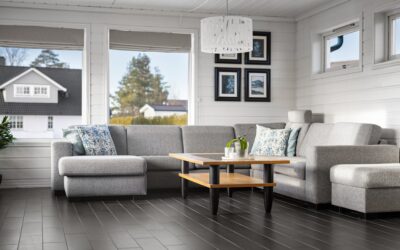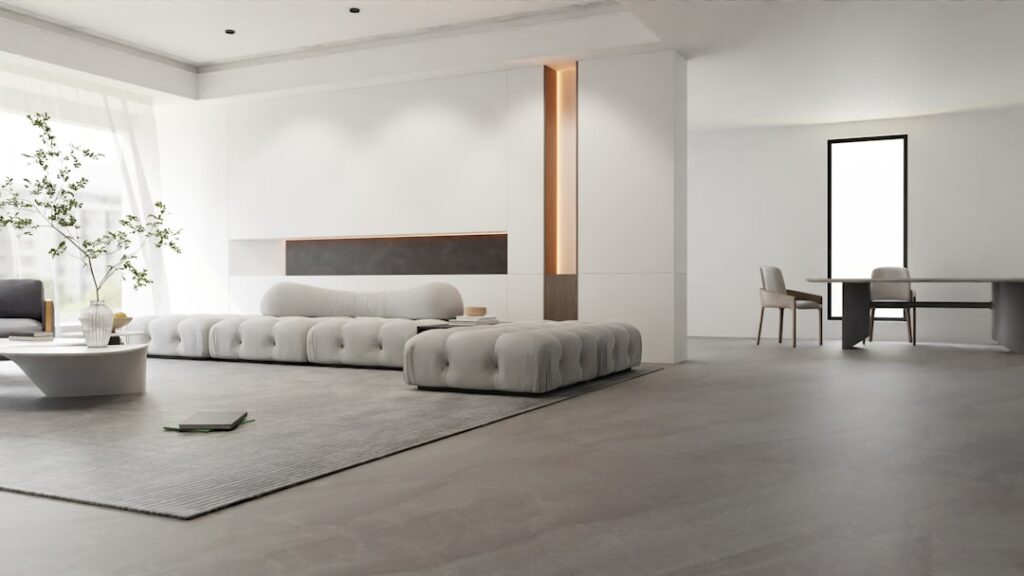
Luxury vinyl plank has become the default choice for waterproof, wood-look floors, but the gap between a cheap import and a genuinely durable product is enormous, which is why shoppers hunt for the highest rated LVP flooring they can find. The best products combine a thick wear layer, a dense rigid core, realistic texture, and a strong warranty, while bargain planks dent, scratch, and peel within a few years. This guide explains the specs that separate top-tier vinyl from the rest, the pros and cons to weigh, and how to identify the best plank for your home.
What Makes LVP Highly Rated
A top-rated luxury vinyl plank is defined by measurable specs, not marketing. The standouts share a few traits: a thick wear layer (the clear protective top coat), a rigid SPC or WPC core for stability, deep embossing that matches the printed grain (embossed-in-register), and a comprehensive warranty. Independent reviews, verified customer ratings, and certifications round out the picture. When a product checks these boxes, it tends to perform across high-traffic, pet-heavy, and moisture-prone rooms alike.
Brands change their lineups regularly, so rather than chasing a single model name, learn the specs that matter and apply them to whatever is currently available and well-reviewed at your retailer.
The Wear Layer Is Everything
The wear layer determines how well a plank resists scratches, scuffs, and traffic wear. It is measured in mils, and thicker is better.
- 6 mil: Budget grade for light-traffic bedrooms and closets.
- 12 mil: A reliable choice for most residential living spaces.
- 20 mil and up: Heavy residential and light commercial; the sweet spot for kitchens, hallways, and homes with kids or pets.
The highest-rated residential LVP usually carries a 20 mil or thicker wear layer, often with an enhanced surface coating for added scratch resistance. If a product hides its wear-layer spec, treat that as a red flag.
SPC vs. WPC Core
Rigid-core LVP comes in two main constructions, and the core affects feel, durability, and how forgiving the floor is over imperfect subfloors.
- SPC (stone plastic composite): Denser and harder, with superior dent resistance and the ability to bridge minor subfloor flaws. Feels firmer and slightly louder underfoot.
- WPC (wood plastic composite): Slightly softer and warmer, with a more cushioned feel, though somewhat less dent-resistant than SPC.
Both are 100 percent waterproof. For households with heavy furniture, pets, or active kids, SPC’s hardness usually earns the higher rating. An attached underlayment pad on either type adds comfort and quiet.
Pros of Top-Tier LVP
- Fully waterproof: Safe for kitchens, baths, basements, and laundry rooms.
- Durable: Thick wear layers and rigid cores resist scratches, dents, and traffic.
- Realistic looks: Embossed-in-register texture and high-resolution printing mimic real wood convincingly.
- Easy installation: Click-lock floating floors are DIY-friendly.
- Low maintenance: Sweep and damp-mop; no refinishing required.
Cons to Keep in Mind
Even the best LVP has limits. It can fade in intense, prolonged direct sunlight unless UV-stabilized, and very sharp objects or dragged appliances can still gouge the surface. Vinyl is a synthetic product, so it will not add the resale cachet of genuine hardwood, and it cannot be refinished, when it wears out, you replace it. Cheap LVP can also off-gas, so choose products with credible low-VOC certifications.
Subfloor prep still matters. While rigid SPC bridges minor imperfections, a badly uneven or dirty subfloor will compromise even a premium floor, so do not skip preparation.
Cost Expectations
Higher-rated LVP costs more, and the premium is usually worth it. As a planning range, quality residential LVP often runs $3 to $7 per square foot for material, with premium 20+ mil products landing at the upper end or above. Professional installation typically adds $2 to $5 per square foot. DIY click-lock installation can save the labor cost if you are comfortable with the work.
Prices and product lines shift, so confirm current pricing, wear-layer specs, and warranty terms directly with the retailer before buying.
How to Choose the Best LVP
Use a simple checklist when comparing products.
- Wear layer of 20 mil or more for busy homes.
- SPC core for maximum dent resistance, or WPC for a softer feel.
- Embossed-in-register texture for realism.
- Strong residential warranty and low-VOC certification.
- Solid verified reviews for the specific product.
Order samples, drag a key across the surface to test scratch resistance, and view them in your room’s lighting. Buy 7 to 10 percent extra for waste and repairs.
Reading Warranties and Certifications
The warranty tells you how confident a manufacturer is in its product, and the best LVP lines back themselves accordingly. Look for the length of the residential warranty and whether it specifically covers waterproofing, wear-through, and staining. Read the fine print, since warranties often require proof of proper installation and approved cleaning methods to remain valid. A pro-rated warranty pays less over time, while a non-pro-rated one holds steady, so understand which you are getting.
Certifications add another layer of confidence. Low-VOC and indoor air quality certifications indicate the product has been tested for emissions, which matters for homes with kids, pets, or sensitivities. Some products also carry slip-resistance or commercial-use ratings. When two planks look similar on paper, stronger certifications and a clearer warranty often break the tie.
Comparing Top-Rated LVP to Alternatives
It helps to know where premium LVP sits against other floors. Compared to laminate, LVP wins on waterproofing, since laminate’s fiberboard core swells when soaked, while a high-AC-rated laminate can rival LVP on scratch resistance at a lower price. Against engineered hardwood, LVP is far more water-tolerant and cheaper, but it lacks real wood’s refinishability and resale appeal. Versus tile, LVP is warmer and softer underfoot and easier to install, though tile remains more heat- and scratch-proof.
The takeaway is that the highest-rated LVP is not universally the best floor for every room, it is the best waterproof, durable, wood-look option for most living spaces. Use it where its strengths shine and consider tile or hardwood where their specific advantages matter more.
The Bottom Line
Finding the highest rated LVP flooring comes down to specs, not brand hype: a 20 mil or thicker wear layer, a dense SPC core, realistic embossed texture, low-VOC certification, and a strong warranty. Match the construction to your traffic, prep the subfloor properly, and verify pricing and warranty with the retailer. Nail those points and you will end up with a waterproof, durable, great-looking floor that earns its top rating in real-world use.
Prefer to explore on your own?
See how new flooring looks in your actual room in seconds — free, no signup.
Try the free Floor Studio →