Few kitchen styles carry the warmth and timelessness of early American homes. A historic colonial kitchen draws on the hearth-centered rooms of the 1700s and early 1800s, with their handcrafted cabinetry, natural materials, and unfussy practicality. The goal today is not to build a museum but to capture that authentic character while quietly weaving in the modern conveniences that make a kitchen livable. Here is how to design a colonial kitchen that honors its roots and still works for everyday life.
The Heart of the Colonial Kitchen: The Hearth
In an original colonial home, the kitchen revolved around a large open hearth used for cooking, heating, and gathering. That fireplace was the literal and social center of the home. You can echo this today by making a focal point of warmth and gathering, whether that is a preserved or rebuilt brick fireplace, a range set into a brick or stone surround that suggests an old hearth, or a substantial range hood styled like a chimney breast. Even a simple brick accent wall behind the cooktop nods to the hearth tradition and grounds the whole room.
Cabinetry That Looks Handmade
Colonial cabinetry was built by hand, so the look is honest and unadorned rather than sleek. Shaker-style doors, with their clean recessed panels, are the natural choice and read as period-appropriate. Beaded inset cabinets, where the doors sit flush within the frame, push the authenticity further. Furniture-style pieces, like a freestanding hutch or a worktable island that looks like a piece of furniture rather than built-ins, capture the era’s mix-and-match practicality.
For color, lean on the muted, historic palette: soft whites and creams, warm wood tones, and the deep colonial colors such as Williamsburg blue, sage green, mustard, and barn red. Painted cabinets in these shades feel instantly traditional.
Authentic Materials and Surfaces
Material choices do most of the work in selling the colonial feel. Favor natural, time-worn surfaces:
- Wide-plank wood flooring, ideally in a warm hardwood like oak or pine, mirrors original colonial floors.
- Brick and natural stone for the hearth area, backsplash, or accent walls.
- Soapstone or honed granite countertops, which suit the era far better than glossy modern stone. Butcher block adds warmth on an island.
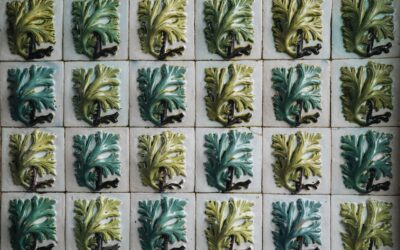
- Handmade or subway-style tile for backsplashes, with subtle variation rather than perfect uniformity.
Texture and a slightly imperfect, lived-in quality are what make these materials feel genuine rather than reproduction.
Hardware and Fixtures With Period Character
Details finish the look. Choose hardware and fixtures that suggest forged metal and early craftsmanship. Wrought iron and oil-rubbed bronze pulls, latches, and hinges feel hand-forged. Cup pulls and simple knobs suit colonial cabinetry. For the sink, a deep apron-front or a classic single-basin design works well, paired with a bridge faucet or a simple gooseneck in an aged brass or bronze finish. Lighting in the form of lantern-style pendants, a simple iron chandelier, or schoolhouse fixtures reinforces the era without feeling theatrical.
Blending in Modern Convenience
The art of a livable colonial kitchen is hiding the present inside the past. Nobody wants to cook on an actual open hearth, so integrate modern appliances thoughtfully:
- Panel-ready appliances let the refrigerator and dishwasher disappear behind cabinet fronts.
- A modern range with classic styling, or a range tucked into a hearth-like surround, marries function and look.
- Concealed outlets and under-cabinet lighting keep modern needs out of sight.
- A large island offers contemporary workspace while styled as a piece of furniture.
The aim is a kitchen that feels historic at a glance but performs like a current one in daily use.
Decor and Finishing Touches
Accessories bring the room to life. Open shelving or a glass-front hutch displaying simple pottery, pewter, and stoneware adds authenticity. Exposed wood beams, if your space allows, instantly suggest age and craftsmanship. Keep window treatments simple, such as cafe curtains or wood shutters. Hang dried herbs, copper pots, or a few antique kitchen tools to suggest a working colonial hearth. The colonial aesthetic rewards restraint, so avoid clutter and let a few honest pieces speak.
Lighting a Colonial Kitchen
Lighting deserves its own attention, because colonial homes were dim by modern standards and you want period character without sacrificing function. Layer your light rather than relying on a single ceiling fixture. Use lantern-style or iron pendants over an island, a simple chandelier or flush mount for general light, and discreet under-cabinet lighting to brighten work surfaces without spoiling the look. Choose warm-toned bulbs that mimic candlelight rather than cool, bluish ones, since warm light flatters wood, brick, and muted paint colors. Dimmers let you shift from bright task lighting while cooking to a soft, atmospheric glow in the evening, capturing the cozy feel of a hearth-lit room.
Common Mistakes to Avoid
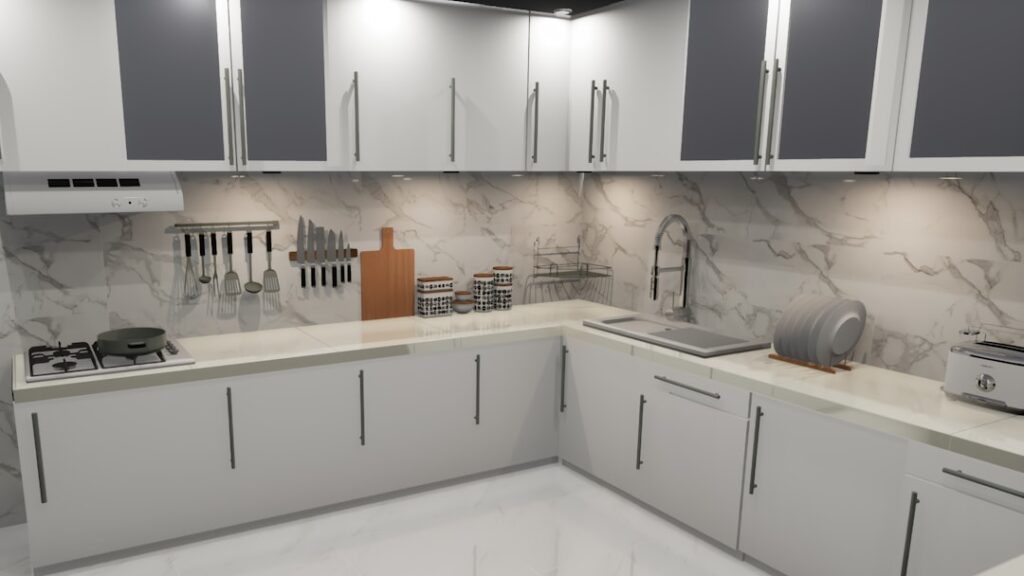
A few missteps can undermine the colonial feel. Overly glossy finishes, bright white modern cabinets, and sleek high-contrast hardware read as contemporary and clash with the handcrafted aesthetic. Cluttering every surface with reproduction trinkets looks staged rather than authentic, so edit your decor down to a few honest pieces. Choosing oversized stainless appliances left fully exposed can break the historic illusion, which is why paneling or classic-styled appliances work better. And forcing too many competing historic elements at once, such as heavy beams, dark cabinets, brick, and busy patterns all together, can feel oppressive. Restraint and a consistent palette keep the room warm and authentic rather than themed.
Making the Style Your Own
You do not need a centuries-old house to pull this off. The colonial look adapts well to renovations and new builds alike, since it is built on materials, color, and proportion rather than original architecture. Decide how literal you want to be, from a faithful period restoration to a lighter colonial-inspired design with cleaner modern lines. Either way, anchor the room with a hearth-inspired focal point, choose handcrafted-looking cabinetry, lean on natural materials, and add forged-style hardware. Tuck the modern conveniences out of sight, and your historic colonial kitchen will feel both authentic and entirely livable for the way you cook today.