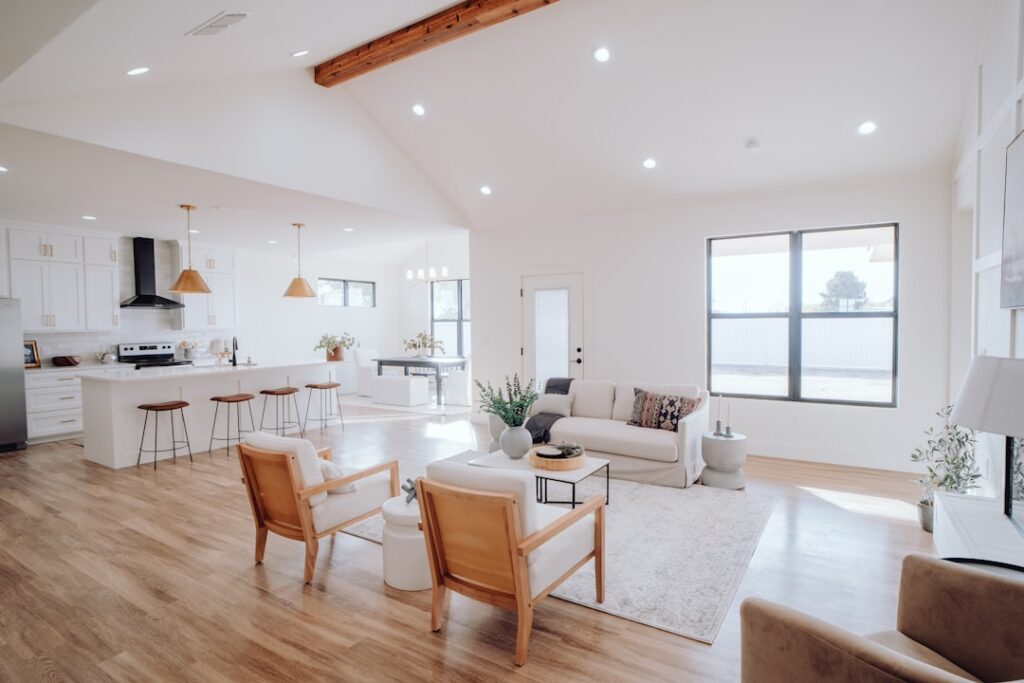
Walk into any specialty flooring store with a name like House of Flooring and you are confronted with hundreds of samples, wildly different price points, and a salesperson eager to bundle in installation. These independent and regional flooring retailers can offer real value and expertise that big-box stores often lack, but only if you know how to read a showroom, compare quotes, and separate genuine quality from markup. This guide shows you how to get the best floor for your money at any dedicated flooring retailer.
- What a Dedicated Flooring Retailer Offers
- The Product Categories You’ll See
- How to Read a Showroom Without Getting Oversold
- Getting and Comparing Quotes
- Installation: In-House vs. Subcontracted
- Watch for These Common Markups and Pitfalls
- Retailer vs. Big-Box: Which Should You Choose?
- Questions to Ask Before You Sign
- Making the Final Call
What a Dedicated Flooring Retailer Offers
Specialty flooring stores differ from home-improvement warehouses in a few meaningful ways. They typically stock a deeper range of premium products, employ staff who install floors for a living, and offer turnkey service that bundles material, labor, tear-out, and haul-away. Many also provide in-home measuring and design consultations. The tradeoff is that pricing is rarely posted, so you have to ask for itemized quotes to compare apples to apples. The staff knowledge is often the biggest differentiator. A good salesperson at a dedicated store has seen which products hold up in your local climate, which manufacturers honor their warranties without a fight, and which floors photograph well but disappoint underfoot. That experience can steer you away from an expensive mistake, but it can also be used to upsell, so treat their advice as informed input to verify, not gospel. The best stores welcome questions and back their recommendations with specs and references rather than pressure.
The Product Categories You’ll See
Most full-line flooring retailers carry the major surface types under one roof:
- Luxury vinyl plank and tile (LVP/LVT): The fastest-growing category, from budget glue-down to premium rigid SPC.
- Hardwood: Solid and engineered planks in oak, hickory, maple, and exotics.
- Laminate: 8mm to 12mm wood and stone looks rated by AC wear class.
- Tile: Porcelain, ceramic, and natural stone.
- Carpet: Nylon, polyester, and wool in broadloom and tile.
A good store will steer you by room and lifestyle rather than just upselling the priciest line.
How to Read a Showroom Without Getting Oversold
Samples in a bright showroom always look better than they will in your home. Take large samples home and view them in your actual lighting at different times of day. Ignore the marketing names and ask for the hard specs: plank thickness, wear-layer mil rating (for vinyl), AC rating (for laminate), Janka hardness (for wood), and the waterproof rating. Those numbers, not the display lighting, tell you how a floor will perform. Showroom lighting is engineered to flatter, with bright, even overhead fixtures that wash out the warm or cool undertones a floor will reveal under your home’s incandescent or LED bulbs. A plank that reads neutral gray on the display wall can turn distinctly brown or purple in a north-facing living room. Lay your samples directly on the floor next to your trim, cabinets, and existing furniture rather than holding them up vertically, since flooring is viewed from above and at an angle in real life. Living with the samples for several days, watching them shift from morning to evening light, prevents the most expensive regret in flooring: a color you can’t unsee once it’s installed across the whole house.
Getting and Comparing Quotes
Never accept a single lump-sum number. Ask any flooring retailer for an itemized quote that breaks out:
- Material cost per square foot and total square footage including waste.
- Labor for installation, separately listed.
- Tear-out and disposal of old flooring.
- Subfloor prep, leveling, and underlayment.
- Transitions, trim, and moldings.
Get three itemized quotes from different stores. A bid that is far lower than the others usually skips prep work or substitutes thinner material, so read the scope, not just the bottom line.
Installation: In-House vs. Subcontracted
Ask whether the store’s installers are employees or subcontracted crews. Neither is automatically better, but you want to know who stands behind the labor warranty. Confirm the warranty length in writing, one year on labor is standard, and verify the crew carries liability insurance. A reputable retailer will gladly share installer references from recent local jobs.
Watch for These Common Markups and Pitfalls
Specialty stores can add margin in predictable places. Underlayment, transition strips, and moldings are sometimes priced well above cost, so price-check them separately. “Free installation” promotions usually fold the labor cost back into the material price. Financing offers can carry steep deferred interest if you miss the payoff window. None of these are deal-breakers, but knowing where the margin hides lets you negotiate from a stronger position.
Retailer vs. Big-Box: Which Should You Choose?
Home-improvement warehouses and specialty flooring stores each have a place. Big-box stores win on convenience, posted pricing, and quick availability of common products, and they suit straightforward DIY projects well. Dedicated retailers pull ahead on premium selection, in-home measuring, design help, and accountable installation crews who do this work full-time. The deciding factors are usually project complexity and your comfort level. A simple one-room vinyl install over a flat subfloor leans big-box; a whole-house remodel with tile, transitions, and subfloor prep leans toward the specialty store and its turnkey service. Pricing the same product at both is the only way to know the real difference.
Questions to Ask Before You Sign
A short list of pointed questions separates a reliable retailer from a risky one:
- Is the installation crew made up of employees or subcontractors, and who holds the labor warranty?
- What does the quote include for subfloor prep, tear-out, and disposal?
- How is dye-lot consistency handled if I need extra material later?
- What is your lead time from order to installation completion?
- Can you provide three local references from jobs in the past year?
A confident, established store answers all five without hesitation. Hedging or vague responses are a sign to keep shopping.
Making the Final Call
A dedicated flooring retailer earns its keep through selection, expertise, and one-stop installation, which is exactly what many homeowners want. To get the most out of any House of Flooring style store, take samples home, demand itemized quotes, verify installer credentials, ask the right questions, and compare at least three bids. Do that homework and you will buy a floor that performs as well in your home as it looked in the showroom.
Prefer to explore on your own?
See how new flooring looks in your actual room in seconds — free, no signup.
Try the free Floor Studio →